Business
From Bottlenecks to Bandwidth Optimization: The Role of SD-WAN in Modern Enterprises
Key Takeaways
- SD-WAN provides flexibility, cost savings, and performance improvements over traditional WANs.
- The technology supports scalable network management, vital for modern and cloud-driven enterprises.
- When integrating SD-WAN, careful planning and regular updates are crucial for maximum security and efficiency.
- SD-WAN is increasingly essential for supporting emerging tech like IoT and edge computing.
Table of Contents
- Understanding the Limitations of Traditional WANs
- SD-WAN: A Game-Changer for Network Management
- Key Benefits of Implementing SD-WAN
- Real-World Impact: Case Studies
- Integrating SD-WAN with Emerging Technologies
- Challenges and Considerations
- Future Outlook
Understanding the Limitations of Traditional WANs
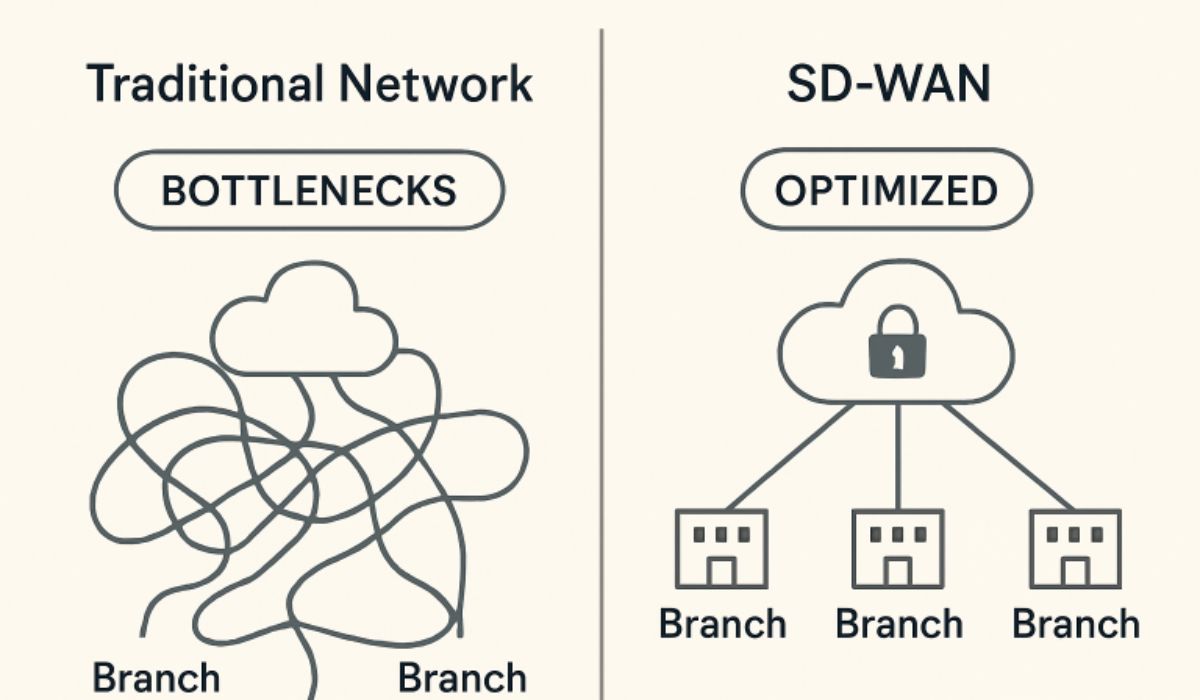
Enterprise networks face unprecedented pressure as remote work, cloud applications, and digital transformation initiatives proliferate. The massive shift to cloud-based solutions has placed even greater demands on enterprise connectivity, prompting organizations to reassess the adequacy of their legacy infrastructure. Relying on outdated WAN setups, especially those heavily dependent on expensive MPLS circuits, can result in rising operational costs and leave enterprises vulnerable to rapidly shifting connectivity and security needs. Network bottlenecks and performance drops can significantly impact worker productivity and customer experiences, resulting in operational setbacks and unfavorable business outcomes. For organizations seeking modern solutions, it’s time to learn how secure SD-WAN can enhance performance and alleviate common network strain while ensuring future scalability.
Traditional WANs often lack the flexibility to efficiently route cloud and branch traffic, resulting in inefficiencies, slower application responsiveness, and challenges in safeguarding data as network perimeters blur with the adoption of SaaS and hybrid work strategies. This structural rigidity has compelled many IT teams to implement complex and resource-intensive manual configurations to maintain core business functions online. Rising user expectations, global business expansion, and a relentless push for real-time access to applications expose the limitations of traditional WAN architectures, making it clear why organizations need to rethink their networking strategies and adopt more intelligent, automated solutions.
SD-WAN: A Game-Changer for Network Management
SD-WAN technology enhances enterprise networking by separating the network control plane from the data plane, allowing for centralized management across distributed environments. It enables enterprises to utilize various connectivity options, such as broadband, LTE, and MPLS, optimizing data paths in real-time for improved reliability and rapid failover during outages or congestion. This technology is crucial for digital businesses operating with hybrid and multi-cloud architectures, ensuring mission-critical applications receive prioritized bandwidth as network conditions evolve. A centralized dashboard provides real-time visibility into performance metrics, facilitates automated failover, and simplifies policy management across multiple sites, resulting in a more proactive IT approach and enhanced security in large, distributed networks.
Key Benefits of Implementing SD-WAN
Leveraging affordable broadband in tandem with traditional circuits significantly enhances cost efficiency, allowing global enterprises to adopt hybrid connectivity models. By replacing or supplementing expensive MPLS links with internet-based solutions, businesses can reallocate savings to other IT priorities and quickly scale network capacity as needed. Enhanced performance is achieved through smart traffic steering that aligns with real-time network conditions, reducing latency and packet loss, thereby ensuring that mission-critical applications remain accessible and operable, and guaranteeing an excellent user experience across branches. Modern SD-WAN platforms incorporate advanced security features, such as encrypted tunnels, segmentation, policy-driven access control, and integrated threat detection, allowing organizations to achieve robust data protection without sacrificing usability, including at remote or branch sites. The inherent scalability and flexibility of SD-WAN facilitate the rapid deployment of new sites and bandwidth adjustment, crucial for dynamic businesses, all without the need for significant infrastructure changes, and supporting seamless growth and adaptation to evolving business demands.
Real-World Impact: Case Studies
A global retail chain implemented SD-WAN across hundreds of geographically dispersed locations, achieving a streamlined digital experience for both employees and customers. Not only did bandwidth costs drop by half, freeing up budget for additional technology investments, but customers experienced dramatically faster transaction times, and IT operations gained much-needed visibility and control over every network connection. The result was a more resilient and responsive organization, with fewer outages and improved business continuity across all sites. Another notable example is a healthcare provider that adopted SD-WAN to replace its legacy VPN and MPLS, resulting in improved uptime, simplified compliance with healthcare data regulations, and a significant reduction in support tickets due to centralized, policy-based management.
Integrating SD-WAN with Emerging Technologies
As businesses increasingly adopt distributed technologies such as edge computing, sensor-driven IoT deployments, and AI-powered platforms, the need to optimize data flows between edge sites, branch offices, and core systems becomes even more crucial. SD-WAN’s adaptable virtual fabric ensures high-throughput, low-latency communication for a wide range of smart devices and sophisticated analytics workloads running both at the edge and in the cloud. This adaptability is essential for supporting mission-critical use cases in industries like manufacturing, logistics, and smart cities, where even a few milliseconds of delay can disrupt automation, remote monitoring, or intervention processes.
Challenges and Considerations
Despite its significant advantages, transitioning to SD-WAN presents challenges. Organizations with intricate, multi-vendor legacy networks may require upgrades or replacements to support SD-WAN capabilities fully. Integrating with older systems or proprietary branch solutions may necessitate careful planning and pilot testing to prevent unforeseen security gaps. Additionally, IT teams must be prepared to manage evolving threat landscapes, ensure consistent policy enforcement, and handle software updates as SD-WAN solutions become more widely adopted and sophisticated. Investing in comprehensive staff training and partnering with vendors that offer robust support, continuous education, and precise documentation is recommended to ensure a successful and frictionless rollout and management process.
Future Outlook
The evolution of SD-WAN is far from over. Innovations in artificial intelligence and machine learning are poised to streamline network orchestration further, automate threat detection, and drive self-healing network capabilities. Enhanced zero-trust security frameworks are expected to elevate the standards for data protection further. Enterprises investing in SD-WAN today lay the groundwork to rapidly capitalize on the next generation of networking advances—a necessary step as digital transformation accelerates worldwide. The increasing adoption of cloud-native applications, the prevalence of mobile workforces, and the proliferation of distributed IoT ecosystems underscore the importance of establishing flexible, secure, and easily managed network architectures. SD-WAN positions organizations to innovate confidently and respond fluidly to technological disruption in any sector.
In summary, SD-WAN has emerged as a foundational technology for future-ready enterprises. By overcoming the rigidity of traditional WANs and empowering IT with flexibility, visibility, and control, SD-WAN enables secure, scalable growth and resilient performance in today’s rapidly evolving digital landscape. Enterprises that prioritize SD-WAN adoption are better positioned for seamless digital transformation and are more likely to stay ahead of both technological advances and emerging business demands.
YOU MAY ALSO LIKE: How Cloud Services Are Reshaping Modern Business Operations
Business
Virginia Beach, VA: A Comprehensive Guide to the Housing Market and Community Features
Virginia Beach, VA, offers a unique blend of coastal charm and urban convenience, making it an attractive destination for homebuyers. Understanding the local market trends and community features is essential for making informed decisions. For personalized assistance in navigating this dynamic market, consider consulting with Virginia Beach VA real estate agent Reamie Joy Tabin. With over 20 years of experience in luxury sales and marketing, Reamie brings a bespoke touch and global reach to her clients. Her deep local connections and international expertise make her a trusted guide in the Virginia Beach real estate landscape.
Market Overview
As of March 2026, the median sale price of homes in Virginia Beach was $413,000, reflecting a 5.9% increase from the previous year. Homes typically sell after 26 days on the market, indicating a competitive environment. The median sale price per square foot stands at $248, up 4.6% year-over-year.
Inventory levels remain stable, but demand continues to outpace supply, driven by relocations, a thriving local economy, and military presence from nearby Naval Air Station Oceana and other bases. This steady influx of new residents drives consistent demand for both single-family homes and condos.
Mortgage rates have remained relatively steady, and many buyers are seeking pre-approval to gain negotiating power. In this market, buyers may encounter multiple-offer situations, particularly in sought-after neighborhoods near the oceanfront or those with quick access to key city amenities.
Neighborhood Insights
Virginia Beach features diverse neighborhoods, each with unique living options.
- Courthouse-Sandbridge has a median listing price of $592,450 with 160 properties,
- Oceanfront at $687,000 with 132 properties,
- Kempsville at $414,500 with 119 properties, and
- Holland is at $350,000 with 106 properties.
These variations suit different budgets and lifestyles.
Families prefer neighborhoods like Great Neck and Little Neck for top schools and suburban charm. For a lively scene, Town Center offers high-rise condos, dining, and entertainment. Sandbridge attracts buyers seeking vacation homes or investment properties in a peaceful beach setting. Urban living is vibrant in Oceanfront, with access to the boardwalk and events.
Community Features
Virginia Beach offers a variety of community features that enhance its appeal:
- Schools: The city boasts a range of educational institutions, contributing to its family-friendly environment.
- Climate: Residents enjoy a temperate climate with mild winters and warm summers, ideal for outdoor activities.
- Transportation: The area offers accessible transportation options, including major highways and public transit, making commuting easy.
Parks and recreational facilities are abundant, providing residents with ample opportunities for hiking, biking, and water sports. First Landing State Park, Mount Trashmore, and the Virginia Beach Boardwalk are favorites among locals and visitors alike. Community centers throughout the city offer programs for youth, adults, and seniors, helping foster a sense of belonging and engagement.
Tips for Prospective Buyers
When considering purchasing a home in Virginia Beach, keep the following in mind:
- Research neighborhood amenities and property values to find a location that suits your lifestyle and budget.
- Stay informed about market trends to make competitive offers.
- Consider working with a local real estate expert to navigate the complexities of the Virginia Beach housing market.
Getting pre-approved for a mortgage is highly recommended, since it strengthens your position, especially given the level of competition in desirable neighborhoods. Additionally, factor in local flood zone regulations due to the city’s coastal proximity, as some properties may require additional flood insurance or meet elevation requirements.
If you are relocating for work or as part of a military transfer, check with relocation experts or tap into local military-friendly real estate programs that can help smooth your transition.
Life in Virginia Beach
Virginia Beach is known for its high quality of life, not just its real estate market. Residents enjoy over 28 miles of beaches, popular festivals like the Neptune and American Music Festivals, and a seafood-focused culinary scene. With 213 sunny days annually, outdoor activities like surfing, paddleboarding, kayaking, and fishing are common. The city boasts a vibrant arts scene, including the Virginia Museum of Contemporary Art and numerous venues. Shopping ranges from Hilltop boutiques to Lynnhaven Mall. Family attractions include the Virginia Aquarium & Marine Science Center and Ocean Breeze Waterpark. Community is strengthened through annual events, farmers’ markets, concerts, and charity gatherings, fostering a relaxed, coastal vibe alongside economic growth and public investments.
Trending Developments and Future Outlook
Recent years have seen an increase in mixed-use developments in Town Center and Oceanfront, including residential units, commercial spaces, and amenities appealing to young professionals and retirees. Infrastructure projects like road upgrades and stormwater improvements address growth and climate concerns. Experts predict continued demand for Virginia Beach real estate, driven by remote workers seeking a coastal lifestyle. Investments in green spaces and beachfront protection demonstrate the city’s commitment to sustainability, helping Virginia Beach remain a top destination for homeowners and investors.
Selling in Virginia Beach: What to Know
Virginia Beach homeowners considering selling can benefit from a strong market. Well-presented homes in popular districts or near the beach fetch top prices. Sellers should stage well, use professional photos, and market effectively online and offline. Hiring an experienced agent can boost returns and streamline the process from pricing to closing. Requesting a personalized market analysis helps understand your home’s value and prepare for sale. Virginia Beach’s steady demand and growth mean well-maintained, competitively priced homes attract buyer interest.
Conclusion
Virginia Beach, VA, offers a vibrant, diverse housing market with options to suit a range of preferences and budgets. By understanding local market trends and community features, prospective buyers can make informed decisions to find their ideal home in this coastal city.
Business
Enhancing Industrial Efficiency Through Analytical Systems Integration
Key Takeaways:
- Analytical systems are essential for improving efficiency and product quality in industrial operations.
- Integrating advanced analytics leads to significant enhancements in uptime and energy optimization.
- Companies like Tess-Com Inc. offer expertise in analytical systems integration, providing customized solutions for various industries.
The Role of Analytical Systems in Modern Industry
In today’s rapidly evolving industrial landscape, the integration of analytical systems has become a cornerstone for operational excellence. These systems enable real-time monitoring and control, allowing industries to make informed decisions that enhance productivity and product quality. By implementing analytical systems integration, companies can streamline processes, reduce downtime, and ensure compliance with environmental regulations. Tess-Com Inc., a leader in this field, specializes in providing comprehensive solutions tailored to meet the unique needs of various industries. Their expertise encompasses the design, fabrication, and maintenance of process analyzer systems, ensuring optimal performance and reliability.
One of the most important factors driving the adoption of analytical systems is the growing focus on economic efficiency and sustainability. Today’s manufacturers must navigate increasingly stringent regulatory requirements and volatile market conditions. Analytical systems provide the data-driven foundation necessary for resilience and agility, equipping organizations with clear insights into operational performance and offering tools for continuous improvement. As sensor technology and industrial Internet of Things (IIoT) devices become more advanced, the power and reach of analytical systems grow exponentially, opening new avenues for process optimization and predictive maintenance.
Benefits of Advanced Analytics Integration
Implementing advanced analytics in industrial operations offers several advantages:
- Improved Product Quality: Manufacturers have achieved up to 100% first-pass yield, significantly reducing scrap and rework.
- Increased Uptime: Deployment has led to a 12% rise in equipment uptime, improving overall production efficiency.
- Energy Optimization: Clients report an average 4% reduction in energy consumption, supporting both cost reduction and sustainability goals.
Advanced analytics can go beyond basic process monitoring to support true process optimization. By making sense of complex and high-volume datasets generated throughout the value chain, industries can identify inefficiencies and seize opportunities at both the operational and strategic levels. The ability to accurately forecast maintenance needs, preempt equipment failures, and optimize production schedules directly translates to cost savings, higher throughput, and minimized environmental impact.
Moreover, with integrated analytics platforms, companies can collect and analyze data from diverse sources, including sensors, manufacturing execution systems (MES), and enterprise resource planning (ERP) software, in a unified framework. This integration provides a comprehensive view of operations, supporting cross-functional collaboration and organizational alignment on quality and performance objectives.
Case Study: AVEVA’s Advanced Analytics Deployment
AVEVA, a global leader in industrial software, successfully deployed its Advanced Analytics solution across multiple enterprises in the manufacturing and consumer goods sectors. These implementations have delivered measurable improvements in operational efficiency, product quality, and energy usage, underscoring the value of AI-powered analytics in driving smart, sustainable industry.
For example, a global FMCG manufacturer using AVEVA’s analytics reduced unplanned downtime by implementing predictive modeling and early warning systems. By acting on insights in real time, the company shifted from a reactive to a proactive approach to asset management, realizing millions in cost savings and minimizing production disruptions. Similar use cases across food and beverage, chemicals, and pharmaceuticals highlight how analytics-driven transformation drives long-term business value and customer satisfaction.
Challenges in Analytical Systems Integration
Despite the clear benefits, integrating analytical systems presents challenges such as data silos, compatibility issues, and the need for specialized expertise. Overcoming these obstacles requires a strategic approach and collaboration with experienced partners.
One significant challenge is legacy infrastructure. Many organizations have a patchwork of older systems that struggle to communicate effectively with modern digital solutions. Integrators must design interfaces and middleware to bridge these gaps, ensuring seamless data flow across the enterprise. Another challenge is data quality—ensuring the accuracy, completeness, and timeliness of data is fundamental for generating actionable insights. Change management also plays a crucial role, as personnel may need training to interpret analytical outputs and adjust workflows accordingly. Addressing these challenges demands a holistic approach, combining technical know-how with strong project management and stakeholder engagement.

Partnering with Experts for Seamless Integration
Collaborating with experts like Tess-Com Inc. can streamline the integration process. With over 40 years of industry experience, Tess-Com Inc. specializes in analytical systems integration, offering tailored solutions that address industry-specific needs. Their comprehensive services include design, fabrication, compliance, and maintenance, ensuring that analytical systems are implemented effectively to maximize the benefits of advanced analytics.
Expert partners bring not only deep technical capabilities, but also industry-specific knowledge of best practices and regulatory standards. By leveraging the experience of seasoned professionals, companies avoid costly missteps and accelerate time-to-value for their investments in analytical systems. Additionally, trusted integrators deliver ongoing support, helping organizations adapt solutions over time to meet evolving business goals and regulatory landscapes. This partnership approach is essential for companies looking to stay competitive amid technological change and market uncertainty.
Future Trends in Industrial Analytics
The future of industrial analytics is poised for significant advancements, with trends focusing on enhanced interoperability, real-time data processing, and the integration of artificial intelligence. These developments aim to further optimize operations and drive innovation across various sectors.
One emerging trend is the rise of edge computing, which enables real-time analytics and decision-making close to the source of data generation. This ensures that critical insights can be acted upon immediately, minimizing latency and maximizing operational responsiveness. Another important trend is the use of AI and machine learning algorithms for prescriptive analytics, moving beyond simply describing or predicting outcomes to recommending specific actions for improvement. Furthermore, the growing emphasis on cybersecurity is shaping the design and deployment of analytical systems, as industrial organizations must protect sensitive process and operational data from evermore sophisticated threats.
As sustainability becomes a defining priority for industries worldwide, expect to see the expansion of analytics applications that support environmental stewardship. This includes monitoring emissions, tracking resource utilization, and optimizing supply chains for minimal environmental impact. The continued convergence of analytics, artificial intelligence, and industrial IoT will unlock powerful new capabilities, transforming how companies operate, innovate, and compete.
Conclusion
Integrating advanced analytical systems is essential for industries aiming to enhance efficiency, product quality, and sustainability. By partnering with experienced providers like Tess-Com Inc., companies can navigate the complexities of integration and fully realize the benefits of modern analytics.
Ultimately, the successful deployment of advanced analytics leads to a smarter, more agile industrial enterprise, one that can anticipate challenges, respond rapidly to change, and deliver consistent value in an increasingly complex world. As technology continues to evolve, companies that invest in robust analytical capabilities will be well-positioned to lead the way in operational excellence and sustainable growth.
Business
Keep Your Business Safe With Strong Door Glass Replacement
Security often reveals itself in the smallest details. A commercial door may look solid at first glance, yet the glass within it can determine how well a business is protected, how it operates daily, and how it presents itself to the public. Choosing the right commercial door glass replacement is not just about fixing damage—it is about upgrading safety, performance, and confidence at every entry point.
Reinforced Safety Glass That Protects Without Compromising Visibility
Modern commercial door glass replacement introduces materials designed to withstand impact while maintaining clarity. Tempered and laminated glass options provide strength that standard panes cannot match, reducing the risk of shattering under stress.
Businesses benefit from maintaining clear visibility while improving security. Commercial glass replacement using reinforced materials ensures that doors remain both functional and protective. Many searching for commercial glass replacement near me prioritize these upgrades because they provide peace of mind without sacrificing the open, welcoming look that storefronts require.
Laminated Glass Systems That Hold Together Under Pressure
Laminated glass offers a unique advantage in commercial settings. Even when damaged, it remains intact due to an internal layer that holds fragments together. This reduces hazards and prevents easy access through breakage.
Commercial door glass replacement with laminated systems is particularly valuable in high-traffic or high-risk environments. It provides an added layer of defense while maintaining durability over time. When combined with broader commercial glass replacement strategies, this upgrade strengthens the entire entry system, making it more resilient against both accidental and intentional damage.
Energy-Efficient Door Glass That Supports Year-Round Comfort
Glass doors are often overlooked when considering energy efficiency, yet they play a significant role in regulating indoor conditions. Poor-quality glass can allow heat transfer, increasing energy costs and creating uncomfortable environments.
Commercial glass replacement that includes energy-efficient glazing helps maintain stable temperatures. Businesses investing in commercial window installation and door upgrades often see improved comfort and reduced utility expenses. This type of commercial door glass replacement supports both operational efficiency and sustainability, making it a practical long-term solution.
Impact-Resistant Options Built for High-Traffic Environments
Commercial entryways experience constant use, making durability essential. Impact-resistant glass is designed to handle frequent contact, environmental stress, and unexpected force without failing.
Commercial door glass replacement using these materials ensures that doors remain reliable under daily demands. Businesses that prioritize durability reduce the likelihood of frequent repairs. Commercial window replacement projects often complement these upgrades, creating a cohesive system that performs consistently across all glass components.
Clear Glass That Enhances Security Through Visibility
Visibility plays an important role in security. Clear glass allows employees and customers to see what is happening outside, reducing blind spots and improving awareness. This transparency can deter potential threats while creating a more open environment.
Commercial glass replacement that prioritizes clarity ensures that visibility is not compromised. When paired with commercial window installation, this approach creates a unified design that enhances both safety and aesthetics. Businesses searching for commercial glass replacement near me often value this balance between openness and protection.
Custom Door Glass Designs That Strengthen Brand Presence
Door glass is not just functional—it contributes to the overall identity of a business. Custom designs, including etched patterns or frosted finishes, allow businesses to create a distinctive appearance while maintaining privacy where needed.
Commercial door glass replacement offers flexibility in design without sacrificing durability. When integrated with commercial window replacement, these custom elements create a cohesive visual experience. This approach allows businesses to reinforce their brand while ensuring that every component of the storefront remains practical and secure.
Professional Installation That Ensures Long-Term Reliability
Even the strongest glass will underperform if it is not installed correctly. Precision is critical in ensuring that door glass aligns properly, seals effectively, and functions as intended over time.
Commercial door glass replacement requires expertise that goes beyond basic fitting. Professionals understand how to account for structural factors, environmental conditions, and usage patterns. Businesses investing in commercial glass replacement benefit from installations that deliver consistent performance. Pairing these upgrades with commercial window installation ensures that the entire system operates as a unified, reliable structure.
Strong door glass is more than a protective barrier—it is a key component of how a business operates and presents itself. For those considering commercial glass replacement, North Alabama Glass provides expertise in commercial door glass replacement, commercial window installation, and commercial window replacement. Their approach ensures that businesses receive solutions designed for safety, efficiency, and long-term performance.
-
Home Improvement1 year agoEasy Ways to Clean and Maintain Your Foam Play Mat
-
Celebrity2 years agoWho Is Andrew Santino Wife? The Full Story
-
Tech1 year agoExplore iZoneMedia360 .Com Features & Benefits
-
Entertainment1 year agoRemembering Melanie Olmstead Yellowstone’s Unsung Hero
-
Uncategorized2 years agoPrairie Dog Guide: Habitat, Behavior, and Conservation
-
Celebrity2 years agoA Deep Dive into Jeremy Allen White Movies and TV Shows
-
Business1 year agoHow Influencersginewuld Shapes the Future of Branding
-
Apps & Games1 year agoThe Pizza Edition Games: A Perfect Slice of Fun and Flavor
