Table of Contents
- Scalability and Flexibility
- Cost Efficiency
- Enhanced Collaboration
- Data Security and Compliance
- Disaster Recovery
- Innovation and Competitive Edge
- Challenges and Considerations
- Conclusion
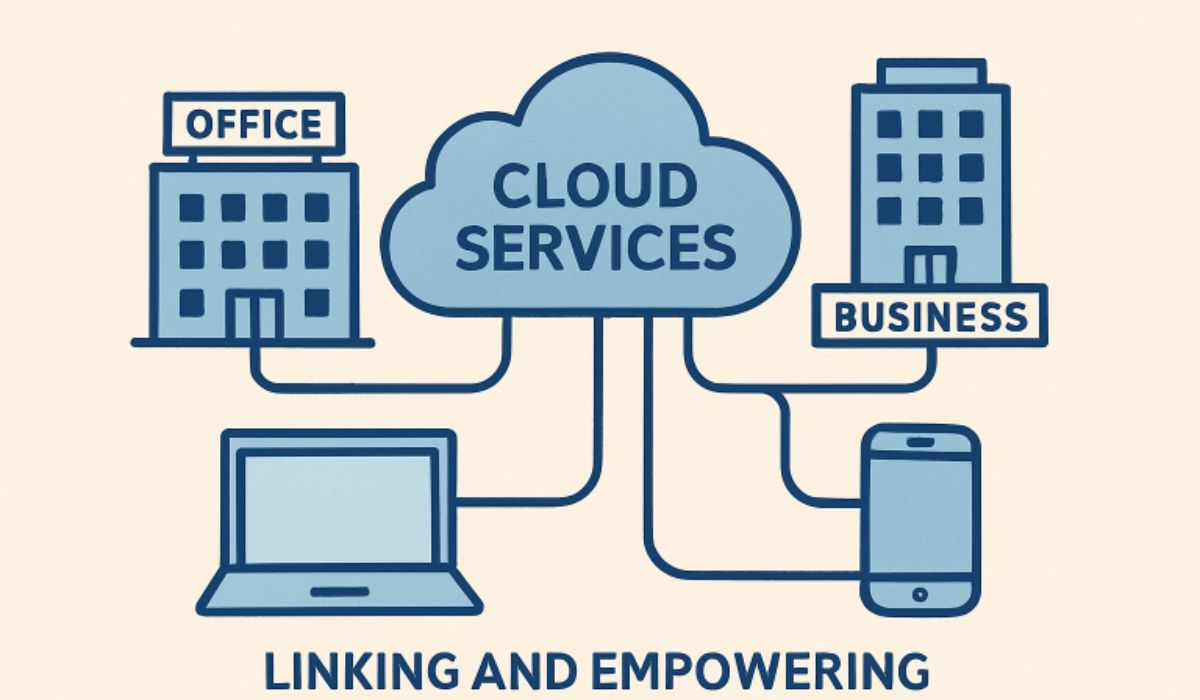
Modern businesses face mounting pressure to evolve and adapt in a digital economy shaped by rapid technological advancements. Central to this transformation is cloud computing, a technology that delivers flexibility, scalability, and a new approach to IT infrastructure, enabling organizations to remain agile and competitive. Early adopters and forward-thinking companies, such as CIO Solutions, have demonstrated how leveraging cloud services can yield powerful results—even in highly regulated and growth-focused industries.
As cloud platforms become more robust, the very foundation of how companies operate, collaborate, and secure their data is undergoing a shift. Understanding the strategic advantages—and challenges—that come with cloud adoption is increasingly essential for both business leaders and IT professionals.
Scalability and Flexibility
One of the primary benefits of cloud services is the inherent flexibility and scalability they offer to organizations of any size. Unlike traditional on-premises infrastructure, cloud platforms enable companies to scale resources up or down rapidly according to current demand. This elasticity means businesses only pay for what they use, and can easily respond to sudden changes—such as surges in web traffic during seasonal spikes, or the need to support remote work policies in times of crisis.
For example, e-commerce businesses can quickly increase computing resources during Black Friday sales, then scale back afterward to conserve costs. The on-demand nature of the cloud enables companies to stay both nimble and resilient.
Cost Efficiency
Traditional IT models require significant capital outlay for servers, hardware upgrades, and maintenance. In contrast, cloud computing enables a pay-as-you-go approach, turning hefty capital expenses into manageable operational costs. The predictability of cloud subscription pricing allows organizations to plan IT budgets with confidence, while reducing the costs associated with downtime or underutilized hardware.
This shift in spending helps direct resources toward innovation, talent acquisition, or other strategic initiatives that help drive business growth.
Enhanced Collaboration
Cloud-based platforms are revolutionizing team collaboration, making it easier for employees to work together regardless of their physical location. Unified Communications as a Service (UCaaS) integrates tools such as video conferencing, messaging, and document sharing into a seamless experience. As mobility influences workplace habits—with over half of knowledge workers relying on mobile devices—integrated platforms become essential for maintaining productivity and keeping teams connected.
Industries such as healthcare, logistics, and education are increasingly relying on these collaborative environments not only to facilitate real-time communication but also to streamline operational workflows and enhance client outcomes.
READ ALSO: How Cloud Services Drive Efficiency in Modern Organizations
Data Security and Compliance
Cloud providers invest heavily in cutting-edge security technologies, often exceeding the resources available to most individual companies. Encryption, multi-factor authentication, and advanced threat monitoring services help safeguard sensitive data. However, regulatory requirements—such as GDPR, HIPAA, and others—necessitate that organizations maintain strict control over how data is accessed, processed, and stored in the cloud.
Businesses must partner closely with cloud vendors to ensure compliance, conduct regular audits, and implement robust internal controls to mitigate risks and fulfill their legal obligations.
Disaster Recovery
Cloud services help fortify business continuity by offering reliable disaster recovery solutions. Critical data, applications, and configurations can be backed up in secure, geographically dispersed data centers, ensuring organizations can quickly restore operations after an unexpected disruption. Whether facing cyberattacks, natural disasters, or hardware failures, cloud-based disaster recovery plans minimize both downtime and data loss, preserving revenue and reputation.
Innovation and Competitive Edge
Cloud adoption provides access to cutting-edge technologies, including artificial intelligence (AI), machine learning (ML), and data analytics, which empower companies to innovate and make data-driven decisions. These tools facilitate rapid prototyping, speed up development cycles, and enable businesses to release products and services faster than ever.
By streamlining IT management through automation and intelligent monitoring, businesses unlock new value, responding more quickly to evolving market demands and maintaining a competitive edge.
Challenges and Considerations
Migrating to the cloud presents unique challenges, including potential vendor lock-in, where dependence on a single cloud provider can reduce flexibility and negotiating power. Additionally, navigating complex multi-cloud deployments requires skilled personnel and specialized tools for effective cost management, seamless interoperability, and comprehensive security monitoring.
Companies must carefully evaluate contractual terms, data migration strategies, and ongoing resource requirements. Cultivating cloud expertise—whether through hiring or upskilling existing staff—is essential to maximize the return on cloud investments.
Conclusion
Cloud services are fundamentally transforming how businesses operate, from scaling effortlessly and lowering costs to driving collaboration and fostering innovation. While cloud computing provides significant advantages, ongoing diligence is necessary to address associated challenges such as security, compliance, and vendor relationships. By developing a robust cloud strategy and leveraging expert partners, organizations are well-positioned to thrive in the dynamic digital landscape of tomorrow.
YOU MAY ALS0 LIKE: How Modern Office Printing Technology Saves Time and Money