
Law
Crackstreams 2.0: The Risky Stream You’re Searching For

Suppose settling in for the big fight night or the championship game, your snacks ready, only to find your usual streaming service is blacked out in your area. In a moment of frustration, you type a familiar name into a search engine: Crackstreams 2.0. The promise is tempting—free, high-quality access to the premium sports and PPV events you crave. But what’s the real cost of that “free” stream?
The digital landscape is littered with these unofficial portals, and their evolution into versions like “2.0” makes them seem more robust and permanent. However, the flashy interface often masks a dangerous reality. Let’s explore what Crackstreams 2.0 truly represents and why clicking that link might be a gamble you don’t want to take.
What Exactly Is Crackstreams 2.0?
Let’s be real: Crackstreams 2.0 isn’t a licensed or legal streaming service. It’s the latest iteration in a long line of illicit websites that illegally broadcast live sports, pay-per-view (PPV) events, and premium TV channels without paying distribution fees to the leagues or broadcasters.
Think of it like a bootleg DVD seller from the old days, but now operating on a global, digital scale. These sites don’t have the rights to show the content, plain and simple. They often pop up under slightly altered names (like adding “2.0” or “alternative”) to evade shutdowns and domain seizures by authorities. Consequently, their entire existence is a game of cat and mouse, leading to an incredibly unstable and risky user experience.
The Unseen Risks of Using Pirated Streams
The allure of free content is powerful, but it’s crucial to understand what you’re potentially sacrificing for that “savings.” The risks extend far beyond just a suddenly frozen screen in the middle of overtime.
1. The Digital Danger Zone: Malware and Phishing
These websites are funded by aggressive, and often malicious, advertising. We’re not talking about simple banner ads.
- Malware: Clicking the wrong pop-up can trigger a drive-by download, installing viruses, ransomware, or spyware onto your device without your knowledge.
- Phishing: Some pop-ups are cleverly designed to look like system alerts, tricking you into entering your personal or even financial information.
2. The Legal Gray Area (That’s Not Really Gray)
While users are less frequently targeted than the site operators themselves, streaming copyrighted content is illegal in most countries, including the United States under the Digital Millennium Copyright Act (DMCA). Your ISP (Internet Service Provider) can monitor this activity and may send warning letters, throttle your internet speed, or in severe cases, suspend your service.
3. The Frustration of Unreliability
There’s nothing more frustrating than your stream buffering during a game-winning drive. These sites are notoriously unreliable. Expect:
- Constant buffering and sudden drops in video quality.
- Streams being taken down mid-event.
- An endless battle with intrusive pop-up and pop-under ads.
4. The Ethical Impact on Sports
Finally, there’s the ethical component. The massive broadcasting fees paid by legitimate networks (like ESPN, Fox, or DAZN) are a primary source of revenue for sports leagues. This money trickles down, funding athlete salaries, venue upkeep, and grassroots development. By using illegal streams, you’re ultimately diverting resources away from the very sports you love.
Safer, Legal Alternatives to Crackstreams 2.0
The good news is that you don’t have to choose between your wallet and watching the game. The legal streaming market has exploded with options that are more affordable and flexible than traditional cable.
Here’s a quick comparison of some popular legal avenues:
| Service | Best For | Pricing Model | Notable Features |
| YouTube TV | The cable-cutter who wants it all. | Monthly Subscription | Extensive channel lineup, unlimited cloud DVR. |
| Sling TV | The budget-conscious fan. | Monthly Subscription | Lower-cost Orange & Blue packages with sports focus. |
| ESPN+ | The die-hard sports enthusiast. | Monthly/Yearly Subscription | Exclusive UFC fights, MLS, NHL, and original content. |
| FuboTV | The sports fanatic who loves international leagues. | Monthly Subscription | Strong focus on sports, including niche channels. |
| League-Specific Apps (e.g., NBA League Pass, NFL Sunday Ticket) | The fan of one specific sport. | Season Pass / Subscription | Every out-of-market game for that league. |
Actionable Takeaways for Smarter Streaming Today
You have the power to enjoy your favorite events without the stress and risk. Here are three things you can do right now:
- Audit Your Subscriptions: You might already have access to more than you think through a family member’s plan or a bundled service. Check what’s available on apps you already pay for, like Amazon Prime or Hulu.
- Embrace Free Trials: Most legal streaming services offer a 5-7 day free trial. Plan these around a big event you want to watch. Just remember to cancel if you don’t intend to keep it!
- Go In With Friends: The cost of a premium streaming service becomes much more palatable when split between two or three friends, much like you might have split a cable bill in the past.
The digital world offers incredible convenience, but it also requires a bit of street smarts. Choosing a legitimate path for your entertainment isn’t just about following the rules—it’s about protecting yourself and supporting the creators of the content that brings you joy.
What’s your go-to legal service for catching the big game? Share your favorite in the comments below!
FAQs
Q1: Is it safe to use a VPN with sites like Crackstreams 2.0?
While a VPN can mask your IP address from your ISP, it does not make the act of streaming copyrighted content legal. Furthermore, it does not protect you from the malware and phishing risks inherent on these shady websites.
Q2: Why does my ISP care if I watch a free stream?
ISPs are legally obligated to enforce copyright laws under regulations like the DMCA. They monitor for illegal downloading and streaming activity and can take action against accounts repeatedly flagged for infringement.
Q3: What’s the difference between Crackstreams and a paid streaming service?
Paid services (YouTube TV, ESPN+, etc.) have legal contracts and pay enormous fees to leagues for the right to broadcast their content. Crackstreams does none of this; it simply pirates the signal, which is theft of intellectual property.
Q4: Can I get in legal trouble for just watching, not distributing?
While most legal action targets the operators of these sites, users are not immune. The primary risk for viewers is receiving warning notices from their ISP, which can escalate to service throttling or termination.
Q5: Are there any truly free and legal sports streaming options?
Yes, but they are limited. Some services offer free, ad-supported channels (like The Roku Channel) that may show older games or less popular sports. Major network channels like CBS, NBC, or Fox sometimes stream big events for free on their websites with a cable provider login. Reddit also often has threads pointing to these official, free streams.
Q6: Why did my favorite illegal streaming site keep changing domains?
This is a common tactic to avoid being shut down by law enforcement and copyright holders. As soon as one domain is seized, they launch another with a slight name variation (e.g., Crackstreams, Crackstreams 2, Crackstreams io) to stay one step ahead.
Q7: What should I do if I accidentally clicked on a suspicious pop-up?
Immediately run a full antivirus and anti-malware scan on your device. If you entered any personal information, monitor your accounts closely for suspicious activity and consider changing your passwords.
You may also like: The Great Streaming Escape: Are Methatreams the Fan-Fueled Future?

Traffic safety regulations and standards are often shaped not only by technological advances and public policy but also by the outcomes of legal actions. Lawsuits involving vehicle accidents, particularly those resulting in significant injuries or fatalities, can highlight weaknesses in existing safety protocols and prompt regulatory changes. Courts may require manufacturers, transportation companies, or governmental bodies to address identified risks, thereby influencing the design of vehicles, road infrastructure, and driver training programs. Over time, these legal precedents create a framework that prioritizes safety, encouraging more stringent standards and preventive measures across the industry.
Beyond shaping regulations, lawsuits also affect the way insurance claims and disputes are handled. For example, an insurance dispute lawyer Atlanta might work with clients to resolve conflicts arising from accidents, ensuring that responsibility and liability are fairly assessed. By holding parties accountable through legal channels, these cases emphasize the importance of compliance with safety requirements and proactive risk management. Ultimately, the interplay between litigation, regulatory oversight, and insurance considerations contributes to safer driving environments for everyone.
Rideshare Safety Under Scrutiny
Rideshare services have dramatically changed transportation, but this innovation brings its own set of risks. Recent carjackings and assaults targeting Uber and Lyft drivers have shone a harsh spotlight on gaps in driver safety protections. Lawsuits filed by affected drivers claim that rideshare companies have not done enough to offer robust security measures, such as thorough background checks on passengers or emergency alert options for drivers. According to legal experts, courts are increasingly expecting these platforms to step up and implement comprehensive safety solutions for their workforce.
Trucking Industry and Safety Technology
Modern technology is reshaping the trucking landscape. Companies are deploying advanced telematics, collision-avoidance systems, and real-time driver monitoring to prevent accidents. Yet, this wealth of data is a double-edged sword. In litigation, prosecutors may use this very information to argue that a company was aware of risks in advance but failed to act adequately, making it easier to prove negligence even if basic compliance was met. This paradox means that fleet operators must not only install safety systems but also consistently act on the insights these technologies provide.
Autonomous Vehicles and Regulatory Challenges
As self-driving cars edge closer to mainstream adoption, they expose shortcomings in regulations originally drafted for human drivers. The NHTSA recognizes that adaptations are necessary to ensure legal standards align with the unique risks and opportunities of autonomous vehicles. Reports highlight that lawsuits involving self-driving systems have prompted accelerated government action to modernize safety testing and compliance frameworks, a change that will benefit both consumers and manufacturers.
Auto-Defect Litigation Holding Manufacturers Accountable
Throughout automotive history, lawsuits over defective vehicles have yielded substantial public benefit. Class actions and individual claims targeting faulty airbags, collapsing seats, or unstable frames have forced global recalls and the redesign of safety-critical components. Manufacturers face not only financial penalties but also the obligation to improve product safety, often leading to industry-wide best practices. Litigation continues to serve as an indispensable tool for whistleblowing, corporate corner-cutting, and ensuring corrective action.
State Laws Impacting Lawsuits Against Trucking Companies
Several states have introduced laws making it harder for victims to sue trucking companies post-crash, typically by narrowing grounds for claims or capping damages. This shift, often driven by strong industry lobbying, might reduce the number of frivolous lawsuits but can also erode carriers’ incentives to proactively invest in safer operations. Critics warn that these laws risk leaving some accident victims undercompensated while lowering the deterrence effect that legal accountability has historically provided.
High-Profile Lawsuits Influencing Public Safety Standards
Landmark cases can have effects that extend far beyond individual victims. Large settlements or jury awards put industry giants on notice and inspire both regulators and competitors to adopt higher safety standards. The resulting regulatory changes often spark broader adoption of life-saving innovations, from seatbelt requirements to rear-view cameras and crash avoidance software, transforming risky practices into new safety norms for all road users.
Conclusion
Lawsuits play a crucial role in advancing traffic safety. They uncover shortcomings, hold negligent parties to account, and drive vital reforms in both technology and policy. As transportation networks become more sophisticated and complex, continuous pressure through legal action ensures ongoing vigilance and innovation, benefiting everyone who travels on today’s roads.
Assault charges are among the most serious allegations an individual can face in the criminal justice system. The potential consequences go far beyond a short stint in jail or a temporary fine—a conviction can affect your employment prospects, relationships, reputation in the community, and even your rights for years to come. In some cases, an assault conviction can severely hamper your ability to secure housing or participate in certain professions. Given these lifelong ramifications, mounting a thorough defense is of utmost importance. Understanding the possible legal defenses available is the foundation for an effective strategy. If you’re currently navigating the legal complexities of an assault case, consulting with experienced legal professionals at martinlawfirmpc can be crucial to protecting your rights from the outset and ensuring you make informed decisions every step of the way.
In the legal realm, not all assault accusations are straightforward. Various circumstances may render actions non-criminal or justifiable. Key defenses against assault accusations include self-defense and alibis, and understanding these options is crucial for effectively navigating such charges. Assault cases require the prosecution to prove every element beyond a reasonable doubt; hence, establishing reasonable doubt regarding the accused’s intentions or actions is central to defense strategies. This can involve questioning the victim’s credibility or demonstrating legal justifications for the defendant’s behavior. The success of these defenses depends on individual case facts and local laws, underscoring the importance of consulting with a qualified attorney.
Self-Defense
Self-defense is one of the most recognized and commonly used justifications in criminal courts for cases involving assault. If you can establish that you were in imminent danger of bodily harm and had no reasonable means of escape, you may claim that your use of force was justified. The court will examine a multitude of factors, such as the severity and immediacy of the threat, whether a non-violent escape was possible, the degree of force used, and the comparative size, age, and strength of the individuals involved. For example, if someone threatens you with a weapon and you strike them to protect yourself, this could be deemed reasonable self-defense. However, if your response is grossly disproportionate to the threat—for instance, using lethal force against an unarmed person during a minor altercation—the defense may not succeed. The court’s analysis usually centers on whether your beliefs and your actions were reasonable in the heat of the moment, which can be a nuanced and fact-specific inquiry.
READ ALSO: Safeguarding Digital Transactions: The Role of Anti-Fraud Tools in Secure E-Commerce
Defense of Others
This defense is closely related to self-defense, but instead of protecting yourself, you are protecting another person from imminent harm. To successfully argue the defense of others, you need to show that you reasonably believed someone else was about to suffer unlawful physical injury and that your intervention was necessary to prevent that harm. The response must be proportional to the perceived threat; excessive or unnecessary force could render this defense invalid. Courts will also consider whether a reasonable person, observing the incident from your perspective, would have acted similarly. This defense is often invoked when a bystander steps in to stop an assault or when a parent or guardian intervenes to protect a child. It is essential to demonstrate not only your reasonable perception of danger but also that your intervention was the only viable option to prevent injury to the other person.
Defense of Property
In certain situations, you may lawfully use force to protect your property from theft, destruction, or unlawful intrusion. Most jurisdictions, however, impose significant limits on this defense. The law generally permits the use of only reasonable and non-lethal force to prevent the immediate, unlawful taking or damaging of property. For instance, you might push someone who is attempting to steal your purse to prevent the theft, but using force resulting in serious injury or death over a property dispute would rarely be justified. The nuances of property defense laws can vary substantially from state to state, so knowing your local statutes is crucial. In a few jurisdictions, “stand your ground” or “castle doctrine” laws provide greater leeway for individuals to defend their homes or personal spaces. Because the boundaries of this defense can be complicated, seeking the guidance of a qualified criminal defense attorney who understands your state’s specific laws is essential for asserting this defense effectively.
Consent
The consent defense is less common in assault cases but is critical in circumstances where both parties agreed to the conduct that led to the alleged harm. This scenario can happen during contact sports, friendly sparring, or other mutually agreed-upon contests. In such cases, the prosecution must prove that the alleged victim’s consent was not genuine or was obtained through coercion, fraud, or deception. Evidence supporting your defense could include text messages, video recordings, signed waivers, or credible witness testimony. However, there are limits to what can be consented to; for example, in most jurisdictions, one cannot consent to severe bodily injury. Additionally, courts may distinguish between acts that occur within the agreed-upon rules and those that go beyond them. To help understand the complexities of the consent defense, including its boundaries and limitations, you may consult well-established resources, such as those available through Nolo.
Lack of Intent
Many assault statutes require prosecutors to show that the accused acted intentionally or with a specific purpose to cause harm or fear of harm. This element distinguishes assault from an accidental or involuntary act. If you can offer convincing evidence that your actions were unintentional or that they have been misunderstood, you may be able to defeat the charges. Accidentally bumping into someone in a crowded space or causing injury while engaged in a lawful activity could serve as examples of a lack of intent to commit assault. The most effective evidence in these cases might include eyewitness statements, footage from security cameras, or even the prosecution’s own records that fail to establish an intentional act. Highlighting inconsistencies in the prosecution’s version of events can also be very effective in undermining allegations of malicious intent.
Alibi
The alibi defense asserts that you were not present at the scene of the alleged crime, making it impossible for you to have committed the offense. This is a factual defense that relies on evidence such as credible witness testimony, time-stamped receipts, GPS data, or security camera footage showing your whereabouts at the relevant time. A strong and well-documented alibi can create insurmountable doubt in the prosecution’s case, potentially leading to dismissal or acquittal. Promptly gathering evidence—before memories fade or records are lost—is crucial, as the strength of your alibi rests mainly on the quality and reliability of your supporting documentation. If you plan to assert an alibi, it is essential to inform your attorney as soon as possible so that subpoenas or witness interviews can be arranged.
Conclusion
Understanding the full spectrum of defenses to assault charges is the best way to ensure your rights are protected and that your case receives the attention and approach it deserves. Every situation is unique, and what works in one case may not be appropriate in another. This is why a tailored defense strategy, developed in conjunction with experienced legal counsel, is so critical. Whether your situation calls for self-defense, defense of others, lack of intent, or even an alibi, knowing the law and how it applies to your particular facts can make all the difference. For more practical advice, guidance, and examples of additional defense strategies, review resources such as FindLaw and consult with a reputable defense attorney to discuss your best course of action as soon as possible.
YOU MAY ALSO LIKE: Ensuring Robust Digital Security: Best Practices for Businesses
Ensuring road safety is critical in reducing personal injury risks and making communities safer for everyone. Road traffic accidents are a leading cause of preventable injuries and deaths worldwide. By implementing data-driven safety measures and leveraging support from key organizations like the Ward Law Group, we can significantly reduce the rates of accidents and harm on our roads. Whether you are a driver, cyclist, pedestrian, or policymaker, understanding these strategies is essential for building a safer environment.
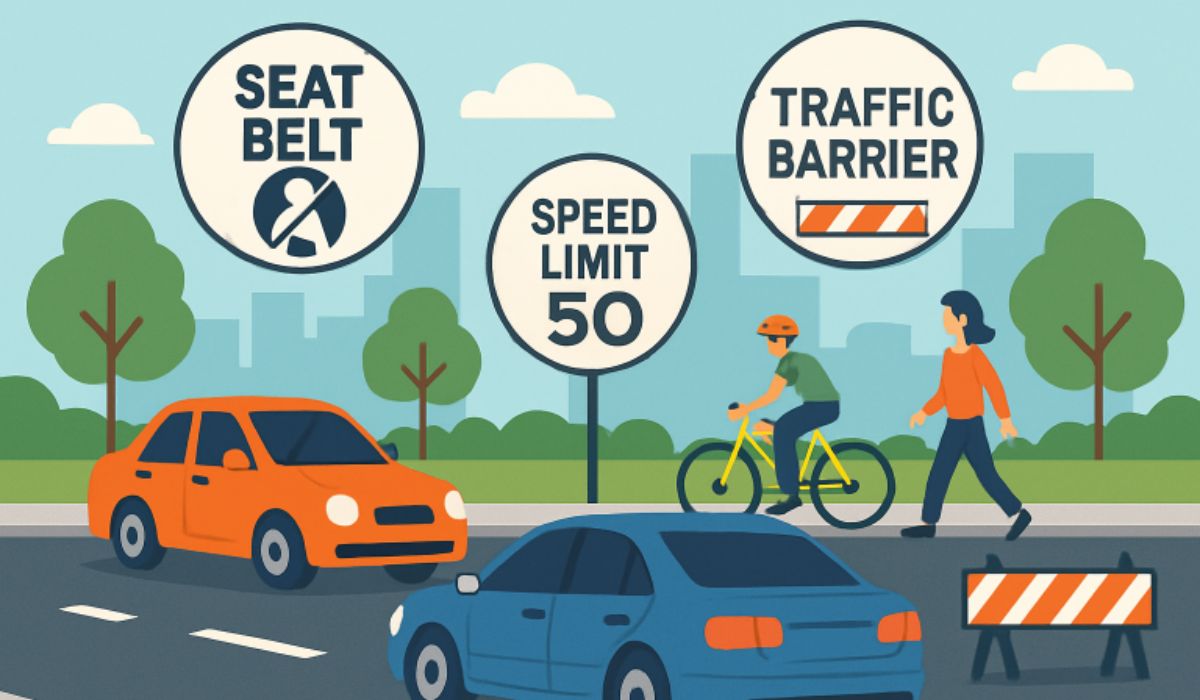
Governments, businesses, and individuals all play roles in this collective effort. Enacting sound legislation, improving infrastructure, and introducing technology-driven solutions have proven to be cornerstones in mitigating accident severity and occurrence. Each safety intervention—from seat belt enforcement to innovative warning systems—serves a distinct, crucial purpose in protecting lives on the move.
The ripple effects of robust road safety policies extend beyond direct injury reduction. Enhanced road safety boosts overall community well-being, minimizes healthcare costs, and fosters an environment where people can travel with greater confidence and security.
With commitments and innovations driving change, ongoing vigilance and collaboration remain the cornerstones of progress. Exploring the importance of legislation, speed management, traffic barriers, red light technology, corporate leadership, and the Vision Zero methodology demonstrates how comprehensive efforts deliver real-world results.
Importance of Seat Belt Legislation
Seat belt legislation stands as one of the most effective ways to reduce traffic fatalities. Data from the National Highway Traffic Safety Administration (NHTSA) show that seatbelts saved nearly 15,000 lives in the U.S. in a single year. For occupants involved in car crashes, using a seatbelt can reduce the risk of fatal injury by 45% and moderate to severe injury by 50%. As such, strict seat belt laws and enforcement campaigns play a pivotal role in improving road safety outcomes.
Consistent public education campaigns, paired with high-visibility law enforcement, have led to increased compliance and awareness about seatbelt usage. States with primary seat belt laws—meaning officers can ticket motorists solely for not wearing a seatbelt—demonstrate higher usage rates and lower injury statistics than states with secondary laws or no seatbelt requirements.
Impact of Reducing Speed Limits
Speeding increases both the likelihood and severity of crashes. Reducing speed limits, especially in urban and residential areas, offers one of the most direct routes to lowering injury rates. For example, the Chilean capital of Santiago experienced a notable decrease in work-related transportation incidents after reducing urban speed limits. Lower speeds translate to shorter stopping distances, giving both drivers and pedestrians more time to react and directly curbing the occurrence and severity of collisions.
Data from the Centers for Disease Control and Prevention (CDC) continually highlights excessive speed as a significant risk factor for road fatalities worldwide. Implementing managed speed zones near schools and busy intersections further safeguards vulnerable road users, such as children and older adults.
READ ALSO: How to Handle Personal Injury Cases Effectively
Role of Traffic Barriers
Physical traffic barriers, including guardrails, crash cushions, and median dividers, are integral in keeping vehicles on the roadway and shielding them from hazardous obstacles. These barriers are especially vital near high-speed roads or dangerous curves, as well as in areas with high foot traffic, such as school zones and pedestrian crossings. By physically separating opposing lanes of traffic or demarcating restricted areas, barriers reduce the incidence of high-impact head-on collisions and provide essential protection for both motorists and non-motorists.
Studies in road design reveal that judicious placement and maintenance of barriers can help reduce collision forces, minimize the severity of crashes, and ultimately save lives. Municipalities that invest in modern traffic barrier systems often experience decreases in both the number and severity of vehicular accidents.
Effectiveness of Red Light Cameras
Intersection-related accidents caused by red light violations account for a significant portion of serious urban injuries. Red light camera enforcement has been proven to mitigate these risks by deterring repeat offenders. Research published by the Insurance Institute for Highway Safety (IIHS) indicates that automated red light enforcement reduces injury crashes by approximately 25% at controlled intersections. However, it may lead to a slight increase in rear-end crashes due to sudden stops.
Overall, communities adopting these systems typically experience lower rates of T-bone and side-impact collisions—accidents that often lead to severe or fatal injuries. Transparency, public support, and fair enforcement are crucial in maximizing the benefits of these automated systems.
Infrastructure-Based Warning Systems
Advanced digital signage and warning systems are transforming how drivers interact with dynamic roadway conditions. Real-time alerts about upcoming hazards, pedestrian crossings, sharp curves, or impending changes in traffic lights can enhance driver decision-making and enable timely braking or evasive maneuvers. Studies demonstrate that well-implemented warning technologies reduce accident rates by enhancing situational awareness and reducing human error.
As transportation infrastructure becomes increasingly interconnected, such warning systems provide a foundation for integrating future innovations, such as connected vehicle technology and fully automated driving support.
Corporate Initiatives in Road Safety
The movement for safer roads increasingly features collaboration from the private sector. Dozens of organizations, including well-known brands such as Uber, Lyft, and Honda, are piloting projects and funding community-based safety solutions. Initiatives range from installing improved school zone crosswalks to pioneering enhanced driver notification technologies.
As part of the U.S. Department of Transportation’s “Call to Action” campaign, these groups demonstrate that corporate responsibility can be leveraged to magnify positive change on a national scale. Public-private partnerships are poised to continue evolving, driving both policy and technical progress for safer streets.
Vision Zero Approach
Vision Zero is an ambitious, systems-based strategy championed by a growing number of U.S. cities and international communities. This approach reimagines roads to eliminate all traffic deaths and severe injuries—a goal built on the principle that no loss of life on the road is acceptable. Cities such as Mountain View, California, and Lancaster, Pennsylvania, are among those committed to eliminating fatal collisions by 2030.
By placing the burden of safety on road design and policy rather than individual behavior alone, Vision Zero policies encourage integrated solutions that account for human error while offering layers of systemic protection for all road users.
Conclusion
Comprehensive road safety efforts, ranging from robust seatbelt legislation and thoughtful speed management to cutting-edge infrastructure and strategic corporate engagement, have the power to transform our roads. By continuing to innovate, reinforce, and collaborate—as individuals, organizations, and communities—we move closer to the reality of truly safe and injury-free travel for future generations.
YOU MAY ALSO LIKE: How to Handle Personal Injury Cases Effectively

Relocating to Naples, Florida: A Comprehensive Guide

Lessons in Leadership: Learning from the Automotive Industry’s Visionary Innovators

Top 5 Met Tower Installation Companies in 2026: Ensuring Accurate Wind Resource Assessment

The Ultimate Guide to Group Transportation Solutions

NBA 2K22 Clippers Dorna Enhances Realism
-

 Home Improvement2 years ago
Easy Ways to Clean and Maintain Your Foam Play Mat
-

 Celebrity2 years ago
Who Is Andrew Santino Wife? The Full Story
-

 Tech2 years ago
Explore iZoneMedia360 .Com Features & Benefits
-

 Entertainment2 years ago
Remembering Melanie Olmstead Yellowstone’s Unsung Hero
-

 Uncategorized2 years ago
Prairie Dog Guide: Habitat, Behavior, and Conservation
-

 Celebrity2 years ago
A Deep Dive into Jeremy Allen White Movies and TV Shows
-

 Business2 years ago
How Influencersginewuld Shapes the Future of Branding
-

 Apps & Games2 years ago
The Pizza Edition Games: A Perfect Slice of Fun and Flavor