
Tech
Sig Sauer: Precision and Innovation in Action


Sig Sauer is synonymous with precision, reliability, and cutting-edge innovation in the firearms industry. Known for its exceptional craftsmanship and trusted by military personnel, law enforcement officials, and firearm enthusiasts worldwide, Sig Sauer has become a benchmark in the field of firearms manufacturing. Whether you are passionate about sports shooting, require dependable tools for personal protection, or are part of professionals serving in defense and law enforcement, Sig Sauer products deliver unmatched quality and performance.
This article dives into the rich history, revolutionary product range, and the technological leadership of Sig Sauer to explore why it’s a trusted name in the firearms industry.
The History and Legacy of Sig Sauer
Origins of Sig Sauer
Sig Sauer’s roots date back to Switzerland in 1853 when it began as a wagon factory. However, its evolution into firearms manufacturing started in 1860 when the company designed and produced its first rifle for the Swiss Army. Fast forward to 1976, the company merged with J.P. Sauer & Sohn, a German firearms manufacturer, to form Sig Sauer. This partnership combined Swiss engineering precision with German attention to detail, laying the foundation for the world-renowned brand we know today.
Key Milestones and Achievements
Over the years, Sig Sauer has reached several milestones that solidified its position as a frontrunner in innovation:
- P226 Launch (1984): This pistol was adopted by the U.S. Navy SEALs and is still revered for its reliability and performance in extreme conditions.
- P365 Release (2017): The introduction of the P365 set new benchmarks for compact handguns, boasting unparalleled capacity and functionality.
- U.S. Army M17/M18 Contract (2017): Sig Sauer won a historic military contract to supply its Modular Handgun System (MHS) pistols, exemplifying its versatility and effectiveness.
Sig Sauer’s Exceptional Product Range
Firearms
Sig Sauer is globally recognized for its sophisticated range of firearms:
- Pistols: From the iconic P226 to the compact P365, Sig Sauer pistols are renowned for their accuracy, durability, and ergonomic design.
- Rifles: Sig Sauer offers rifles like the MCX series, which are highly versatile and suitable for tactical as well as civilian use.
- Airguns: For those who enjoy firearm training or recreational shooting, Sig Sauer also manufactures innovative air rifles and pistols.
Ammunition and Optics
Sig Sauer manufactures premium ammunition tailored to meet the performance demands of its firearms. It also provides optics engineered for precision targeting:
- ROMEO and JULIET Series: Cutting-edge red dot and magnifier optics designed for rapid acquisition.
- BINOS Series: Exceptional binocular optics for outdoor adventurers and hunters.
Suppressors
For noise reduction and enhanced stealth, Sig Sauer produces suppressors that conform to military standards while catering to civilians:
- SRD Suppressors: Lightweight but made from durable materials like titanium and stainless steel, these are favored for tactical and hunting applications.
Technology and Innovation at Sig Sauer
Engineering Excellence
What sets Sig Sauer apart is its relentless commitment to precision engineering. Each product undergoes rigorous quality control tests to ensure it meets the highest standards:
- CNC machining guarantees tight tolerances for superb accuracy.
- Use of top-grade materials like stainless steel and polymer ensures durability under extreme conditions.
Customization Options
Sig Sauer offers exceptional customization services to meet individual preferences:
- P320 Studio: This modular pistol system allows users to change grip sizes, calibers, and slide lengths, providing unparalleled adaptability.
Advanced Features
Sig Sauer integrates groundbreaking technologies into its products:
- Electro-Optics: Advanced optics that combine sensors and software for automated adjustments.
- Low-Profile Designs: Compact but powerful mechanisms for ease of use and storage.
Sig Sauer’s Market and Customer Base
Military and Law Enforcement
Sig Sauer has earned its credentials as a trusted firearm manufacturer for global militaries and law enforcement:
- U.S. Military: Supplier of the Modular Handgun System (MHS), including the M17 and M18.
- Global Reach: Countries like Germany, the UK, and India use Sig Sauer for their defense forces.
Civilian Market
Sig Sauer has a strong fanbase among civilian shooters and hobbyists, thanks to:
- Concealed-carry pistols like the P365.
- Rifles suited for recreational shooting or competitions.
Global Presence
With offices and manufacturing facilities in Germany, the U.S., and Switzerland, Sig Sauer distributes its products across over 100 countries.
Training and Support
Training Programs
Dedicated to skill development, Sig Sauer operates the Sig Sauer Academy, offering courses on:
- Firearm safety.
- Tactical training for military and law enforcement professionals.
- Sports shooting techniques for enthusiasts.
Customer Support
Customer satisfaction is key to Sig Sauer:
- Warranties: Comprehensive coverage on most products to instill confidence.
- Maintenance Services: Wide network of support centers for repairs and upgrades.
Stories of Success and High Praise
User Testimonials
Real-world feedback highlights Sig Sauer’s effectiveness:
- “The P226 has been my go-to for over a decade. Its reliability is unmatched,” says a retired U.S. Navy SEAL.
- “The compact P365 is perfect for everyday carry with no compromise on capacity,” says a civilian user.
Case Studies
- During critical missions, military units have relied on Sig Sauer’s M17 pistols to perform flawlessly in challenging conditions.
- Competitive shooters frequently credit Sig Sauer for their superior performance in tournaments.
Conclusion
Sig Sauer’s commitment to innovation, precision, and excellence has solidified its legacy as a leader in the firearms industry. From its roots in Switzerland to a global presence today, Sig Sauer continues to design groundbreaking products that cater to civilian enthusiasts, professional shooters, and defense personnel alike.
Whether you’re looking to expand your collection, step up your shooting skills, or simply enjoy the artistry of precision engineering, Sig Sauer offers something for everyone.
FAQs
What makes Sig Sauer firearms unique?
Sig Sauer is renowned for its precision engineering, robust quality control, and the integration of advanced technologies, delivering unmatched reliability and performance.
Which Sig Sauer pistol is best for concealed carry?
The Sig Sauer P365 is widely regarded as one of the best options for concealed carry, thanks to its compact design and impressive capacity.
Does Sig Sauer provide training programs?
Yes, Sig Sauer operates the Sig Sauer Academy, offering courses on firearm safety, tactical training, and sports shooting.
Are Sig Sauer products used by the military?
Yes, Sig Sauer products, including the M17/M18 pistols, are extensively used by military and law enforcement agencies worldwide.
Where can I buy Sig Sauer firearms and accessories?
Sig Sauer products are available through authorized dealers and an extensive network of distributors across over 100 countries.

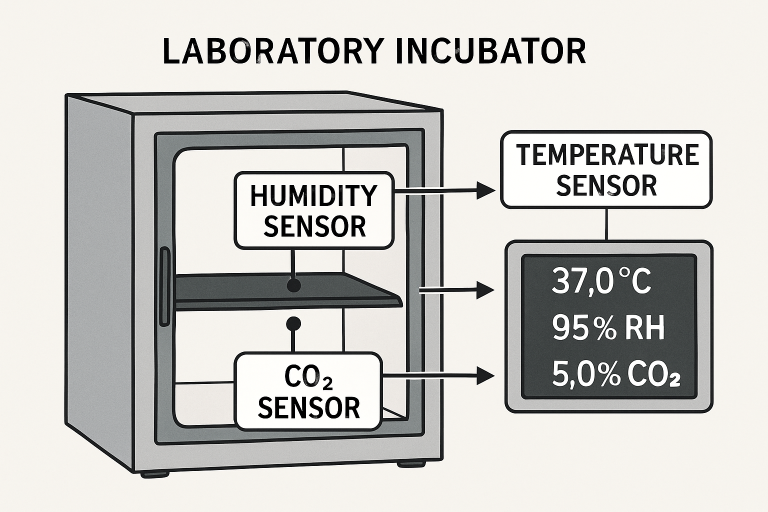
Laboratory incubators serve as the backbone of modern scientific research, supporting the cultivation of cell cultures, microbiological analyses, and numerous experimental protocols that require precise environmental control. Their accuracy and reliability are heavily dependent on the synergy between advanced sensors and nuanced control systems that maintain ideal conditions for scientific work. When these sophisticated machines require expertise, it’s essential to rely on industry professionals, such as those specializing in laboratory incubator repair Delaware, to ensure consistent and dependable performance.
Even minor variations in temperature, humidity, or gas levels within an incubator can compromise the integrity of research. This level of precision, and the mechanisms that ensure it, have been elevated immensely with modern diagnostic sensors and smart automation, setting new standards for reproducibility in laboratory studies. The capability to monitor data remotely and maintain tight tolerances is transforming how laboratories uphold experimental validity, minimize contamination risk, and comply with regulations for sensitive research environments.
Importance of Precise Environmental Control
Laboratory incubators are designed to provide controlled conditions crucial to biological and chemical experiments. Stable temperature, humidity, and gas concentration are fundamental for cellular growth, tissue development, and chemical reactions. Even subtle shifts can introduce variability, impair reproducibility, and threaten the success of high-stakes research such as vaccine development or genetic engineering.
The ripple effect of environmental instability within incubators means risk for cross-experiment contamination and erroneous data—risks that healthcare, pharmaceutical, and clinical research labs cannot afford to take. With ever-tighter regulatory requirements, precise control and reliable monitoring become prerequisites for both research integrity and compliance.
Key Sensors in Laboratory Incubators
Modern incubators rely on an array of robust sensors to continually monitor and regulate key parameters:
- Temperature Sensors: Platinum resistance devices, such as PT100s, are widely adopted for their stability and accuracy, which are essential for protocols that demand exact thermal profiles. These sensors are carefully positioned within the incubator to capture both localized and overall variations in temperature.
- Humidity Sensors: By quantifying relative humidity, these sensors prevent conditions that could lead to sample desiccation or mold growth, which are frequent causes of experiment failure in tissue culture.
- CO₂ Sensors: Accurate carbon dioxide measurement sustains the delicate pH of media in cell culture applications. Advanced photoacoustic and infrared sensors offer reliable CO₂ quantification, accommodating a wide range of research needs.
Advanced Control Systems
The intelligence of an incubator lies within its control systems, which synthesize constant sensor input to adjust environmental outputs in real-time:
- Automated Feedback Mechanisms: Feedback loops operate heaters, chillers, and gas valves with split-second responsiveness, maintaining setpoints with minimal variance. This minimizes manual intervention and human error, thereby strengthening overall experiment reliability.
- PID Controllers: Proportional-Integral-Derivative (PID) controllers calculate and correct deviations between actual and desired states. This leads to rapid error correction and remarkable environmental stability—critical for sensitive experimental timelines.
Integration of Smart Technologies
The digital transformation of laboratory equipment is changing how scientists interact with their incubators and data:
- Remote Monitoring: Cloud-based interfaces and mobile apps empower researchers to view live parameter data and receive deviation alerts from anywhere, drastically reducing response times and safeguarding research assets. This is invaluable for labs operating under strict quality controls or managing long-duration studies.
- Data Logging and Analytics: Incubators now offer continuous data recording, building a detailed environmental history that supports troubleshooting and advanced data analysis. Laboratories use these insights to optimize protocols and achieve higher reproducibility rates, which are increasingly required for publication in major journals.
Challenges and Solutions
Even with technological advances, practical challenges persist in maximizing incubator performance:
- Sensor Calibration: Sensor drift, caused by environmental exposure or prolonged use, can result in misleading data. Scheduled calibration and proactive maintenance protocols are necessary measures for ensuring ongoing accuracy—especially in labs where regulatory audits are a constant consideration.
- Contamination Risks: The enclosed, moisture-rich environments ideal for cultures are also attractive to contaminants. Solutions such as integrated HEPA filters, antimicrobial coatings, and automated UV sterilization cycles dramatically reduce the incidence of cross-contamination and lost samples.
Future Trends in Incubator Technology
As technology continues to evolve, key trends are emerging in laboratory incubator design:
- Enhanced Automation: Artificial intelligence is being developed to anticipate and respond to environmental changes proactively, thereby reducing human oversight and enabling real-time optimization for even the most sensitive experiments.
- Energy Efficiency: Sustainability is an increasing priority. Newer incubators are leveraging design innovations and material science advancements to reduce energy consumption without compromising performance, helping labs lower their operational costs and environmental impact.
- Improved User Interfaces: More intuitive touchscreens and app-based controls are making incubator operation easier and more accessible, shortening the learning curve for new users and minimizing errors.
Conclusion
Reliable laboratory incubator performance is the result of a sophisticated marriage between advanced sensors and responsive control systems. These innovations empower researchers to maintain exact conditions and focus on groundbreaking discoveries. As digital technologies, automation, and sustainability practices move to the forefront, the future of laboratory incubators promises even greater accuracy, efficiency, and scientific impact.
READ ALSO: Advancements in Battery Testing: Enhancing Safety and Reliability
Introduction
Enhancing mobility in equipment—whether industrial machinery, medical devices, or office furniture—relies on selecting the right casters for your specific needs. The process isn’t about picking wheels but finding the ideal match to ensure optimal performance, durability, and safety. Whether you’re retrofitting existing equipment or customizing new projects, understanding how to select wheels for carts is foundational to designing effective solutions for your workplace or facility.
Applications differ widely, and so does the choice of casters. Selecting the correct type and material not only guards against unnecessary wear and tear but can enhance operational efficiency and reduce maintenance costs in the long term. Understanding caster fundamentals also helps prevent floor damage and fosters a safer working environment.
Understanding Caster Types
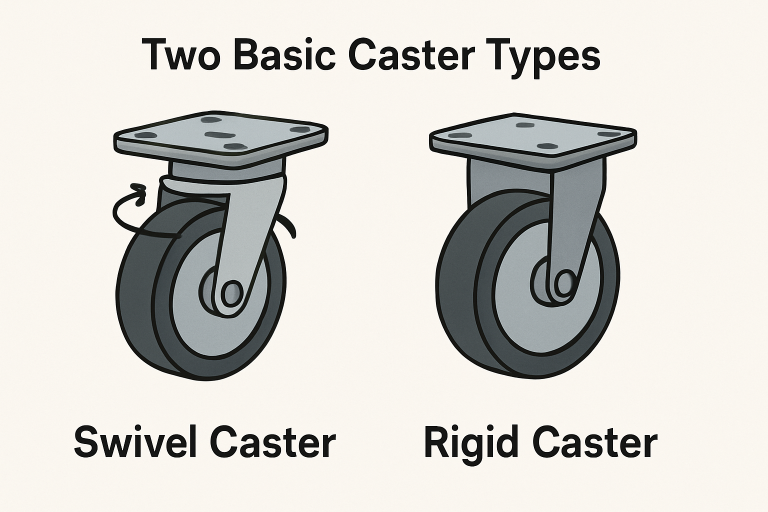
Casters are designed in two primary categories: swivel and rigid. Recognizing how they function and where they excel sets the stage for further customization.
- Swivel Casters: These offer 360-degree rotation, making them an essential choice for applications where frequent directional changes are necessary, like in hospital beds, rolling tool chests, or restaurant carts, where nimble navigation is critical.
- Rigid Casters: Built to move in only one direction, rigid casters are best for applications that need straight-line stability, such as conveyor equipment or heavy-duty racks that are seldom repositioned.
For many projects, combining both types—swivel on one end, rigid on the other—delivers a blend of maneuverability and stability, accommodating a wide range of operational needs.
Key Factors in Caster Selection
Selecting casters isn’t only about mobility. Some critical elements require careful assessment:
- Load Capacity: Underestimating the weight your equipment needs to support can lead to caster failure, equipment damage, or safety hazards. Always match or exceed the weight guidelines provided by the caster manufacturer.
- Flooring Type: Match the wheel’s composition to your flooring to minimize surface damage. For example, soft wheels are ideal for hardwood, while harder wheels fare better on carpet or concrete.
- Environmental Conditions: Exposure to water, chemical agents, or high heat may necessitate special materials. Neglecting this consideration can lead to corrosion or accelerated wear.
Carefully weighing these factors before purchase ensures that the selected caster will be functional and safe in its environment. For a deeper dive into how workplace equipment can impact safety and productivity, visit this comprehensive overview by Industrial Magazine.
Material Considerations
Material choice influences everything from load rating to the type of maintenance required. Here are the most common options:
- Polyurethane Wheels: Polyurethane is often considered the go-to for multipurpose use. It combines resilience with floor protection, and its resistance to abrasion and chemicals makes it valuable in warehouses and healthcare settings.
- Rubber Wheels: Noted for their quiet, cushioned ride, rubber wheels shine in office environments or on delicate floors but may degrade faster under constant heavy loads.
- Metal Wheels: The ultimate workhorse, metal wheels can bear extreme weights and withstand rough usage. However, they are noisier and can damage floors without proper preparation.
Considering the likely environment in terms of traffic, noise tolerance, and floor quality will help you choose the optimal material for your casters.
Load Capacity and Durability
Load capacity isn’t just the sum of what a single caster can handle; divide the equipment weight (including its contents) across the number of casters, then add a safety factor to allow for uneven weight distribution and shock loads. Overloading casters results in deformation, braking failure, and can present an immediate hazard in busy environments.
Manufacturers provide clear load ratings. Ignoring these guidelines is a primary cause of premature caster failure. Ensure every component is up to the task, especially if mobility is vital for your application’s productivity or safety.
Environmental Factors
The operational setting significantly impacts caster longevity and function. Consider these environmental elements:
- Temperature Extremes: Plastic and rubber compounds may become brittle and lose performance at very low temperatures, while high heat can degrade specific polymers and lubricants.
- Exposure to Chemicals: Industrial cleaning agents, oils, and solvents can rapidly degrade unsuitable wheel materials, leading to splitting or losing traction.
- Moisture Levels: High humidity or frequent water exposure demands corrosion-resistant designs—stainless steel or specialized coatings are preferable in these scenarios.
Factoring in the daily environment ensures longevity and optimal ROI from your caster investment. Machine Design also provides guidance on selecting industrial hardware for challenging environments.
Maintenance and Safety
Routine inspection and maintenance are non-negotiable for any equipment with casters. Schedule regular checks according to the manufacturer’s recommendations. Focus on:
- Checking wheels and axles for wear or cracks.
- Removing any debris or buildup from wheel treads.
- Lubricating bearings and swivels to maintain silent, smooth operation.
Sticking to a proactive maintenance routine extends service life and helps mitigate workplace accidents caused by faulty mobility equipment.
Conclusion
Choosing the correct casters means looking beyond basic functionality to evaluate load capacity, material construction, and the operational environment. Given the array of available options, an informed selection empowers your equipment to deliver optimal utility, protecting your floors, staff, and investment. For more guidance or to shop for quality solutions, explore wheels for carts designed for various commercial and industrial needs.

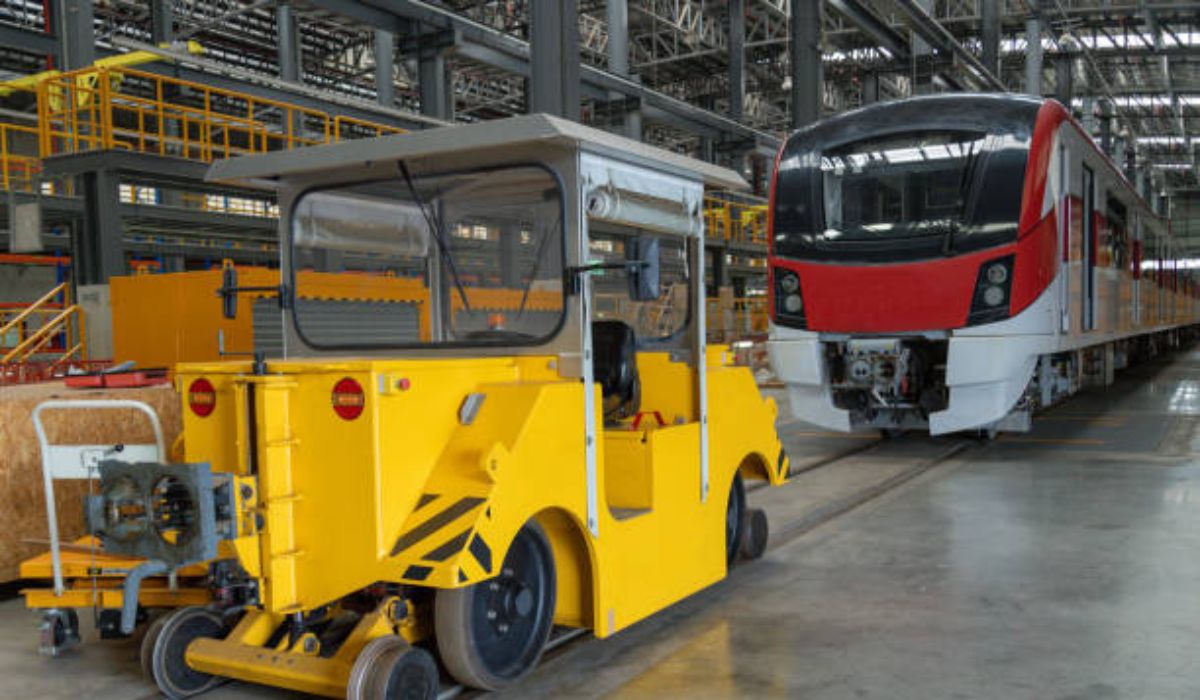
Industrial operations rely heavily on equipment and machinery that can withstand demanding conditions while maintaining smooth and efficient workflows. One often overlooked factor in achieving operational efficiency is mobility—how equipment moves, adapts, and absorbs the stresses of daily use. Heavy-duty mobility solutions are designed to support substantial loads while minimizing disruptions caused by uneven surfaces, vibrations, and repetitive motion. Incorporating small shock absorbing casters into industrial carts, platforms, and transport systems can significantly enhance stability and reduce wear and tear, creating a safer and more reliable work environment.
These solutions are particularly valuable in facilities where frequent relocation of machinery or materials is required. By combining robust construction with features like shock absorption, industrial mobility systems help maintain productivity, reduce downtime, and extend the lifespan of equipment. Thoughtful mobility design ensures that operational flow remains uninterrupted, supporting overall efficiency and creating a more ergonomic workspace for employees handling heavy loads.
Advancements in Caster Technology
Recent years have seen a significant leap forward in caster engineering, specifically tailored to meet the needs of heavy-duty applications. Notably, extra-heavy-duty dual-wheel casters are now revolutionizing how plants move their heaviest and most valuable assets. Built for exceptional load capacities, these casters can withstand rigorous industrial use without succumbing to deformation or performance fatigue. Their dual-wheel design distributes weight more effectively, reducing stress on floors and enhancing both maneuverability and long-term durability.
Shock-absorbing mechanisms within modern casters not only protect delicate loads but also contribute to reduced noise and smoother transport. These improvements have enabled facilities to expand their capabilities, allowing them to confidently move precision equipment across varied terrains and tight spaces.
Automated Carousel Systems
Material handling is undergoing a digital revolution, with automated carousel systems at its heart. These systems use vertical or horizontal carousels to optimize space, sort inventory quickly, and automate the movement of parts and equipment. Automating these workflows not only reduces labor costs but also minimizes picking errors and eliminates unnecessary storage space, thereby freeing up valuable floor space for other activities.
Facilities without automation often grapple with workflow interruptions due to manual searching, misplaced goods, or inefficient storage. In contrast, automated carousel systems bring materials directly to workers, improving picking precision while drastically reducing walk time and fatigue.
Digital Transformation in Heavy Equipment
The mobility of heavy equipment is now being redefined not just by mechanical solutions, but also by digital innovation. Connected sensors and software-driven diagnostics empower real-time equipment and asset tracking, allowing teams to anticipate maintenance needs and prevent costly, unexpected breakdowns.
The Role of Digital Twins
One of the most impactful advancements is the adoption of digital twins—data-driven virtual representations of physical machinery. These models are used to simulate, test, and continuously improve processes without interrupting production lines physically. By proactively identifying performance bottlenecks or potential failures, companies can react swiftly and optimize their layouts and workflows to improve efficiency. As businesses leverage these technologies, they not only gain visibility but also actionable insights for continual improvement and cost reduction.
Sustainable Mobility Solutions
With sustainability goals rising to the forefront, eco-friendly mobility solutions are quickly becoming the industry standard. Electrified tuggers, battery-powered loaders, and hydrogen-powered vehicles offer high torque for moving large loads, while also producing far lower carbon emissions compared to their diesel or gasoline-powered predecessors. These systems benefit both the environment and plant economics by reducing fuel and maintenance costs while ensuring compliance with tightening regulatory requirements.
In sustainable operations, the use of recyclable or renewable materials in caster manufacturing, as well as the adoption of low-resistance wheels, is also gaining ground, providing another layer of efficiency by minimizing energy consumption. Beyond the direct savings, sustainable initiatives also help companies attract investment and meet the increasing expectations of eco-conscious stakeholders.
Challenges and Considerations
Transitioning to next-generation mobility systems presents challenges. Initial capital investment can be significant, and staff may require specialized training to adapt to new equipment or automation platforms. Integrating new technologies into legacy systems sometimes necessitates temporary disruptions or phased implementations. Organizations should conduct thorough assessments, pilot projects, and vendor consultations to understand both the short-term impacts and the long-term efficiency gains of such upgrades.
Conclusion
As industrial operations become increasingly complex and competitive, the importance of robust, adaptable mobility solutions cannot be overstated. With advancements in caster technology, the adoption of automated systems, the rise of digital tools, and an urgent shift toward sustainability, manufacturers can achieve safer, smarter, and more sustainable operations. Investing in these innovations not only reduces downtime and operational risk but also positions organizations at the forefront of industrial efficiency and resilience for years to come.

How Ski Wax Science Helps You Glide Further

Best Practices for Long-Lasting Asphalt Surfaces

Eye-Catching Sign Design Tips to Attract More Customers

How to Navigate the Home Buying Process with Confidence

Driving Test Tips for a Smoother Road Test Experience
-

 Home Improvement1 year ago
Easy Ways to Clean and Maintain Your Foam Play Mat
-

 Celebrity1 year ago
Who Is Andrew Santino Wife? The Full Story
-

 Tech1 year ago
Explore iZoneMedia360 .Com Features & Benefits
-

 Entertainment1 year ago
Remembering Melanie Olmstead Yellowstone’s Unsung Hero
-

 Uncategorized1 year ago
Prairie Dog Guide: Habitat, Behavior, and Conservation
-

 Celebrity1 year ago
A Deep Dive into Jeremy Allen White Movies and TV Shows
-

 Apps & Games1 year ago
The Pizza Edition Games: A Perfect Slice of Fun and Flavor
-

 Business1 year ago
How Influencersginewuld Shapes the Future of Branding