Connect with us

Home Improvement

Investing in Home Comfort: How Homeowners Can Boost Energy Efficiency with HVAC Maintenance

Published

on

HVAC Maintenance

Key Takeaways:

  • Regular HVAC maintenance can significantly lower energy bills.
  • Simple steps can enhance the system’s efficiency and lifespan.
  • Keeping the filters clean and scheduling annual check-ups are crucial maintenance tasks.
  • Consider switching to a programmable thermostat for increased control.
  • Understanding standard maintenance practices empowers homeowners to make informed decisions.

The Importance of Regular HVAC Maintenance

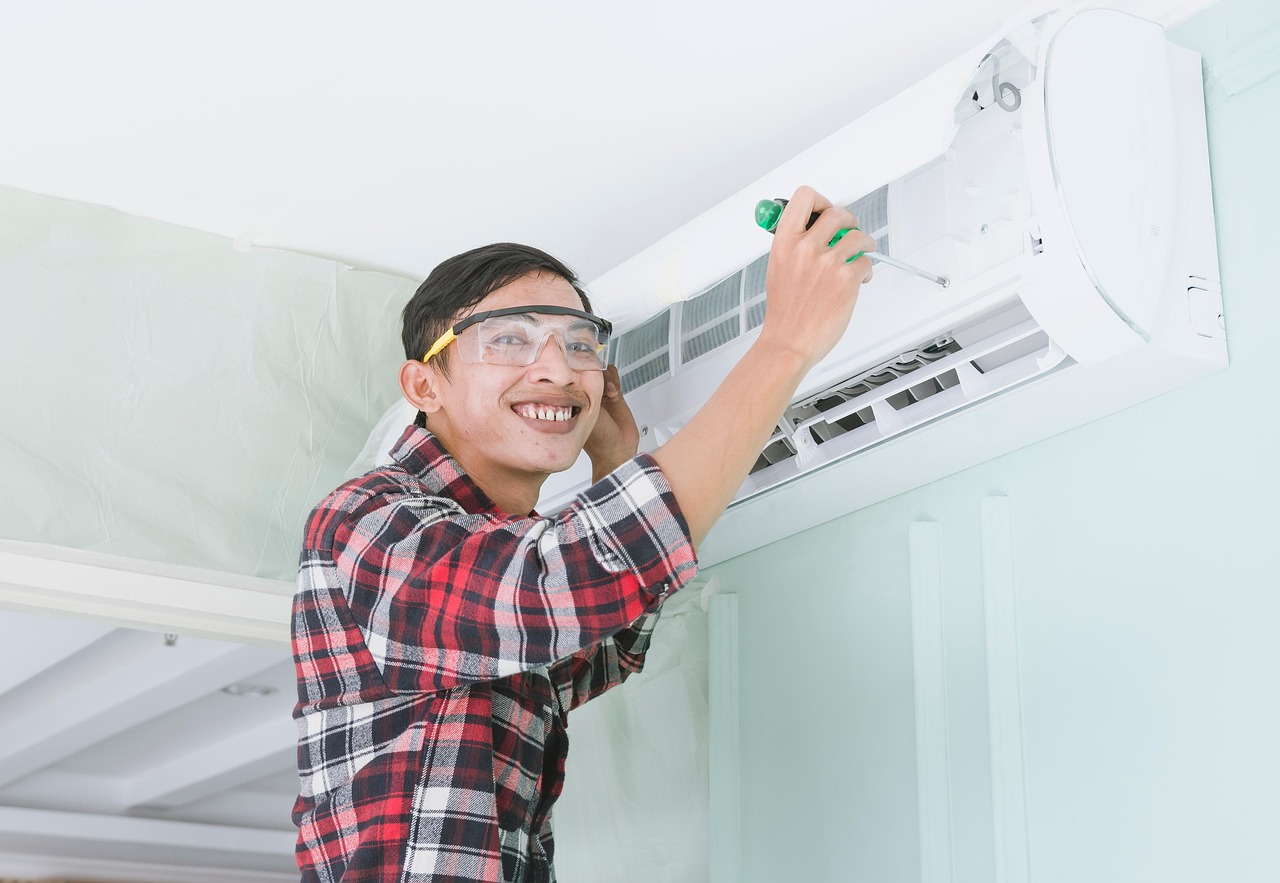
A well-maintained HVAC system contributes more than just to home comfort; it is a guardian of energy efficiency and a reducer of utility costs. Regular tune-ups ensure that your system functions at its peak efficiency, which could cut energy expenses by as much as 10%. By diagnosing and fixing minor faults before they worsen, you may avoid more expensive repairs and extend the life of your equipment. For those who find the myriad of maintenance tasks overwhelming, consulting with a seasoned HVAC Company can offer personalized advice and tailored maintenance solutions, setting you on the right path toward a more comfortable and cost-effective home environment.

Simple Steps to Maintain Your HVAC System at Home

To ensure efficient operation, homeowners can perform several basic maintenance activities independently. Changing air filters is one of the most straightforward yet impactful tasks. Filters should be replaced every one to three months, depending on your consumption and the air quality in your location. Clogged filters block airflow, causing your system to work harder and use more energy. Additionally, the regions surrounding indoor and outdoor units should be clear of dust and debris. Regular cleaning prevents potential obstructions that can compromise the system’s functionality, significantly contributing to its efficiency and longevity.

Upgrading Your Thermostat

Elevating your home’s energy efficiency could be as simple as upgrading your thermostat. Switching to a programmable or smart thermostat permits homeowners to fine-tune their heating and cooling schedules to align with daily routines. This capability ensures that your system doesn’t operate unnecessarily when no one is home, optimizing energy consumption. These devices are user-friendly and offer significant reductions in energy costs due to their precision control over temperature settings, which can seamlessly adjust based on your specific needs.

Understanding Potential HVAC Repairs

Familiarity with common HVAC issues empowers homeowners to engage more effectively with service professionals. Refrigerator leaks, faulty sensors, and blocked drainage can affect performance and drive energy costs. Home’s knowledge about these potential issues aids in promptly addressing them, minimizing the difficulty and expense of repairs. Engaging skilled personnel for diagnosis and maintenance ensures your system operates optimally and prevents minor difficulties from progressing into more serious, costly problems.

Indications That Your HVAC Needs Attention

Recognizing signs that your HVAC needs expert intervention can help maintain a well-functioning system. Indicators such as unusual noises, reduced airflow, or inconsistent temperatures within your home could mean it’s time to call the professionals. Early diagnosis of these faults is critical for preventing unexpected system failures, particularly during extreme weather conditions when temperature control is highly relied upon for comfort and safety.

Investing in Energy Efficiency

Investing in energy efficiency benefits the individual homeowner financially and contributes positively to broader environmental efforts. Regular HVAC maintenance and strategic upgrades, like enhanced insulation, energy-efficient appliances, and system upgrades, lead to sustainable energy usage with a favorable environmental impact. The International Energy Agency highlights that adopting such energy-efficient practices is crucial in global efforts to reduce energy demand and combat climate change.

Continue Reading
Click to comment

Leave a Reply

Your email address will not be published. Required fields are marked *

Home Improvement

How Modern Plumbing Solutions Drive Home Efficiency

Published

on

By

Plumbing Solutions

In today’s fast-paced world, modern plumbing solutions are transforming how homes function, blending technology and sustainability for optimal performance. These innovations not only help conserve water and energy resources but also reduce operating costs and extend the lifespan of household systems. Homeowners are increasingly turning to advanced plumbing features to create comfortable and environmentally conscious living spaces. If you’re looking to enhance your home’s efficiency or address plumbing concerns, connecting with a reliable plumber in your region is the best way to start.

From innovative plumbing technology to water-efficient fixtures, modern options are making it easier to monitor, control, and conserve vital resources at home. With so many innovative products on the market, it’s easier than ever to upgrade legacy systems for greater performance and peace of mind. As eco-friendly materials gain popularity, homeowners can adopt solutions that are both effective and sustainable.

Beyond personal savings, embracing advanced plumbing methods also supports broader environmental objectives, such as reducing urban water demand and lowering carbon emissions. Upgrading to intelligent, resource-conscious systems is a proactive step towards future-proofing properties. Whether you’re renovating or building new, working alongside skilled professionals in the industry ensures proper installation and maximum benefit from these upgrades.

For tailored expertise and prompt service, consider reaching out to local plumbers who are well-versed in regional building codes and the latest advancements in plumbing technology. Their experience enables them to recommend and install optimal solutions that match your home’s unique layout and needs.

Smart Plumbing Systems

Integrating innovative technology into home plumbing systems represents a significant leap forward in proactive water management. These innovative systems utilize Internet of Things (IoT) sensors to monitor water flow, detect anomalies, and alert homeowners to potential leaks in real-time. Remote access from mobile apps allows users to shut off the water supply instantly if an issue is detected, minimizing potential water damage. According to a recent review by The New York Times Wirecutter, smart leak detectors are among the most effective tools for preventing major disasters and keeping utility bills under control.

Eco-Friendly Fixtures and Materials

Sustainability is a prevailing theme in modern plumbing, with eco-friendly fixtures such as low-flow toilets and water-saving showerheads helping homes reduce unnecessary water usage. Contemporary faucets now feature aerators that maintain high water pressure while reducing the flow volume. Additionally, long-lasting materials such as PEX tubing are gaining popularity for their resistance to scale build-up and flexibility during installation—features that surpass those of legacy copper or PVC piping. These improvements not only reduce environmental impact but also drive cost efficiency for homeowners.

READ ALSO: PLG Supplies: The Secret Toolbox for Products That Sell Themselves

Tankless Water Heaters

Energy conservation takes center stage with tankless water heaters, which warm water only when it’s needed rather than maintaining a large hot water reservoir. This on-demand approach significantly minimizes standby energy loss. As highlighted by the U.S. Department of Energy, homes equipped with tankless models can achieve energy savings of up to 34% compared to conventional storage heaters. Their compact form factor also frees up valuable space in utility closets or basements, making them a perfect choice for modern, energy-conscious families.

Advanced Leak Detection Technologies

The cost and inconvenience of water damage can be substantial, with even small leaks causing long-term structural issues if unaddressed. New-age leak detection options now include ultrasonic sensors, advanced moisture detectors, and automated shut-off valves, all designed to react quickly to emerging problems. These systems can detect moisture behind walls or beneath floors—areas previously impossible to monitor effectively. Early intervention prevents more extensive repairs, helps conserve water, and maintains overall system health.

Regular Maintenance and Professional Services

Professional maintenance remains essential for maximizing the longevity and efficiency of modern plumbing technologies. Skilled plumbers offer comprehensive inspections, routine cleaning, pipe re-sealing, and fixture upgrades. Not only do these services catch potential problems early, but they also optimize water flow and pressure throughout the home. Homeowners are encouraged to partner with trusted service providers for regular checkups and advice on upgrading aging infrastructure. By doing so, you’ll ensure your system continues to meet today’s efficiency standards and delivers uninterrupted performance.

Embracing modern plumbing innovations allows homeowners to significantly improve comfort, efficiency, and long-term reliability within their homes. Advanced technologies, water-saving fixtures, durable materials, and innovative maintenance solutions work together to reduce waste, lower utility costs, and prevent unexpected repairs. These innovations also support environmental sustainability by conserving water and energy without sacrificing performance. By staying informed about the latest developments and partnering with skilled, experienced professionals, homeowners can make confident upgrades that enhance daily living. The result is an eco-friendly, cost-effective plumbing system designed to remain resilient and dependable for years to come.

YOU MAY ALSO LIKE: Simple Changes to Upgrade Your Home’s Plumbing System

Continue Reading

Home Improvement

The Kitchen Catalyst: Small Tools That Make a Big Impact

Published

on

By

Kitchen Catalyst

Creating a well-equipped kitchen is fundamental to streamlining meal preparation, making home cooking more enjoyable, and upgrading your results. The right equipment not only cuts down on cooking time but can also help you work more safely and confidently. From carefully chosen knives to innovative appliances, every tool serves a unique purpose in transforming your culinary routine. To further improve your kitchen workflow, consider learning how to take care of knife essentials to ensure longevity and safety.

Whether you’re a novice eager to build your first set of kitchen gear or a seasoned cook looking to optimize your process, investing in quality tools pays dividends in ease and efficiency. A thoughtfully equipped kitchen minimizes clutter, fosters precision, and inspires creativity with every meal. As modern cooking demands rapid meal preparation without compromising on flavor or nutrition, a few well-chosen items can make a dramatic difference.

Multifunctionality and ergonomic design are key traits to look for. Items that serve multiple purposes or save space help you cook with less clutter and stress. Embracing smart kitchen investments—and properly maintaining them—will streamline both daily meals and more ambitious culinary projects.

High-Quality Chef’s Knife

A sharp, durable chef’s knife is the cornerstone of any efficient kitchen. A quality blade makes chopping, slicing, and dicing easier and safer. A well-maintained chef’s knife drastically reduces food prep time and enhances precision. Regularly honing, sharpening, and storing your knife correctly will keep it performing at its best for years.

Ergonomic Cutting Board

Pair your chef’s knife with a reliable, non-slip cutting board. The ideal cutting board provides a stable, durable surface that keeps your blade sharp and your fingers safe. Wooden or high-grade plastic boards are gentle on knives and easy to sanitize, helping prevent cross-contamination in busy kitchens. Look for models with juice grooves or antimicrobial features for added practicality.

Digital Food Scale

Precision is a foundation of consistent cooking and baking. A digital food scale enables precise ingredient measurement, which is crucial for portion control and recipe accuracy. Beyond baking, a scale is handy for meal prepping, ensuring all portions align with dietary goals. Choose a scale with a clear digital display and easy-to-clean surface for hassle-free regular use.

Multi-Functional Food Processor

A high-performance food processor simplifies complex tasks like chopping, slicing, grating, pureeing, and even kneading dough. Modern processors combine multiple blades and attachments, often handling the work of several gadgets in one compact unit. Appliances such as the Cuisinart Custom 14-Cup Food Processor let you prep everything from salsa to pastry dough in seconds, reducing manual labor and cleanup time.

Immersion Blender

An immersion blender, or hand blender, is essential for anyone who loves making soups, sauces, or quick smoothies. Compact and versatile, it allows you to blend directly in the cooking pot or container, minimizing dishes. Options like the KOIOS 5-in-1 Hand Immersion Blender include attachments for whisking, chopping, and even frothing, making it a multipurpose tool in a small package.

Air Fryer

An air fryer can dramatically reduce cooking time and fat content without sacrificing flavor or texture. These appliances utilize powerful convection to achieve perfect crispness quicker than traditional ovens. Models like the Ninja Crispi are particularly suited to compact kitchens, offering multi-functional settings like baking, roasting, and warming food in addition to air frying. Health advocates and culinary experts alike praise air fryers for their combination of speed and versatility.

Measuring Cups and Spoons

Accurate measuring tools are indispensable for reproducible results in both savory and sweet recipes. Invest in sturdy, easy-to-clean sets with clear measurement markings. Metal or heavy-duty plastic sets are durable options that withstand frequent use and dishwasher cycles. Having a full range of cup and spoon sizes within reach boosts efficiency and ensures your recipes turn out as intended.

Organizational Tools

Maximizing kitchen efficiency requires keeping your workspace tidy and items accessible. Stackable mixing bowls, nesting measuring tools, and integrated colanders, like those found with the Joseph Joseph Nest 9 Plus, conserve space and make it easy to grab what you need. Drawer organizers and wall-mounted racks further reduce clutter, transforming even small kitchens into streamlined workspaces. By equipping your kitchen with these essential tools and focusing on quality maintenance, you’ll simplify meal prep, elevate your culinary results, and truly enjoy your time in the kitchen. Smart kitchen investments, supported by reliable guides and dedicated care, ensure that your kitchen remains a pleasure to use for years to come.

Conclusion

Building an efficient kitchen is not about filling every cabinet with single-use gadgets, as it is about selecting high-utility, ergonomic tools that simplify the transition from raw ingredients to a finished plate. When you invest in a precision chef’s knife, a versatile food processor, or space-saving organizational sets, you are doing more than just buying hardware; you are investing in culinary momentum. These tools eliminate the friction of prep work, allowing you to focus on the creativity and joy of cooking rather than the labor. Ultimately, the most successful kitchen is one where form meets function. By prioritizing quality over quantity and caring for your equipment, you create a professional-grade environment that is both safe and inspiring. Whether you are aiming for faster weeknight dinners or more precise gourmet results, the right tools act as a force multiplier, transforming your kitchen into a streamlined space where great meals happen effortlessly.

YOU MAY ALSO LIKE: Designing Your Dream Home: Creative Ideas and Practical Tips

Continue Reading

Home Improvement

Top Signs You Need a Professional Electrician Immediately

Published

on

By

Professional Electrician

Key Takeaways

  • Frequent breaker trips, flickering lights, and burning smells are major red flags.
  • Old or overloaded electrical systems are both inefficient and hazardous.
  • Professional electricians possess the necessary tools and expertise to diagnose and resolve electrical issues safely.
  • Acting fast on warning signs can prevent severe damage, injury, or even loss of life.

Table of Contents

  1. Frequent Circuit Breaker Trips
  2. Flickering or Dimming Lights
  3. Burning Smell or Discolored Outlets
  4. Buzzing or Crackling Sounds
  5. Warm or Sparking Outlets and Switches
  6. Outdated Wiring in Older Homes
  7. Overloaded or Outdated Electrical Panels
  8. Power Surges or Blown Fuses

Electrical issues in your home aren’t just inconvenient—they can rapidly escalate into dangerous situations if ignored. Most homeowners aren’t trained to recognize the subtle indicators of serious electrical problems. Catching these signs early is critical for protecting your property and your family’s safety. If you encounter issues, don’t hesitate to reach out for expert help from a trusted electrician in Charlotte, NC.

From seemingly minor annoyances, such as flickering lights, to more alarming symptoms, including burning odors, these warning signs shouldn’t be taken lightly. Allowing electrical problems to linger can increase the risk of costly repairs and even catastrophic events, such as house fires. Knowing when to call for help can give you peace of mind and keep your home safe for years to come.

In addition to basic repairs, keeping your electrical system up to date with services such as indoor lighting installation ensures both comfort and safety as your needs evolve.

Frequent Circuit Breaker Trips

If your circuit breaker trips more often than it should, it’s doing its job: protecting your home from electrical overloads that could otherwise start a fire. However, consistent tripping may signal more serious issues, such as faulty wiring, overloaded circuits, or a defective breaker. According to the National Fire Protection Association (NFPA), electrical failures or malfunctions are among the leading causes of home fires, so a professional assessment is always recommended in these situations.

Flickering or Dimming Lights

Flickering or dimming lights, especially when other appliances are in use, indicate unstable voltage and potentially loose or failing wiring. These symptoms are more than a mere nuisance—they can be harbingers of larger underlying problems that require expert attention. Do not ignore these recurring signals, particularly if they persist throughout your home.

Burning Smell or Discolored Outlets

A persistent burning smell near switches or outlets is a clear danger sign, indicating overheating or melting wiring insulation. Discoloration or scorch marks around your outlets often indicate past electrical arcing or burning, both of which are significant fire hazards. Shut off power to affected areas and contact an electrician immediately to investigate the cause and perform necessary repairs.

Buzzing or Crackling Sounds

Electrical systems are designed to operate quietly, so any unusual sounds should be treated as a serious warning sign. Buzzing, crackling, or sizzling noises coming from outlets, switches, or breaker panels often indicate loose wiring, damaged components, or active electrical arcing. Left unaddressed, these conditions can rapidly worsen, increasing the risk of electrical fires or dangerous shocks. Because these problems are not always visible, attempting a DIY fix can be hazardous. A qualified electrical specialist possesses the necessary tools and expertise to identify the root cause, secure faulty connections, and restore safe and reliable operation.

Warm or Sparking Outlets and Switches

If an outlet or switch feels warm or emits sparks, there is a potentially dangerous fault or overload in your system. This problem is widespread in older electrical setups or where too many devices are plugged into a single outlet. Warmth and sparking can also signal worn-out internal components, so avoid using the affected outlets and hire a licensed electrician to evaluate and repair the problem as soon as possible.

Outdated Wiring in Older Homes

Many older homes still have knob-and-tube or aluminum wiring, which often are not equipped to handle modern electrical loads and may not meet current safety codes. Such outdated systems are notorious for causing power surges, shorts, and even fires. Upgrading your wiring not only improves safety but also ensures reliable performance for your growing electronic needs.

Overloaded or Outdated Electrical Panels

Modern households use far more electricity than those from decades past. If your electrical panel is outdated or shows signs of overload—such as frequent power outages, tripped breakers, or warm panel covers—it may be time for an upgrade. A service panel that is too small for your needs may put your home at risk and limit future upgrades or appliance additions. For more information, refer to the Consumer Reports guide on electrical circuit panel upgrades.

Power Surges or Blown Fuses

Experiencing frequent power surges or blown fuses can wreak havoc on sensitive electronics and indicate larger issues, such as defective appliances, outdated wiring, or problems in your electrical grid. Installing proper surge protection and repairing the root cause can safeguard your home and extend the life of your electronics and appliances.

Conclusion

Warning signs of electrical issues are often visible when you know how to recognize them, and addressing them quickly can prevent serious hazards. Flickering lights, frequent breaker trips, burning smells, or unexplained power losses all signal potential problems that should never be ignored. Attempting do-it-yourself electrical repairs can be dangerous, increasing the risk of injury, fire, or costly damage. Instead, trust a licensed and qualified electrician to diagnose and resolve issues safely. Scheduling regular inspections, timely upgrades, and routine maintenance helps ensure your electrical systems remain reliable, efficient, and safe for everyday household use.

YOU MAY ALSO LIKE: Home Electrical Safety for Families: Essential Tips to Protect Your Loved Ones

Continue Reading

Trending