
Uncategorized
Ancient Art: Unlocking the Secrets of Humanity’s First Masterpieces


Imagine standing in a pitch-black cave, your torch flickering to reveal a herd of stampeding horses painted 17,000 years ago. What drove our ancestors to create art—and what can their symbols teach us today?
Ancient art isn’t just about dusty relics or museum exhibits. It’s a time machine, offering raw, unfiltered glimpses into the minds of people who laughed, mourned, and dreamed millennia before us. Whether it’s the haunting gaze of an Egyptian sarcophagus or the intricate patterns on a Mesopotamian seal, these works whisper secrets about identity, power, and the human spirit. Let’s unravel them together.
Why Ancient Art Still Matters Today
Bridging Past and Present
Ancient art collapses time. A Roman mosaic depicting a bustling market scene feels eerily familiar—swap togas for TikTok, and the human desire to connect remains unchanged. These artifacts remind us that innovation isn’t just about technology; it’s about enduring questions: Who are we? What matters?
Lessons in Human Creativity
Before hashtags and viral trends, artists used ochre, stone, and clay to communicate. The Lascaux cave paintings weren’t just “decorations”; they were survival guides, spiritual talismans, and maybe even early Netflix. Ancient creativity teaches us to solve problems with whatever’s at hand.
The Dawn of Expression: Prehistoric Art
Cave Paintings: The First Canvases
In 1940, a group of teens stumbled into France’s Lascaux Caves, discovering over 600 paintings of bulls, deer, and abstract symbols. Radiocarbon dating revealed they were 17,300 years old—proof that art is as ancient as humanity itself.
Key Insights:
- Purpose: Hunting rituals? Star maps? Scholars debate, but the emotional impact is undeniable.
- Technique: Natural pigments (iron oxide, charcoal) mixed with animal fat.
Venus Figurines: Symbols of Fertility
From Germany’s Venus of Hohle Fels (40,000 BCE) to Russia’s Kostenski Venuses, these palm-sized statues exaggerate hips and breasts, symbolizing fertility and abundance.
Mesopotamian Mastery: Art in the Cradle of Civilization
Ziggurats and the Divine
Mesopotamia’s ziggurats (stepped temples) weren’t just architectural feats—they were stairways to heaven. The Great Ziggurat of Ur (2100 BCE) declared, “Our gods are closer than yours.”
Cylinder Seals: Ancient Identity Theft?
Tiny carved cylinders rolled into clay to create signatures. Lose your seal, and you’d face fraud—a 3rd millennium BCE version of hacking.
Table 1: Ancient Civilizations at a Glance
| Civilization | Time Period | Key Art Forms | Materials Used | Symbolism Theme |
|---|---|---|---|---|
| Mesopotamia | 3500–500 BCE | Ziggurats, cylinder seals | Clay, lapis lazuli | Power, divinity |
| Egypt | 3100–30 BCE | Pyramids, hieroglyphs | Limestone, gold | Afterlife, eternity |
| Greece | 800–146 BCE | Pottery, sculpture | Marble, terracotta | Idealism, mythology |
| China | 1600 BCE–220 CE | Bronze vessels, jade carvings | Bronze, silk | Ancestry, harmony |

Egypt’s Eternal Canvas: Art for the Afterlife
Hieroglyphs: Words as Art
Egyptian scribes turned writing into visual poetry. The Book of the Dead (1500 BCE) blended spells and illustrations to guide souls through the underworld—a mix of self-help book and graphic novel.
Tomb Paintings: Portals to Eternity
In Luxor’s Valley of the Kings, murals show pharaohs farming, feasting, and judging souls. For Egyptians, art wasn’t decorative; it was functional, ensuring eternal life.
Greek Art: Where Gods and Humanity Collide
Pottery: Stories on Vases
Greek amphorae were Instagram stories of their day. The François Vase (570 BCE) crams 270 figures into mythological scenes—proof that binge-watching isn’t a modern vice.
Sculpture: Perfecting the Human Form
From Kritios Boy’s contrapposto stance to Venus de Milo’s missing arms, Greek sculptures celebrated idealized beauty and motion.
YOU MAY ALSO LIKE:
The Rongokurais Boon: Mythology, History, and Modern Quest
The Silk Road’s Secret: Ancient Chinese Art
Bronze Vessels and Ritual Power
Shang Dynasty (1600–1046 BCE) bronzes weren’t just cookware. Their intricate taotie (monster) motifs warded off evil during ancestral rituals.
Terracotta Army: An Emperor’s Immortal Guard
Xi’an’s 8,000 clay soldiers, buried with Qin Shi Huang (210 BCE), reveal China’s belief in art as a bridge between life and death.
Decoding Symbols: Hidden Messages in Ancient Art
Animal Motifs: More Than Decoration
- Egyptian Scarabs: Symbolized rebirth (dung beetles rolling the sun).
- Mayan Jaguars: Represented power and the underworld.
Colors and Their Sacred Meanings
- Egyptian Blue: Associated with the Nile and fertility.
- Roman Purple: Extracted from snails, reserved for emperors.
Preserving the Past: Challenges and Innovations
Looted Artifacts: A Global Crisis
The British Museum’s Elgin Marbles (originally from Athens) spark debates: Should art stay where it was made?
Tech to the Rescue: 3D Scanning & AI
Projects like Scan the World create digital archives of endangered artifacts, letting anyone “hold” a 3D-printed Venus figurine.
FAQs
- Why is ancient art mostly religious?
Survival bias—durable temples/tombs outlasted everyday objects. But graffiti from Pompeii shows ancient humor too! - How did ancient artists make paint?
Minerals + organic binders (egg yolk, wax). Egyptian blue required heating limestone, sand, and copper to 1470°F! - What’s the oldest known artwork?
Indonesia’s Sulawesi Pig Painting (45,500 years old) edges out Lascaux. - Did ancient women create art?
Yes! Signed works like Hediste’s Stele (Greece) and textile evidence from Peru prove women were artists. - Can I see ancient art digitally?
Google Arts & Culture offers virtual tours of the Louvre, British Museum, and more.



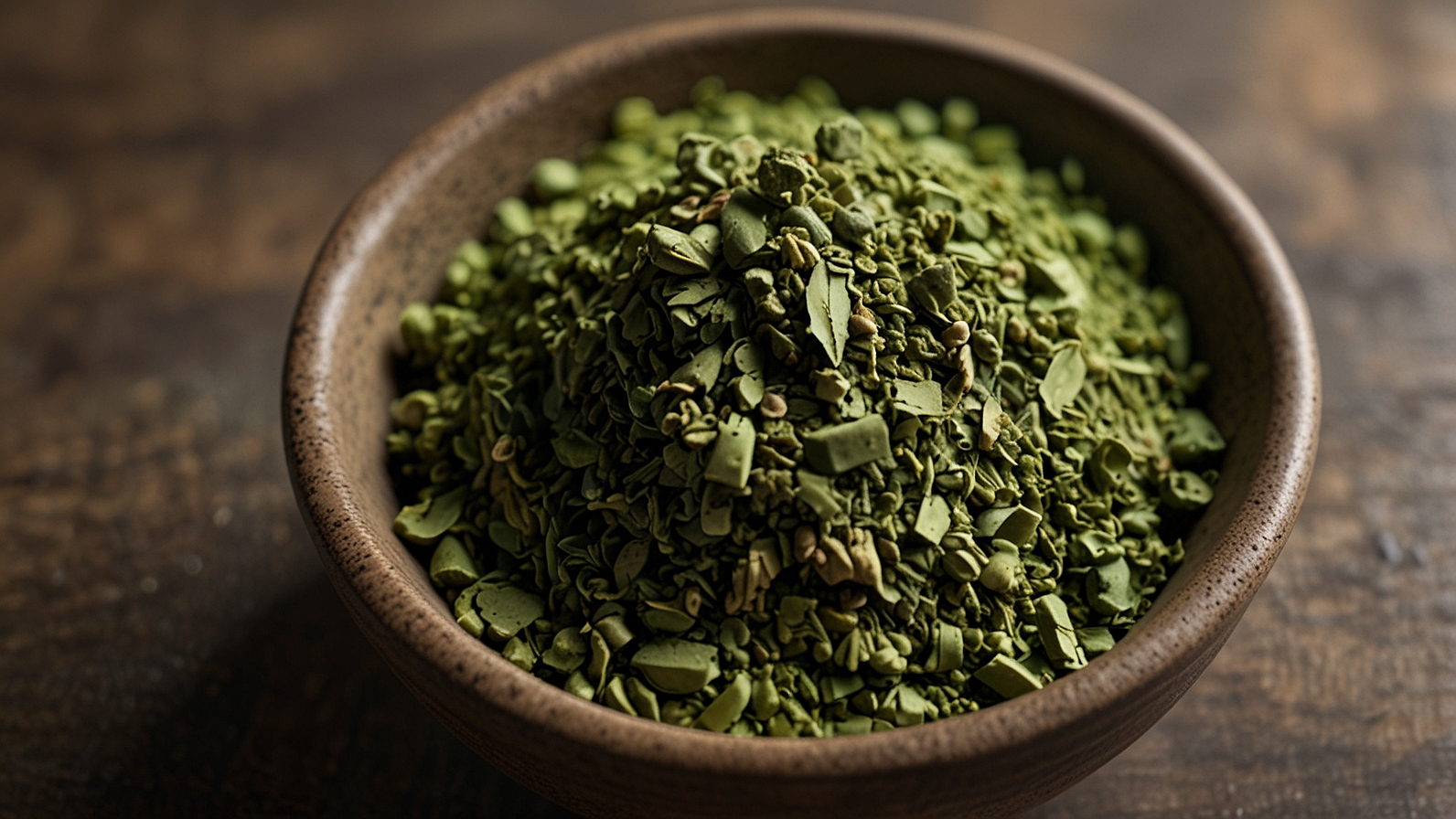
Have you ever opened a brand-new tin of matcha, full of anticipation, only to be met by a punch of sharp, almost grassy bitterness? It’s a common experience. But what if there was a way to soften that edge, to transform that vibrant powder into something richer, nuttier, and profoundly more drinkable? Enter the ancient practice of creating bin matcha—a deliberate aging process that tames the raw character of green tea, turning it into an incredibly versatile daily staple.
Imagine a fine wine. Right after bottling, it can be tight and tannic. But given time in a cellar, it relaxes, complexities emerge, and it becomes harmonious. Bin matcha undergoes a similar metamorphosis. It’s not old or stale matcha; it’s intentionally matured matcha, stored in sealed canisters (the “bins”) to allow its flavor profile to mellow and stabilize. This isn’t a modern hack; it’s a traditional technique that yields a tea perfect for our contemporary palates and uses, from a calm morning cup to a creamy latte. Let’s dive into the world of this uniquely processed tea.
What Exactly is Bin Matcha? Beyond the Basics
At its core, bin matcha is powdered green tea that has been intentionally stored after milling. The term “bin” refers to the storage container itself—often an airtight canister, known in Japanese as a chazutsu or natsume. This isn’t passive storage; it’s an active step in the tea’s journey from stone mill to your whisk.
The Core Philosophy: Mellowing, Not Maturing
Unlike pu-erh tea or some oolongs that are aged for decades to develop entirely new flavors, the goal with bin matcha is stabilization and mellowing. The process, which can last from a few weeks to several months, achieves several key things:
- Reduced Bitterness: The raw, astringent notes, often from younger tea leaves or the very nature of being freshly ground, soften significantly.
- Developed Complexity: As the sharp top notes fade, deeper, nuttier, and more earthy flavors come to the forefront.
- Preserved Vitality: Crucially, this is done while striving to maintain the tea’s vibrant color and aromatic qualities through controlled conditions.
Think of it as letting a freshly baked loaf of bread cool. Right out of the oven, the crust is almost aggressively sharp and the crumb is steaming and unstable. After resting, the flavors settle, the texture becomes perfect, and it’s ready to be enjoyed. Bin matcha is the “rested” version of green tea powder.
The Traditional Art and Science of Creating Bin Matcha
So, how does this magical transformation happen? It’s a blend of traditional wisdom and simple food science, all centered around one thing: controlled environment.
The Vessel: More Than Just a Container
The choice of container is paramount. Traditional producers use specially designed matcha canisters that are:
- Airtight: This is non-negotiable. Oxygen is the enemy of fresh matcha, causing oxidation that leads to dull color and loss of flavor.
- Opaque: Light degrades the delicate chlorophyll that gives matcha its brilliant green hue.
- Made of Neutral Materials: Tin-lined, ceramic, or high-quality food-grade stainless steel are preferred as they don’t impart any foreign flavors.
The Process: A Timeline of Transformation
While each producer has their own method, the general journey looks something like this:
- Milling: Tencha leaves (the shade-grown green tea leaves used for matcha) are stone-ground into a fine powder.
- Initial Sealing: The fresh, vibrant matcha is immediately sealed in its bin or canister.
- The Resting Period: The sealed bins are stored in a cool, dark, and humidity-controlled environment. Sometimes this is a refrigerated space, but more often it’s a dedicated, traditional storage room.
- Stabilization: Inside the bin, the matcha settles. The volatile compounds that contribute to sharpness and a “green” edge slowly dissipate or integrate. The powder’s moisture content equalizes, making it less clumpy and more stable.
- Quality Check: After the designated period, the tea master will open a bin to assess the color, aroma, and taste profile, ensuring it has reached the desired mellow state.
The result is a powder that has lost its rough edges but gained a rounded, comforting depth.
Why Choose Bin Matcha? The Unbeatable Benefits
You might be wondering why you wouldn’t just drink matcha at its freshest. For the pure, umami-rich experience of a ceremonial tea whisked in a bowl, ultra-freshness is indeed king. But for virtually everything else, bin matcha offers distinct advantages.
A Milder Flavor for Everyday Enjoyment
The most immediate benefit is the taste. The softened bitterness makes it far more approachable, especially for those new to matcha. It becomes a tea you can enjoy daily without your palate feeling assaulted. This mellow profile is why it’s often categorized as a premium culinary-grade or usucha (thin tea) matcha.
Superior Versatility in the Kitchen
This is where bin matcha truly shines. Its stable, rounded flavor profile makes it an ideal ingredient.
- Lattes: It blends beautifully with milk, both dairy and plant-based. The nutty notes complement the creamy sweetness, without being overshadowed by bitterness.
- Smoothies: It integrates seamlessly into fruit and vegetable smoothies without contributing a harsh, grassy tone.
- Baking and Cooking: When used in cookies, cakes, or sauces, its deep flavor holds up well to heat and doesn’t become unpleasantly bitter.
Enhanced Stability and Shelf Life
Because it has already gone through a controlled “settling” period, a properly stored bin of bin matcha often has better color and flavor retention over time compared to a super-fresh matcha that is highly reactive to its environment.
Bin Matcha vs. Fresh Matcha: A Quick-Reference Guide
| Feature | Bin Matcha (Mellowed) | Fresh Matcha (Unmellowed) |
|---|---|---|
| Flavor Profile | Nutty, earthy, creamy, rounded | Grassy, vegetal, sharply bitter, vibrant umami |
| Best Use Cases | Daily drinking, lattes, smoothies, baking, cooking | Traditional usucha (thin tea), koicha (thick tea), pure tasting |
| Color | Slightly deeper, less brilliant green | Vibrant, electric green |
| Aroma | Deep, roasted, with less “green” sharpness | Fresh, sweet, intensely vegetal |
| Price Point | Often more affordable for its grade | Ceremonial grades can be very expensive |
How to Store and Use Your Matcha Like a Pro
Whether you buy pre-mellowed bin matcha or want to experiment with storing your own, the principles of preservation are the same. Proper handling is what locks in that beautiful, mellow profile.
Your At-Home Storage Commandments:
- Keep it Airtight. The moment you open your matcha, the clock starts ticking. Always reseal the container tightly immediately after use.
- Keep it Cool and Dark. Store your matcha in a cool, dark cupboard, away from the stove, oven, or direct sunlight. For long-term storage, the refrigerator is an option, but the container must be perfectly airtight to prevent condensation and odor absorption.
- Use it Quickly. Once opened, try to consume your matcha within 4-6 weeks for optimal flavor. This is why smaller containers are often better.
Simple Ways to Enjoy Bin Matcha Today:
- The Simple Whisk: Simply whisk 1 tsp of bin matcha with 2oz of hot water (around 175°F or 80°C) for a smooth, less astringent daily cup.
- The Ultimate Matcha Latte: Whisk 1 tsp of matcha with a little hot water to form a paste. Add your steamed milk of choice and a touch of sweetener if desired.
- Matcha Smoothie: Blend 1 tsp of bin matcha with a frozen banana, a handful of spinach, and a cup of almond milk for a powerhouse breakfast.
- Matcha Energy Balls: Mix bin matcha into a blend of dates, nuts, and oats for a healthy, energizing snack.
Conclusion: Embrace the Mellow
Bin matcha is a testament to the fact that sometimes, the best things come to those who wait. It represents a beautiful intersection of tradition and modern utility, offering a gateway to the world of green tea that is less intimidating and more adaptable to our daily lives. By understanding the process and respecting the storage guidelines, you can unlock a world of flavor that is deep, comforting, and endlessly useful.
So, the next time you shop for matcha, consider seeking out this mellowed variety. Your lattes will be creamier, your daily cup smoother, and your culinary creations more balanced. It’s a small secret from traditional tea masters that can make a world of difference in your kitchen.
What will you try first with your bin matcha?
You May Also Like: Unlocking the Secret of Çeciir: More Than Just a Humble Chickpea
FAQs
Is bin matcha lower quality than fresh matcha?
Not at all. It’s a different processing step, not an indicator of low quality. High-quality tencha leaves are still used; the bin storage is an intentional choice to create a specific, mellow flavor profile ideal for daily drinking and cooking.
Can I create my own “bin matcha” at home?
Yes, you can approximate the process. Purchase fresh, high-quality culinary-grade matcha and store it in an impeccably airtight, opaque container in a cool, dark place for 4-8 weeks. Taste it periodically to see how the flavor evolves to your liking.
Does bin matcha have the same health benefits as fresh matcha?
The core antioxidants, like EGCG, and nutrients remain largely intact. The primary changes are to the volatile organic compounds that affect aroma and taste, so you still get the fantastic health benefits green tea is known for.
How can I tell if my matcha has been “bin stored”?
It can be difficult, but often the description from reputable sellers will use terms like “mellow,” “well-rounded,” “less astringent,” or “ideal for lattes.” The color may also be a slightly deeper, less neon green compared to a freshly milled ceremonial grade.
My bin matcha seems clumpy. Is it bad?
Not necessarily. Matcha is hygroscopic, meaning it absorbs moisture from the air. A few small clumps that easily break apart with a scoop are normal, especially if you live in a humid climate. If it’s one solid, hard brick, it may have been exposed to too much moisture and could be compromised.
What’s the difference between bin matcha and just “old” matcha?
The difference is control. Bin matcha is carefully stored from the moment it’s milled to prevent oxidation. “Old” matcha has typically been exposed to air, light, and heat in an uncontrolled way, leading to stale, dull, and flat flavors, often with a brownish tint.
Can I use bin matcha for a traditional Japanese tea ceremony?
Typically, no. The tea ceremony prioritizes the brightest, freshest, most umami-rich flavors of the highest-grade ceremonial matcha. The mellowed profile of bin matcha is not the desired characteristic for this specific, ritualized preparation.
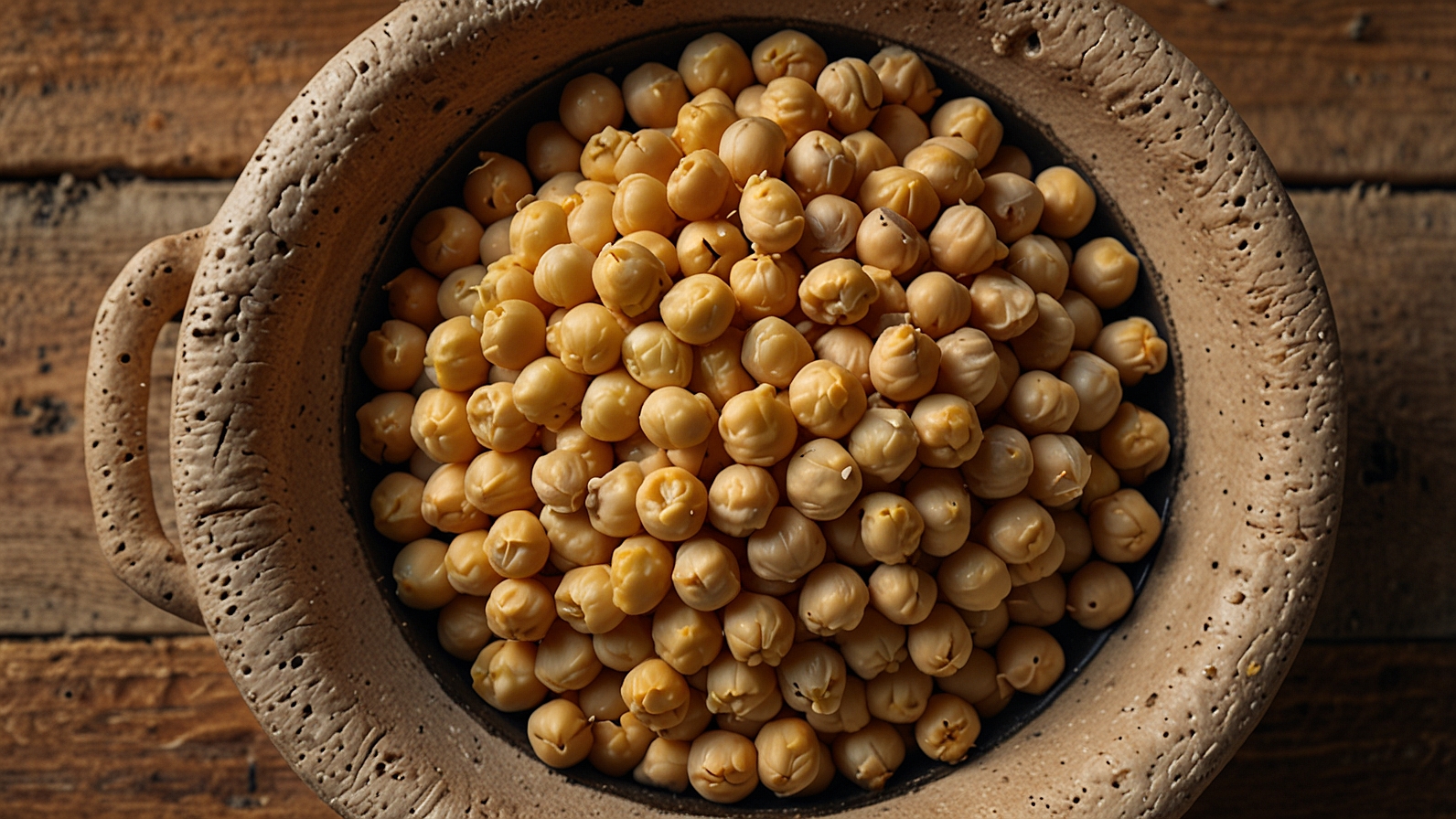
What if I told you that one of the world’s most ancient foods is also its most misunderstood? We walk past it in grocery stores, see it floating in our restaurant soups, and rarely give it a second thought. But from the sun-drenched hills of the Mediterranean to the bustling street markets of the Middle East, this little legume is a culinary chameleon. It’s the star of creamy dips, the heart of hearty stews, and the crunch in your favorite snack. It’s the chickpea, but when we talk about its transformation into something truly special, we’re talking about çeciir.
Pronounced “che-cheer,” this term isn’t just a fancy name for chickpeas. It embodies an entire food culture. Çeciir represents the countless traditional, nutritious, and deeply satisfying dishes where the chickpea is the undisputed hero. It’s the comfort of a warm bowl on a cold day and the refreshing zest in a summer salad. So, let’s pull back the curtain and explore why this simple ingredient deserves a standing ovation in your kitchen.
What Exactly is Çeciir?
Think of çeciir not as a single recipe, but as a celebration. It’s a positive, food-culture term that encompasses all the wonderful ways chickpeas are prepared across different regions. At its core, çeciir is any dish where the chickpea is the main attraction, celebrated for its versatility, nutrition, and deep-rooted tradition.
You’re probably already familiar with some forms of çeciir without even knowing it. That creamy, garlicky hummus you love? That’s çeciir. The robust and spicy chana masala from India? That’s çeciir, too. The crispy, pan-fried falafel from a Lebanese street vendor? You guessed it—another brilliant example of çeciir.
The magic of the chickpea lies in its two main personalities:
- The Creamy Dreamer: When boiled and blended, chickpeas become incredibly smooth and creamy, perfect for dips, spreads, and stews. They act as a fantastic thickener and a base for flavors.
- The Crispy Crusader: When roasted, fried, or pan-seared, chickpeas transform into a crunchy, protein-packed snack or a wonderful salad topper.
This duality is what makes çeciir so special. It can be the star of a healthy lunch, a hearty dinner, or a simple snack, all while packing a serious nutritional punch.
Why Your Diet is Begging for More Çeciir
Let’s get straight to the point: chickpeas are a nutritional powerhouse. Including çeciir in your weekly meal plan is one of the easiest and most delicious health upgrades you can make.
- Protein Powerhouse: For anyone cutting down on meat or exploring plant-based diets, chickpeas are a fantastic source of protein. A single cup provides about 15 grams, helping to keep you full and your muscles happy.
- Fiber Champion: They are loaded with dietary fiber, which is a superstar for your digestive system. Fiber helps keep things moving smoothly, supports gut health, and can aid in managing cholesterol levels.
- Vitamin & Mineral Vault: Chickpeas are rich in essential nutrients like folate for cell growth, iron for energy, phosphorus for strong bones, and B vitamins for brain function.
- Blood Sugar Balancer: Thanks to their combination of protein and fiber, chickpeas have a low glycemic index. This means they release energy slowly, preventing those nasty blood sugar spikes and crashes.
It’s no wonder that cultures known for their longevity, like those in the Mediterranean Blue Zones, have featured çeciir in their diets for centuries.
A Culinary Passport: The Many Faces of Çeciir Around the World
One of the most exciting things about çeciir is its global passport. Every region has put its own unique spin on the chickpea, creating a world of flavors to explore.
Getting Started with Global Çeciir Dishes
- The Mediterranean Classic: Hummus. This is arguably the most famous çeciir export. Creamy, blended chickpeas are mixed with tahini (sesame seed paste), lemon juice, garlic, and olive oil. It’s a dip, a spread, a sauce—it’s perfection in a bowl. Brands like Sabra and Athenos have made it a supermarket staple, but homemade is always a game-changer.
- The Middle Eastern Treasure: Falafel. These deep-fried balls or patties made from ground chickpeas (or fava beans) are crispy on the outside, fluffy on the inside, and bursting with herbs and spices. Served in a pita with salad and tahini sauce, it’s a iconic street food.
- The Indian Star: Chana Masala. A vibrant, aromatic stew where chickpeas are simmered in a rich tomato-based gravy with a symphony of spices like garam masala, turmeric, and cumin. It’s hearty, comforting, and a staple in North Indian cuisine.
- The Italian Surprise: Pasta e Ceci. This rustic soup is the definition of Italian comfort food. Chickpeas (known as ceci in Italian) are cooked with pasta, garlic, rosemary, and tomatoes in a light, brothy base. It’s simple, humble, and incredibly satisfying.
- The Spanish Delight: Cocido Madrileño. This is a substantial chickpea-based stew from Madrid. It’s a full meal in a pot, featuring chickpeas simmered with various meats, vegetables, and sausages.
Here’s a quick comparison of these global favorites:
| Dish | Region | Key Characteristics |
|---|---|---|
| Hummus | Middle East/Mediterranean | Creamy, savory dip/spread made from blended chickpeas. |
| Falafel | Middle East | Deep-fried, crispy balls of ground chickpeas and herbs. |
| Chana Masala | India | Spicy, aromatic chickpea stew in a tomato gravy. |
| Pasta e Ceci | Italy | Rustic, brothy soup with chickpeas and pasta. |
| Cocido Madrileño | Spain | Hearty, meat and chickpea stew. |
Your Kitchen, Your Rules: How to Make Çeciir at Home
The best part about çeciir? It’s incredibly easy to make at home. You don’t need to be a master chef to whip up something delicious. Let’s walk through the basics.
Top 3 Çeciir Tips for Beginners
- The Canned vs. Dried Debate.
This is the first question everyone has. Yes, using canned chickpeas is perfectly safe and a huge time-saver. Just be sure to rinse them thoroughly to remove the excess sodium from the canning liquid. However, if you have the time, cooking dried chickpeas from scratch is a revelation. They have a superior texture and a richer, nuttier flavor. Simply soak them overnight in plenty of water, then drain and simmer for 1-2 hours until tender. - Master the Simple Sauté.
For a quick and healthy side dish or salad topper, sautéed chickpeas are your best friend. Heat a tablespoon of olive oil in a pan, add a can of rinsed and dried chickpeas, and cook until they start to get slightly golden. Then, toss in your favorite spices—paprika, cumin, and a pinch of salt work wonders. Sauté for another minute until fragrant. It’s that easy! - Blend for Creaminess.
To achieve that beautifully smooth consistency for hummus or soups, you need to blend your chickpeas while they’re warm. Also, don’t throw away the liquid from the can (called aquafaba) or your cooking pot! This magical liquid is a fantastic natural thickener and can even be whipped into a foam like egg whites for vegan recipes.
A Simple Roadmap to Classic Hummus:
- In a food processor, combine 1 can of rinsed chickpeas (warmed slightly is best), 1/4 cup of tahini, the juice of one lemon, 1 small garlic clove, and a pinch of salt.
- Blend until it starts to come together. While the motor is running, slowly drizzle in 2-3 tablespoons of ice-cold water until the mixture becomes blindingly smooth and creamy.
- Taste and adjust the seasoning. Serve with a drizzle of olive oil and a sprinkle of paprika.
Wrapping Up Your Çeciir Adventure
From its incredible health benefits to its staggering global versatility, the world of çeciir is one worth exploring. It’s a testament to how a simple, wholesome ingredient can be the foundation of countless culinary masterpieces. It’s affordable, sustainable, and, most importantly, delicious.
5 Quick Takeaways to Bring Çeciir Home:
- It’s a Nutrient Powerhouse: Packed with plant-based protein, fiber, and essential vitamins.
- It’s a Global Citizen: From hummus to chana masala, every culture has a beloved chickpea dish.
- Start Simple: A pan of sautéed, spiced chickpeas is a perfect and easy first step.
- Don’t Fear the Can: Canned chickpeas are a perfectly valid and convenient option.
- Get Creative: Use chickpeas in salads, stews, snacks, and even desserts!
So, what are you waiting for? Grab a can of chickpeas on your next grocery run and try your hand at a new çeciir recipe. Your taste buds—and your body—will thank you.
What’s your favorite way to enjoy chickpeas? Share your go-to çeciir dish in the comments below!
FAQs
What does “çeciir” mean?
Çeciir is a term used to describe the culture and variety of dishes centered around chickpeas. It’s not one specific recipe but a category for nutritious, traditional chickpea-based foods from around the world.
Is çeciir the same as hummus?
Hummus is one very popular type of çeciir. Çeciir is the broader category that includes hummus, as well as other dishes like falafel, chana masala, and roasted chickpea snacks.
Are chickpeas good for weight loss?
Yes, when part of a balanced diet. Their high fiber and protein content helps you feel full for longer, which can reduce overall calorie intake. Just be mindful of added oils and salts in prepared dishes.
What’s the best way to get crispy roasted chickpeas?
The secret is to dry the chickpeas thoroughly after rinsing. Toss them with a little oil and your chosen spices, then spread them in a single layer on a baking sheet. Roast at 400°F (200°C) for 20-30 minutes, shaking the pan halfway through.
Can I use the liquid from a can of chickpeas?
Absolutely! This liquid, called aquafaba, is a fantastic vegan substitute for egg whites. You can whip it into stiff peaks to make meringues, mousses, or even use it as an egg binder in baking.
Do I have to soak dried chickpeas?
Soaking is highly recommended as it significantly reduces cooking time and makes them easier to digest. For a quick-soak method, cover them with water, boil for 2 minutes, then let them sit off the heat for one hour before cooking.
Why are my homemade hummus and falafel sometimes gritty?
For the smoothest hummus, you can try peeling the chickpeas by gently rubbing them in a kitchen towel—though it’s a tedious step! For falafel, the grit often comes from not grinding the soaked (but uncooked) chickpeas finely enough in the food processor.

Have you ever stumbled upon a natural ingredient that seems to be on the tip of every wellness influencer’s tongue, yet you can’t quite find the definitive scientific study to back it up? You’re not alone. In the vast and growing world of herbal supplements, new stars rise quickly, powered by compelling stories and plausible science, long before large-scale clinical trials can catch up. Lyposingrass is one such emerging name, quietly shifting from obscure botanical to a topic of keen interest for those seeking complementary wellness solutions. But what’s the real story beneath the surface?
This article will be your grounded guide. We’ll dig into what Lyposingrass is, how it theoretically works, its potential applications, and most importantly, how to navigate the exciting yet unproven landscape it inhabits.
Introduction to Lyposingrass: Nature’s New Candidate
Let’s be clear from the start: Lyposingrass isn’t a household name like Turmeric or Echinacea. Think of it less as a proven remedy and more as a promising candidate—a plant whose traditional use and modern mechanism-based research have sparked legitimate curiosity.
Derived from a specific genus of hardy, perennial grass found in several global regions, the supplement is typically harvested for its root and leaf extracts. These extracts are rich in a unique profile of bioactive compounds, including specialized polyphenols and antioxidants that aren’t common in other plants. Manufacturers and herbalists point to this unique chemical fingerprint as the source of its purported benefits.
It’s crucial to approach Lyposingrass with a balanced mindset: optimistic about its potential but pragmatic about the current state of evidence. It sits in that fascinating space between traditional wisdom and scientific validation.
How Does Lyposingrass Work? The Proposed Mechanism
Without overwhelming science jargon, let’s break down how Lyposingrass is proposed to function in the body. Imagine your body’s cells are like a busy factory. Over time, metabolic processes and environmental stressors create “exhaust,” or oxidative stress, which can gum up the works and slow down production.
This is where the compounds in Lyposingrass are believed to step in. Here’s a simple breakdown of its mechanism-based benefits:
- Cellular Shield: The primary proposed action is as a potent antioxidant. Its unique compounds are thought to neutralize free radicals, the unstable molecules that cause cellular damage, much like a specialized cleanup crew tackling factory exhaust.
- Metabolic Harmony: Some early, non-human research suggests certain compounds in the grass may interact with enzymes and pathways related to metabolic health, potentially helping the body’s natural rhythm process sugars and fats more efficiently. It’s not a stimulant; think of it more as a gentle tune-up rather than a complete engine overhaul.
- Inflammatory Response Modulation: Chronic, low-level inflammation is linked to numerous modern health challenges. Preliminary lab studies indicate that extracts of Lyposingrass may help support the body’s natural inflammatory response, helping to keep it balanced and appropriate.
It’s a compelling theory, and the mechanisms are biologically plausible. However, “plausible” is not synonymous with “proven in humans.” The leap from lab Petri dishes and animal models to complex human biology is a massive one.
Potential Real-World Applications and Uses
Given its proposed mechanisms, how are people actually using Lyposingrass? It’s primarily explored as a complementary wellness product for:
- Supporting Daily Vitality: Many users report taking it as a general adaptogen to help combat feelings of fatigue and support energy levels at a cellular level, not through caffeine-like stimulation.
- Antioxidant Boost: In a world full of environmental stressors, adding a powerful antioxidant to one’s regimen is a common goal for health-conscious individuals.
- Metabolic Wellness: Those interested in holistic approaches to weight management and blood sugar balance are particularly drawn to the preliminary findings surrounding Lyposingrass.
It’s vital to view these uses through the correct lens. These are potential benefits reported by manufacturers and early adopters, not guarantees or medical claims. The experience is highly individual.
Navigating the Evidence: Promise vs. Proof
This is the most critical section. Let’s be unequivocal: high-quality, product-specific human clinical trials for Lyposingrass are currently lacking. The evidence pyramid for any supplement looks like this:
As you can see, Lyposingrass currently resides strongly in the middle. There is a foundation of traditional use, a growing body of mechanistic studies (explaining how it could work), but a noticeable gap at the top—the randomized, double-blind, placebo-controlled human trials that are the gold standard of proof.
This doesn’t mean it doesn’t work; it simply means we must be honest about what we know and what we don’t. Always be skeptical of any vendor that presents this promising herb as a definitively proven miracle solution.
Key Considerations Before Trying Lyposingrass
If you’re intrigued and considering trying Lyposingrass, here’s a practical checklist:
- Consult Your Doctor: This is non-negotiable. Discuss any new supplement with your healthcare provider, especially if you have pre-existing conditions or are on medication.
- Quality is Key: The supplement industry is poorly regulated. Look for brands that practice third-party testing (from organizations like NSF International or USP) to verify purity, potency, and the absence of contaminants.
- Start Low and Go Slow: Begin with the lowest suggested dose to see how your body reacts before considering any increase.
- Manage Expectations: Approach it as an experiment in complementary wellness, not a guaranteed cure. Pay attention to subtle changes in how you feel over weeks, not days.
- Synergy Over Silver Bullets: The best approach to health is never one magic pill. Consider how Lyposingrass might fit into a broader picture of a balanced diet, regular exercise, and good sleep.
Conclusion: A Step Forward with Informed Curiosity
Lyposingrass represents a fascinating chapter in the ongoing story of natural wellness. Its mechanism-based benefits are certainly intriguing and provide a solid foundation for future research. For the informed consumer, it represents a potential tool for complementary health—one to be approached with curiosity, caution, and realistic expectations.
The journey of discovering new botanicals is exciting, but it’s a marathon, not a sprint. The key is to be an educated participant in your own health journey.
What aspect of Lyposingrass are you most curious about—its antioxidant potential or its role in metabolic harmony? Share your thoughts below!
You May Also Read: Your Topics | Multiple Stories: The Art of Crafting Compelling Content Universes
FAQs
Are there any known side effects of taking Lyposingrass?
Due to the lack of large-scale human studies, a comprehensive side effect profile isn’t established. Based on its use, it’s generally considered well-tolerated. However, some individuals might experience mild digestive upset. Always consult a doctor for personalized advice.
Can I take Lyposingrass with my other medications?
There is no documented data on drug interactions for Lyposingrass. However, because of its proposed metabolic activity, there is a theoretical potential for interaction with diabetes or blood-thinning medications. It is absolutely essential to discuss this with your physician before combining it with any prescription drugs.
How long does it take to feel the effects of Lyposingrass?
This varies greatly from person to person. Unlike stimulants, herbal supplements often work subtly and gradually over time. Some may report noticing changes in energy or well-being within a few weeks, while others may not perceive dramatic effects. Consistency is important.
Is Lyposingrass safe for pregnant or breastfeeding women?
Without any clinical safety data for this demographic, the default recommendation is to avoid using Lyposingrass during pregnancy or while breastfeeding. The safety of the unborn child or infant is paramount.
What’s the typical dosage for Lyposingrass supplements?
There is no universally agreed-upon dosage. Always follow the dosage instructions on the specific product you purchase, as potency can vary dramatically between extracts and brands. Starting at the lower end of the suggested range is always wise.
How does Lyposingrass differ from Wheatgrass or Barley Grass?
While they are all grasses, Lyposingrass is a distinct species with a different phytochemical profile. It is purported to have a unique set of active compounds not found in the same concentrations in common cereal grasses, which may be responsible for its specific proposed benefits.
Where can I find reliable brands that sell high-quality Lyposingrass?
Look for reputable health food stores or online retailers known for quality supplements. Prioritize companies that are transparent about their sourcing, use standardized extracts, and, most importantly, provide proof of third-party testing for purity and potency.

Guided Steroid Injections in Orange Park, FL: An Effective Solution for Chronic Pain

Virginia Beach, VA: A Comprehensive Guide to the Housing Market and Community Features

Enhancing Industrial Efficiency Through Analytical Systems Integration

Real Cricket 24 Review: Is This Your New Mobile Cricket Obsession?

9253612736: Is This Robocall Ringing You? A Guide to Take Back Control
-

 Home Improvement1 year ago
Easy Ways to Clean and Maintain Your Foam Play Mat
-

 Celebrity1 year ago
Who Is Andrew Santino Wife? The Full Story
-

 Tech1 year ago
Explore iZoneMedia360 .Com Features & Benefits
-

 Entertainment1 year ago
Remembering Melanie Olmstead Yellowstone’s Unsung Hero
-

 Uncategorized1 year ago
Prairie Dog Guide: Habitat, Behavior, and Conservation
-

 Celebrity1 year ago
A Deep Dive into Jeremy Allen White Movies and TV Shows
-

 Business1 year ago
How Influencersginewuld Shapes the Future of Branding
-

 Apps & Games1 year ago
The Pizza Edition Games: A Perfect Slice of Fun and Flavor