
Home Improvement
The Future of Roofing: Innovative Solutions and Technologies

Key Takeaways
- Understand the most recent advancements in roofing technologies.
- Learn how these innovative solutions can enhance the durability and efficiency of roofs.
- Discover methods for improving energy efficiency and sustainability in roofing.
- Explore real-world examples of successful roofing innovations.
- Identify key considerations when selecting the right roofing solutions for your needs.
Advancements in roofing technology are enhancing durability, energy efficiency, and sustainability. Modern solutions include solar-integrated roofs, superb roofing materials, and intelligent monitoring systems that improve performance and longevity. Eco-friendly materials and automation streamline maintenance while reducing environmental impact. These innovations provide cost-effective, resilient roofing options, shaping the future of construction with more innovative, more sustainable solutions.
The Driving Forces Behind Modern Roofing Innovations
Traditionally known for its steady and conservative approach, the roofing industry is experiencing a wave of innovation driven by the demand for sustainable, durable, and energy-efficient solutions. As environmental consciousness rises alongside technological advancements, roofing is not just adapting but leading the change. With the increasing prominence of structural monitoring building technologies, new standards are being set for maintaining and predicting the longevity of roofs. This synergy between evolving technologies and roofing opens new frontiers in how structures are designed, built, and maintained.
Structural monitoring is especially essential today, where urban areas are expanding rapidly. This technology allows for constantly assessing a roof’s performance and identifying vulnerabilities before they become significant issues. By integrating structural monitoring, buildings are better equipped to withstand environmental stresses and extend their service life, ultimately contributing to safer and more resilient urban environments.
New Materials Revolutionizing Roofing
Introducing cutting-edge materials such as solar shingles, cool roofs, and integrated skylights has transformed roofing from a mere structural necessity to a multifunctional asset. Solar shingles, for instance, blend seamlessly with traditional roofing materials while generating electricity, marking a significant leap in design and functionality. These materials enhance the aesthetic appeal and contribute significantly to energy savings and environmental sustainability. They are crafted to withstand extreme weather conditions, offering homeowners and businesses a robust defense against the elements.
Technological Advancements in Roof Installation
Thanks to technological advancements, roof installation methods have also evolved significantly. Using drones and AI-powered tools now allows for more precise measurements and detailed assessments, drastically reducing the chance of human error. These technologies improve safety by minimizing the need for risky manual inspections and allow for more efficient use of resources and time. Additionally, AI-driven systems can analyze weather and structural data to predict potential roofing issues, proactively suggesting maintenance and preventing costly damage.
Improving Energy Efficiency Through Roofing
Enhancing energy efficiency through roofing is an innovation and a necessity in today’s climate-conscious world. Solutions such as cool roofing technology use reflective materials to reduce heat absorption, keeping buildings cooler and decreasing reliance on air conditioning. This innovation is particularly beneficial in urban environments where the “heat island” effect can increase energy consumption. Improved insulation methods, such as spray-on polymers and recycled fibrous mats, also contribute to retaining warmth during cooler months, optimizing the building’s internal climate control systems and lowering energy costs.
Adopting Sustainable Practices in Roofing
Sustainability is now a core component of modern roofing practices. The use of eco-friendly materials like recycled rubber, metal, and organic substances is rising. Green roofs are a prime example, combining living plants with roofing systems to improve air quality, provide insulation, and reduce the urban heat effect. This practice supports biodiversity, creates visual appeal, and offers opportunities for urban gardening, bringing a slice of nature to dense cityscapes.
Case Studies: Success Stories in Modern Roofing
The effectiveness of innovative roofing solutions is demonstrated in various global examples. Chicago, known for its aggressive push towards sustainability, has implemented green roofs across its cityscape, leading to better management of stormwater runoff and significant reductions in energy consumption. Similarly, businesses investing in solar technology have reported saving notable amounts on energy bills. These examples prove that investing in modern roofing solutions is environmentally sound and economically advantageous.
Key Considerations for Choosing the Right Roofing Technology
Selecting the right roofing technology requires careful consideration of multiple factors, including geographic climate, budget, and architectural integrity. Each building presents unique challenges and opportunities, making it crucial to consult with roofing professionals who can tailor solutions to specific needs. Long-term benefits, including reduced energy costs and maintenance, should always be weighed against upfront expenses to make well-informed decisions that will stand the test of time.
Embracing the Future of Roofing
The future of roofing is rich with potential and promises to redefine traditional metrics of building efficiency and sustainability. As new technologies and materials emerge, residential and commercial property owners must stay engaged with these trends. By embracing these innovations, they ensure their properties are more sustainable and cost-effective and contribute to broader environmental goals, marking a significant step forward in responsible building design and management.

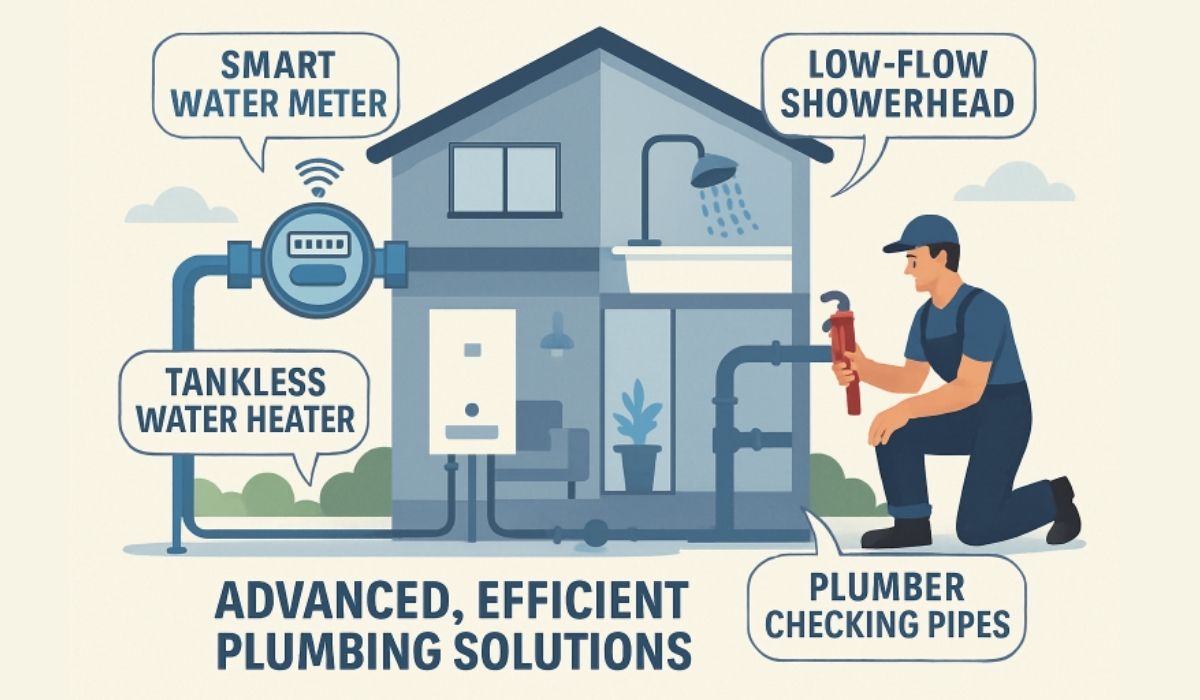
In today’s fast-paced world, modern plumbing solutions are transforming how homes function, blending technology and sustainability for optimal performance. These innovations not only help conserve water and energy resources but also reduce operating costs and extend the lifespan of household systems. Homeowners are increasingly turning to advanced plumbing features to create comfortable and environmentally conscious living spaces. If you’re looking to enhance your home’s efficiency or address plumbing concerns, connecting with a reliable plumber in your region is the best way to start.
From innovative plumbing technology to water-efficient fixtures, modern options are making it easier to monitor, control, and conserve vital resources at home. With so many innovative products on the market, it’s easier than ever to upgrade legacy systems for greater performance and peace of mind. As eco-friendly materials gain popularity, homeowners can adopt solutions that are both effective and sustainable.
Beyond personal savings, embracing advanced plumbing methods also supports broader environmental objectives, such as reducing urban water demand and lowering carbon emissions. Upgrading to intelligent, resource-conscious systems is a proactive step towards future-proofing properties. Whether you’re renovating or building new, working alongside skilled professionals in the industry ensures proper installation and maximum benefit from these upgrades.
For tailored expertise and prompt service, consider reaching out to local plumbers who are well-versed in regional building codes and the latest advancements in plumbing technology. Their experience enables them to recommend and install optimal solutions that match your home’s unique layout and needs.
Smart Plumbing Systems
Integrating innovative technology into home plumbing systems represents a significant leap forward in proactive water management. These innovative systems utilize Internet of Things (IoT) sensors to monitor water flow, detect anomalies, and alert homeowners to potential leaks in real-time. Remote access from mobile apps allows users to shut off the water supply instantly if an issue is detected, minimizing potential water damage. According to a recent review by The New York Times Wirecutter, smart leak detectors are among the most effective tools for preventing major disasters and keeping utility bills under control.
Eco-Friendly Fixtures and Materials
Sustainability is a prevailing theme in modern plumbing, with eco-friendly fixtures such as low-flow toilets and water-saving showerheads helping homes reduce unnecessary water usage. Contemporary faucets now feature aerators that maintain high water pressure while reducing the flow volume. Additionally, long-lasting materials such as PEX tubing are gaining popularity for their resistance to scale build-up and flexibility during installation—features that surpass those of legacy copper or PVC piping. These improvements not only reduce environmental impact but also drive cost efficiency for homeowners.
READ ALSO: PLG Supplies: The Secret Toolbox for Products That Sell Themselves
Tankless Water Heaters
Energy conservation takes center stage with tankless water heaters, which warm water only when it’s needed rather than maintaining a large hot water reservoir. This on-demand approach significantly minimizes standby energy loss. As highlighted by the U.S. Department of Energy, homes equipped with tankless models can achieve energy savings of up to 34% compared to conventional storage heaters. Their compact form factor also frees up valuable space in utility closets or basements, making them a perfect choice for modern, energy-conscious families.
Advanced Leak Detection Technologies
The cost and inconvenience of water damage can be substantial, with even small leaks causing long-term structural issues if unaddressed. New-age leak detection options now include ultrasonic sensors, advanced moisture detectors, and automated shut-off valves, all designed to react quickly to emerging problems. These systems can detect moisture behind walls or beneath floors—areas previously impossible to monitor effectively. Early intervention prevents more extensive repairs, helps conserve water, and maintains overall system health.
Regular Maintenance and Professional Services
Professional maintenance remains essential for maximizing the longevity and efficiency of modern plumbing technologies. Skilled plumbers offer comprehensive inspections, routine cleaning, pipe re-sealing, and fixture upgrades. Not only do these services catch potential problems early, but they also optimize water flow and pressure throughout the home. Homeowners are encouraged to partner with trusted service providers for regular checkups and advice on upgrading aging infrastructure. By doing so, you’ll ensure your system continues to meet today’s efficiency standards and delivers uninterrupted performance.
Embracing modern plumbing innovations allows homeowners to significantly improve comfort, efficiency, and long-term reliability within their homes. Advanced technologies, water-saving fixtures, durable materials, and innovative maintenance solutions work together to reduce waste, lower utility costs, and prevent unexpected repairs. These innovations also support environmental sustainability by conserving water and energy without sacrificing performance. By staying informed about the latest developments and partnering with skilled, experienced professionals, homeowners can make confident upgrades that enhance daily living. The result is an eco-friendly, cost-effective plumbing system designed to remain resilient and dependable for years to come.
YOU MAY ALSO LIKE: Simple Changes to Upgrade Your Home’s Plumbing System

Designing a sustainable living space requires thoughtful decisions that minimize energy use and environmental impact, while still prioritizing comfort and style. One of the most influential upgrades you can make is enhancing your window systems. By transitioning to eco-friendly window solutions, homeowners can increase energy efficiency, comfort, and even property value. For example, installing new Cape Cod windows can help dramatically reduce heating and cooling costs while also contributing to a healthier ecosystem.
Modern window technology promotes not only cost efficiency but also temperature control, reduced carbon footprint, and better indoor air quality. Properly chosen windows can minimize drafts and condensation, enhancing year-round comfort. Eco-friendly windows provide lasting benefits for homeowners and the environment, particularly in regions like Cape Cod where sustainable upgrades are on the rise due to stricter energy regulations. Innovations in window design, including natural light optimization and smart technology integration, present opportunities for sustainable living with well-insulated, responsibly sourced materials.
Energy-Efficient Glazing Options
Upgrading to high-performance glazing is a fundamental step toward sustainability for any home. Technologies such as double- and triple-glazing use two or three panes of glass separated by an inert gas, most often argon, to drastically reduce heat transfer. This means your home stays warmer in winter and cooler in summer, significantly reducing the load on your heating and cooling systems. Low-emissivity (Low-E) coatings are another key feature to look for. These microscopic metal layers reflect infrared energy (heat) back into the home during cold weather and out during warm spells. The result: better temperature regulation and significant savings on energy bills.
Sustainable Frame Materials
Eco-friendly window frames are crucial for both durability and sustainability, with several options available. FSC-Certified Wood offers natural insulation and classic aesthetics when sourced responsibly. Recycled Aluminum is lightweight, highly durable, and conserves resources because it is infinitely recyclable. Fiberglass, made from sand and recycled glass, offers resistance to warping and weather impacts. uPVC (Unplasticized Polyvinyl Chloride) is a rigid, energy-efficient plastic that is recyclable. Lastly, Composite Materials combine recycled wood and polymer to mimic wood’s look while requiring less maintenance and showcasing age-resistant qualities. All these materials enhance window longevity and promote environmentally responsible construction practices.
Smart Window Technologies
Intelligent window systems adapt in real time to environmental changes. Thermochromic glass, for example, automatically darkens as temperatures rise, reducing heat gain and lowering cooling needs. Electrochromic glass enables homeowners to alter window tint with the touch of a button, optimizing daylight and privacy at will. Not only do these innovations enhance daily comfort, but they also deliver tangible energy savings, reducing strain on your HVAC system and adding a modern touch to any home. Smart glass options are increasingly utilized in new construction and renovations for forward-thinking, sustainable design.
Maximizing Natural Light
Harnessing sunlight is one of the simplest, yet most effective ways to bolster energy efficiency. By carefully situating large windows and selecting designs that maximize light penetration, you can decrease reliance on artificial lighting and improve your mood and well-being. Skylights, transom windows, and tubular daylight devices provide additional avenues for channeling sunlight into darker interiors. Consider window orientation and shading options to maximize natural light without excessive heat gain. According to HomeLight, the boost from natural light extends beyond energy savings, with positive impacts on mental health and productivity, making it a priority in modern home design.
Importance of Proper Installation
No matter how advanced the product, a faulty installation can undermine even the best windows. Proper fitting ensures airtight seals, preventing drafts that drive up energy costs and degrade indoor comfort. Using qualified, experienced professionals is always recommended for accurate measurements, careful sealing, and robust weatherproofing. High-quality installation maximizes the return on investment by safeguarding window performance and longevity for years to come.
Maintenance Tips for Longevity
Routine care for windows is essential for maintaining their condition and ensuring optimal performance over the years. Key habits include gently cleaning glass and frames to eliminate dust, pollen, and debris; inspecting and renewing weatherstripping to ensure tight seals; and lubricating hinges, latches, and other hardware for smooth operation. Attending to these maintenance tasks not only enhances the aesthetics of your windows but also extends their energy efficiency and longevity.
Cost Considerations and Incentives
While sustainable windows often cost more initially, this investment pays off in numerous ways. Lower utility bills, increased comfort, and appreciation of property value quickly offset the upfront costs. There are also a number of local and federal incentives, tax credits, and rebate programs available to help cover installation or upgrade expenses. Homeowners can research eligibility for benefits through programs like ENERGY STAR®, which is known for endorsing energy-saving windows and providing up-to-date rebate information. Many state governments offer their own incentives to encourage homeowners to go green.
Conclusion
Embracing eco-friendly window solutions is one of the most effective steps you can take to enhance the sustainability, value, and comfort of your home. From selecting appropriately glazed glass to choosing sustainable frame materials and leveraging smart technologies, each decision adds efficiency and environmental integrity to your living space. Make sure to invest in professional installation and consistent maintenance to safeguard your upgrades. With each change, you contribute to a brighter, greener future for both your household and the wider community.
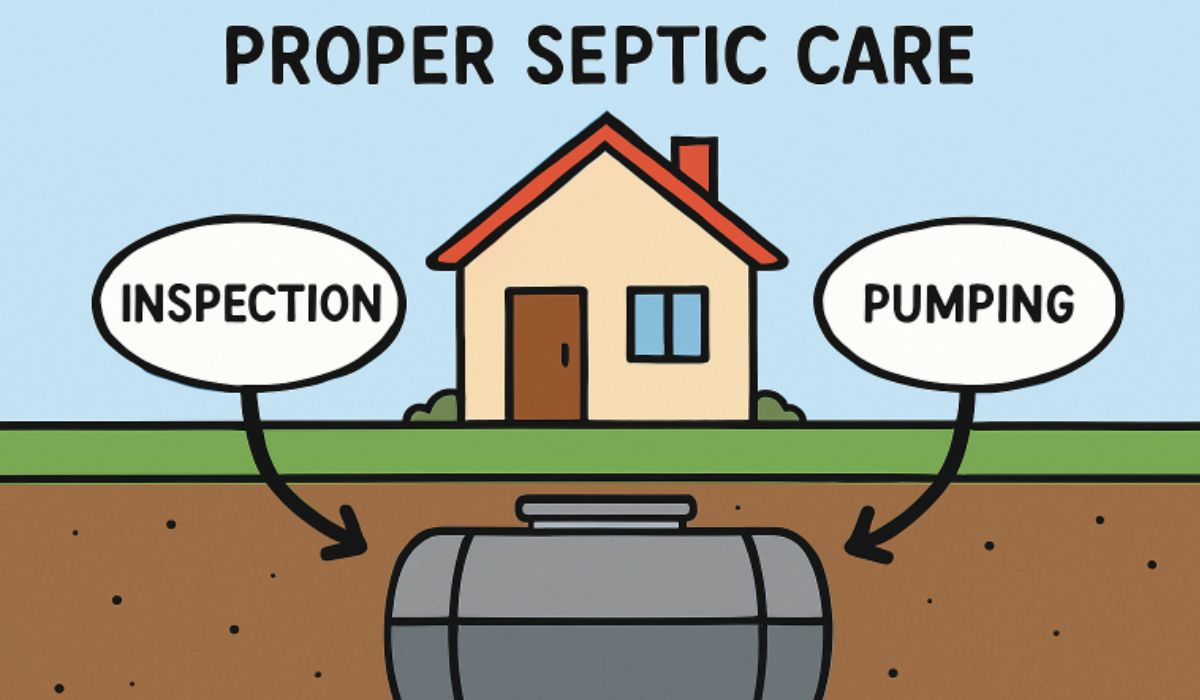
Table of Contents
- Preventing Costly Repairs
- Protecting Property Value
- Ensuring Health and Safety
- Extending System Lifespan
- Environmental Protection
- Water Conservation
- Best Practices for Maintenance
- Conclusion
Owning a home with a septic system comes with unique responsibilities. Regular maintenance is not just a recommendation—it’s essential for the smooth operation of your household, your family’s health, and the protection of your property investment. Homeowners in areas like Central Florida often search for trusted septic tank services Orlando, FL, to ensure their systems are functioning at peak performance. Proactive care is the key to preventing failures that could have serious consequences for both your wallet and your well-being. When you take the time to maintain your septic tank, you’re not just preventing costly disturbances to your routine. You’re making a commitment to environmental responsibility and to the long-term value of your property. By understanding what regular maintenance entails, you can avoid emergencies and costly repairs, foster a healthier home environment, and extend the life of your septic system.
Preventing Costly Repairs
Routine septic tank maintenance can save homeowners thousands of dollars in emergency repairs. According to the U.S. Environmental Protection Agency (EPA), septic tanks should be inspected by a professional every 3 years and pumped every 3 to 5 years, depending on household size and system usage. Neglecting these necessary steps can result in blockages, overflows, or total system failure—problems that frequently cost between $5,000 and $15,000 to fix.
Protecting Property Value
A functional and properly maintained septic system is an asset to your property value. Prospective buyers are vigilant about potential hidden problems. Providing maintenance records and a history of regular inspections offers peace of mind and enhances your home’s desirability should you choose to sell. On the other hand, a poorly maintained system can dramatically decrease your home’s value due to the high cost of repairs or replacement and the risk of future issues for new owners.
Ensuring Health and Safety
The safety of your family and neighbors relies on your septic system functioning properly. Faulty or overflowing tanks can leak untreated sewage into the yard and groundwater, exposing everyone to hazardous bacteria, viruses, and parasites. Symptoms of exposure can include gastrointestinal distress, rashes, and even more serious illnesses. Proper maintenance prevents this risk, keeping your family and local community safe. This is especially crucial for rural communities, where many rely on groundwater wells for their drinking water.
READ ALSO: The Versatility and Application of Tungsten Electrodes in Modern Industries
Extending System Lifespan
With consistent care, a septic system can function efficiently for decades. Over time, sludge naturally accumulates at the bottom of the tank, leading to blockages and placing undue strain on the entire system. Simple maintenance—removing built-up solids and inspecting for wear and tear—prevents excessive damage and extends the lifespan of the tank, drain field, and all internal components. This is a direct financial benefit, as a new septic installation is expensive and disruptive. Regular pumping, typically every three to five years depending on household size and usage, is essential to avoid costly repairs. Additionally, being mindful of what enters the system, avoiding grease, chemicals, and non-biodegradable items, helps maintain optimal function and prevents environmental contamination.
Environmental Protection
Well-maintained septic tanks protect more than just your family—they safeguard the broader environment. Septic failures release untreated wastewater containing nitrogen, phosphorus, and pathogens into the soil, harming plant and animal life while contaminating streams, rivers, and lakes. Responsible care keeps these pollutants contained and adequately treated, supporting the health of the entire ecosystem surrounding your home. According to the EPA, proper septic maintenance is one of the most effective ways homeowners can support local water quality.
Water Conservation
Water conservation not only reduces utility bills—it also helps your septic system perform optimally. Excessive water use can overload your tank, causing untreated wastewater to exit prematurely and overwhelm the drain field. Simple changes make a difference: repair leaks immediately, install low-flow toilets and showerheads, and spread laundry loads out.
Best Practices for Maintenance
- Have your septic system professionally inspected every three years.
- Pump your septic tank every three to five years, or as recommended by your local service professional.
- Dispose of non-biodegradable items, grease, and chemicals in the trash—not the drain.
- Practice water conservation to prevent overloading the system.
- Keep clear records of all septic system services and inspections for reference and real estate transactions.
Conclusion
Routine septic tank maintenance is a crucial part of homeownership. By investing a little time and diligence in scheduling professional inspections, pumping as needed, and adopting smart use habits, you will avoid expensive repairs, protect your property’s value, ensure your family’s health, and support your community’s environment. A well-cared-for septic system is a long-term asset—one that repays you with peace of mind and lasting, trouble-free service.
YOU MAY ALSO LIKE: Alumumin Tank RP-14-00065-D ROT-00313 Applications

Guided Steroid Injections in Orange Park, FL: An Effective Solution for Chronic Pain

Virginia Beach, VA: A Comprehensive Guide to the Housing Market and Community Features

Enhancing Industrial Efficiency Through Analytical Systems Integration

Real Cricket 24 Review: Is This Your New Mobile Cricket Obsession?

9253612736: Is This Robocall Ringing You? A Guide to Take Back Control
-

 Home Improvement1 year ago
Easy Ways to Clean and Maintain Your Foam Play Mat
-

 Celebrity1 year ago
Who Is Andrew Santino Wife? The Full Story
-

 Tech1 year ago
Explore iZoneMedia360 .Com Features & Benefits
-

 Entertainment1 year ago
Remembering Melanie Olmstead Yellowstone’s Unsung Hero
-

 Uncategorized1 year ago
Prairie Dog Guide: Habitat, Behavior, and Conservation
-

 Celebrity1 year ago
A Deep Dive into Jeremy Allen White Movies and TV Shows
-

 Business1 year ago
How Influencersginewuld Shapes the Future of Branding
-

 Apps & Games1 year ago
The Pizza Edition Games: A Perfect Slice of Fun and Flavor