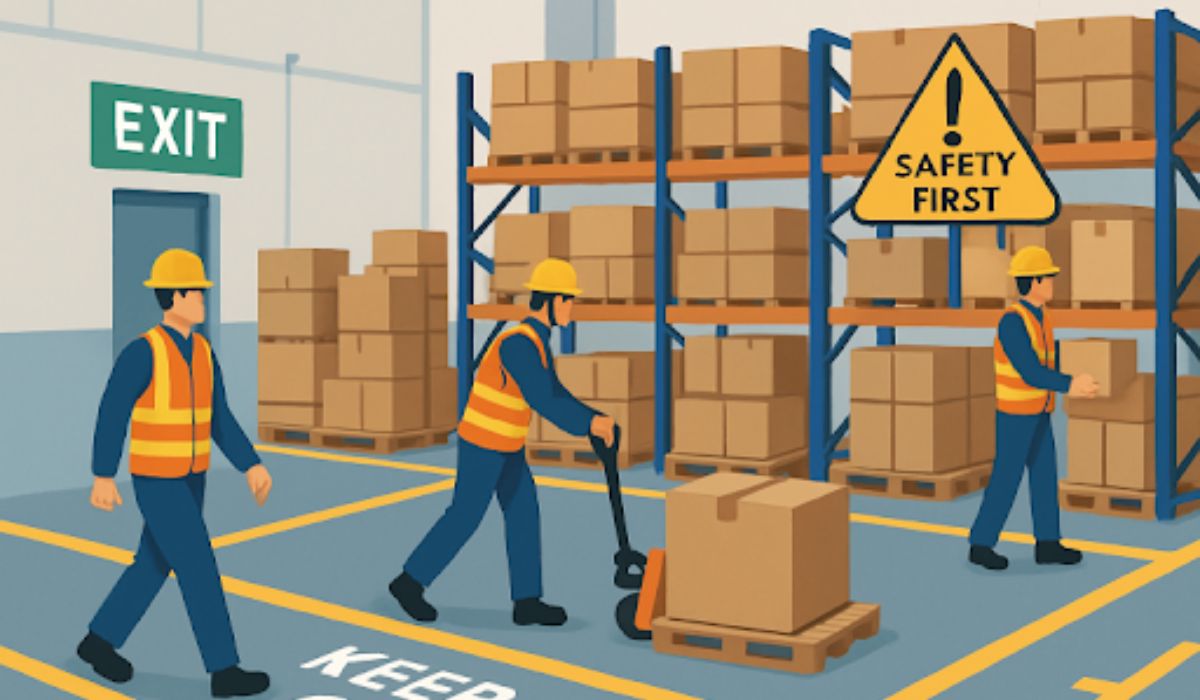
Ensuring a safe warehouse environment is a top priority for organizations of all sizes. Not only does safer material handling protect workers from harm, but it also contributes significantly to overall operational efficiency. Modern warehouses benefit immensely from integrating best practices and state-of-the-art equipment like small shock absorbing casters, which facilitate safe and smooth transport of goods while reducing injury risks.
With the constant movement of people, equipment, and inventory, warehouses can become high-risk spaces without adherence to established safety protocols. From minimizing injuries to preventing property damage, safer handling procedures lead to fewer workplace incidents and less downtime.
Establishing a proactive safety culture not only improves employee well-being but also increases productivity and morale. Every warehouse—no matter its size or purpose—benefits from regular evaluation and adoption of improved safety measures. A few key adjustments can have a measurable impact on daily operations.
Developing and maintaining a safe workplace requires buy-in from every staff member and continual reassessment of equipment, training programs, and housekeeping routines. Both leadership and frontline employees play critical roles in fostering a culture that values safety as a foundational value.
Comprehensive Employee Training
Continuous and comprehensive training is the foundation of any safe warehouse operation. Employees must be thoroughly educated on how to use equipment correctly, understand emergency protocols, and recognize everyday workplace hazards. Regular refresher courses ensure everyone stays up to date on the latest safety standards and procedures. According to the National Safety Council, ongoing training helps reduce workplace injuries by more than 20 percent, as workers gain the knowledge needed to handle unexpected situations quickly and safely.
Regular Equipment Maintenance
Equipment such as forklifts, pallet jacks, and conveyors sustain heavy use and must receive routine inspection and servicing. Implementing a strict maintenance schedule reduces the risk of mechanical failure that could put workers at risk. Fleet management software is a valuable tool for automating maintenance reminders, keeping all devices operating reliably. Prioritizing preventative care extends equipment lifespan and keeps operations running smoothly.
Ergonomic Material Handling
Ergonomics should be at the center of any material handling process. Poor lifting techniques and repetitive-motion injuries are among the most common causes of lost workdays. Integrating ergonomic solutions, such as adjustable-height work surfaces and carts equipped with well-engineered swivel casters, helps minimize physical strain on employees. Providing mechanical aids, such as lifts or hoists, allows workers to transport heavier items with less effort, significantly reducing injury risk.
Clear Communication Protocols
Reliable, real-time communication is essential to maintain situational awareness and instantly address potential safety threats. Mobile apps, walkie-talkies, and digital reporting systems empower workers to report hazards and near-misses immediately. Holding safety huddles at the beginning of each shift clarifies priorities and provides opportunities to share updates about new or evolving risks. Open communication also fosters a culture of reporting in which safety is everyone’s responsibility.
Proper Use of Personal Protective Equipment
Mandating the proper use of personal protective equipment (PPE) drastically reduces workplace injuries. Essential gear includes hard hats, safety glasses, high-visibility apparel, gloves, and steel-toe shoes. Supervisors should conduct regular PPE audits to ensure compliance and replace damaged or outdated gear. Proper fit and task-specific PPE are critical, as ill-fitting gear can reduce effectiveness and increase discomfort.
Housekeeping and Clutter Management
Maintaining a clutter-free warehouse is vital for reducing the risk of slips, trips, and falls. Scheduled daily cleaning helps prevent obstructions in pathways and keeps walkways clear. Warehouses should implement proper storage solutions for pallets, wrapping materials, and loose items. Encouraging staff to report unsafe conditions adds another layer of vigilance, ensuring that hazards are addressed promptly. The Centers for Disease Control and Prevention notes that improved housekeeping can reduce injury rates by up to 25 percent.
Safe Handling of Hazardous Materials
Workplaces that handle chemicals or flammable materials must follow rigorous handling protocols to prevent dangerous incidents. All chemicals should be labeled and stored in accordance with OSHA’s Hazard Communication Standard (HAZCOM). Employees must be trained to interpret Safety Data Sheets (SDS), and accessible spill kits should be maintained. Regular audits and drills prepare staff to react effectively in the event of spills or exposures, protecting both individuals and the facility as a whole.
Monitoring and Controlling Environmental Conditions
Environmental factors such as lighting, air quality, and temperature have ongoing impacts on warehouse safety. Adequate lighting, particularly in high-traffic and machine-operated areas, reduces error and incident rates. Air filtration systems and temperature monitoring equipment help maintain optimal working conditions, significantly improving worker performance and well-being. Adjustments should be made seasonally or as operational demands shift.
When warehouses integrate these best practices into their daily routines, they create safer working environments, reduce accidents, and improve operational productivity.
Conclusion
Creating a truly safe warehouse environment requires ongoing commitment, teamwork, and continuous improvement. From comprehensive employee training and equipment maintenance to ergonomic practices and environmental monitoring, each safety measure plays a vital role in protecting workers and sustaining operational efficiency. When organizations consistently prioritize these best practices, they not only reduce accidents and downtime but also foster a culture where safety, productivity, and employee well-being thrive together.