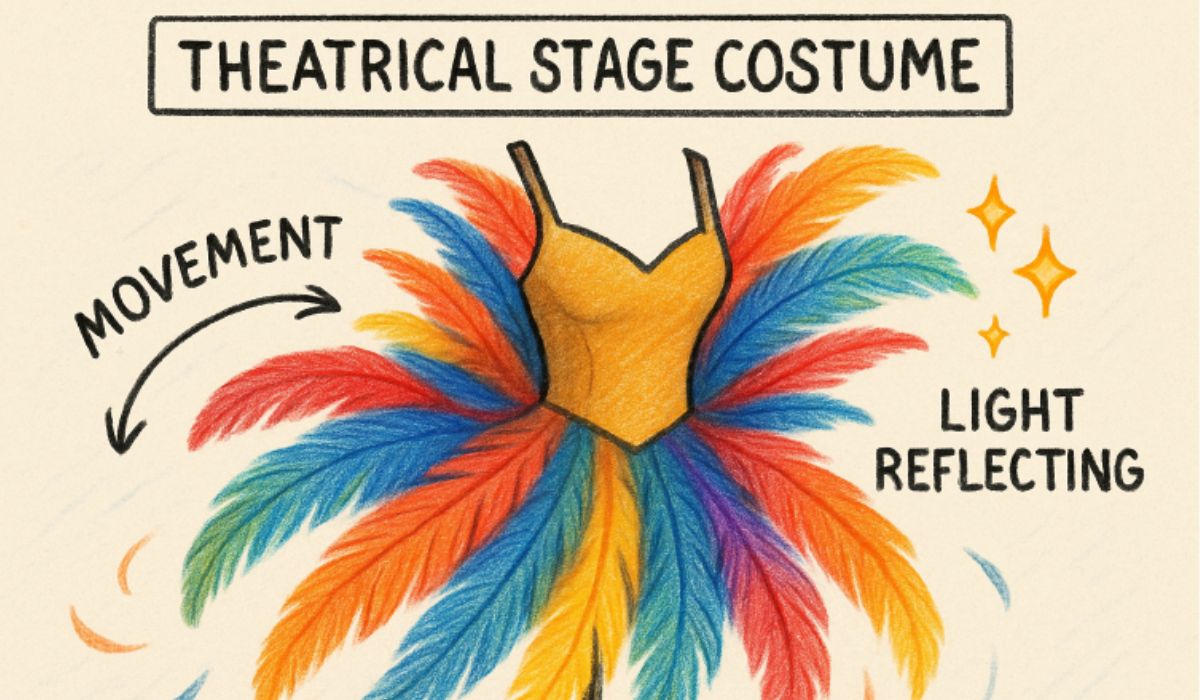
Designers utilize feathers to enhance costumes, creating dynamic visual effects that elevate storytelling and emotional impact during performances. The choice of feather types, reflecting sustainability and ethical sourcing, aligns with a cultural shift toward responsible fashion in the arts. Feathers also possess cultural significance, adding layers of meaning that connect performers and audiences beyond mere decoration, thus serving as powerful storytelling elements.
Feathers are a dynamic element in costume design, shaping the visual and symbolic language of performance arts across the globe. With their shimmering texture, natural iridescence, and mesmerizing motion, feathers help designers create unforgettable stage moments. Not only do they bring scenes to life visually, but feathers—such as rooster feathers—offer versatility in form, from dramatic fans and headdresses to subtle, intricate embellishments. This adaptability allows for costumes that respect tradition while embracing contemporary flair.
The Visual Impact of Feathers in Costumes
Feathers add texture, movement, and drama on stage, reflecting light and catching the audience’s eye. Costume artists use their aerodynamic and reflective qualities with ancient and modern techniques. Feathers like ostrich, marabou, and rooster are flexible and luminous, perfect for fans, capes, or headdresses that convey grace and motion. In fast dance styles, feathers produce rhythmic ripples, emphasizing beats and emotion. Their shapes can elongate a figure, imply flight, or mimic animals, engaging both sight and imagination.
Cultural Significance of Feathers in Performance
Feathers symbolize cultural meanings in global traditions. Indigenous ceremonies, like Apache rites, see feathers as symbols of ancestry, spiritual power, and status. Costumes with eagle or hawk feathers connect to the divine or nature. In Mesoamerican and African traditions, feathered attire signifies rank, heritage, or transitions between spiritual or communal states. Western stagecraft also uses feathers for status and spectacle; feathered masks in Venetian carnivals or plumed hats in Renaissance times reinforced societal roles and narrative. Modern costume designers incorporate these cultural symbols for authenticity and storytelling, evident in opera and musical theater.
Sustainability and Ethical Considerations
Sustainability is transforming the costume design industry, with the ethical sourcing of feathers becoming the new industry standard. Leading designers choose naturally molted or farmed feathers from humane sources. Synthetic and recycled feathers offer cruelty-free, realistic options. Large productions follow environmental guidelines to meet demand for responsible stagecraft. This trend is shown by the use of traceable materials and transparent supply chains, with theater companies sharing commitments to sustainability and encouraging audience awareness of costume ethics.
Design Techniques and Material Choices
Innovative costume design fuses traditional craftsmanship with modern engineering, utilizing natural feathers for authenticity in culturally significant pieces, while synthetic feathers provide durability and weather resistance. Designers commonly blend both types to meet practical and aesthetic needs. The layered construction of feathered costumes enhances depth and movement, with recent advances, such as laser-cut fabric and flexible adhesives, enabling complex 3D effects that surpass traditional techniques.
Modern Applications in Performance Arts
Feathers are still key in modern performance, from ballet like ‘Swan Lake’ to burlesque, Broadway, circus, and pop shows, creating spectacle and fantasy. Designers like Bob Mackie push boundaries with feathers in Vegas and TV. Collaborations now focus on using feathers’ movement—rustling and sweeping—to boost storytelling. Feather accessories and headpieces make a lasting impact and support sustainability through innovative design, shaping the future of live performances.
Conclusion
Feathers in costume design weave together visual excitement, cultural meaning, and responsible artistry. Their enduring role in performance arts reminds us that the materials we choose both reflect and shape the stories we tell. By combining creative vision with ethical consideration, today’s costume designers ensure that the expressive power of feathers continues to enchant, engage, and inspire audiences worldwide.
YOU MAY ALSO LIKE: Style on a Budget: How Xuebaotou.com Delivers Quality Shoes for Less