
How-to-Guides
Find Your Perfect Edgar Davids Nameset for That Iconic Jersey


Imagine digging through your closet and pulling out that classic, ribbed Juventus jersey from the late 90s. The fabric is perfect, the stripes are bold, but something’s missing. The back is tragically, hauntingly blank. It’s like a frame without the masterpiece. For any fan of the legendary, goggles-wearing midfielder, that masterpiece is, without a doubt, the iconic EDGAR DAVIDS NAMESET.
Getting your hands on the right nameset can feel like a treasure hunt. Is it authentic? Will it fit your vintage shirt? Fear not! This guide is your friendly map to navigating the world of Edgar Davids decals, ensuring your jersey gets the glorious, number-26-backed upgrade it deserves.
Why an Edgar Davids Nameset is a Must-Have
Before we dive into the “how,” let’s talk about the “why.” Edgar Davids wasn’t just a footballer; he was an icon. His tenacity, his vision, and those unmistakable protective goggles made him a global phenomenon. Customizing a jersey with his name is more than just a fan move; it’s a tribute to an era of pure, uncompromising football passion.
- Instant Authenticity: A blank jersey is cool. A jersey with a precise Edgar Davids nameset is a certified piece of football history.
- Restoration Magic: Got an old, slightly worn shirt? A new nameset can breathe fresh life into it, making it look match-day ready straight from the archives.
- The Ultimate Collector’s Item: For jersey collectors, accuracy is everything. The right nameset transforms a common shirt into a centerpiece of any collection.
Understanding the Different Types of Namesets
Not all namesets are created equal. Knowing what you’re buying is the first step to a successful customization. Think of it like buying a classic car part; you need the right fit and the right specs.
Authentic/Vintage vs. Modern Replica
This is the biggest divide. Authentic namesets are the real deal—either New Old Stock (NOS) from the time the jersey was produced or meticulously recreated by specialists using original materials and fonts. They are harder to find and more expensive, but they offer perfect historical accuracy.
Modern replicas, on the other hand, are newly made decals designed to look like the originals. They are more affordable and widely available. The key is finding a high-quality replica with the correct font, spacing, and material.
A Quick Comparison:
| Feature | Authentic/Vintage Nameset | High-Quality Replica Nameset |
|---|---|---|
| Material | Often heat-pressed vinyl or older style flocking; feels period-correct. | Typically modern, durable heat-transfer vinyl. |
| Accuracy | 100% perfect for the specific season and kit. | Very high, but minor variations can occur. |
| Price | Higher, due to rarity. | More affordable and accessible. |
| Availability | Limited, found on specialist sites or auction platforms. | Readily available from many online retailers. |
| Best For | The serious collector or restoration purist. | The fan who wants a fantastic-looking jersey without the hunt. |
Where to Find Your Edgar Davids Nameset
Fortunately, you don’t have to scour obscure Italian flea markets anymore. The internet is your best friend here.
- Specialist Retro Jersey Retailers: Websites that focus on classic football kits are your goldmine. They often carry both original and high-quality replica namesets. They understand the importance of accuracy.
- Online Marketplaces (e.g., eBay): A great place to find both new replicas and, if you’re lucky, original old stock. Always check seller reviews and ask for clear photos of the actual product.
- Customization Shops: Some physical and online stores that specialize in jersey printing can often source or create accurate namesets. It’s worth sending them an email with a photo of the jersey you want to customize.
The Top 3 Clubs for Your Davids Nameset
Davids played for some of Europe’s biggest clubs, and each jersey has its own unique charm. Here’s a breakdown of the most popular choices.
1. The Iconic: Juventus (1997-2004)
This is the one. The black and white stripes, the number 26. It’s simply iconic. When looking for a Juventus Edgar Davids nameset, pay close attention to the font. The Serie A font from that era is distinct, and the name should be in a classic, bold block capital style. This is the ultimate tribute to his glory years.
2. The Cult Classic: Ajax
Where it all began. An Ajax nameset, especially from his early or return years, is a symbol of pure Dutch talent. The font is usually a simple, red block capital on the famous white jersey. It’s a less common but deeply respected choice for true connoisseurs of the game.
3. The Adventurous Choice: FC Barcelona
His time at Barca was shorter, but no less memorable. A Davids nameset on the Blaugrana stripes is a statement piece. It represents a pivotal moment when his arrival helped salvage Barcelona’s season and secure a Champions League spot.
A Step-by-Step Guide to Applying Your Nameset
You’ve got the jersey and the nameset. Now for the scary part—applying it! Don’t worry, it’s straightforward if you’re careful.
- Gather Your Tools: You’ll need an iron (no steam!), a thin cloth (like a pillowcase or tea towel), a flat, hard surface (like an ironing board or a wooden board covered with a towel), and a ruler or tape measure.
- Position it Perfectly: This is the most crucial step. Place the jersey flat on the surface. Carefully position the nameset on the back. Use the ruler to ensure it’s centered horizontally and sits at the correct height between the shoulders and the bottom of the shirt. Tip: Use small pieces of masking tape to hold it in place without damaging the fabric.
- Cover and Press: Place the thin cloth over the nameset. This acts as a heat barrier and prevents the vinyl from melting directly onto your iron.
- Apply Heat: Set your iron to a medium-high heat (check the nameset instructions if provided). Press down firmly on the covered nameset for 10-15 seconds. Don’t glide the iron around; just press.
- Work in Sections: For a long name like “DAVIDS,” work methodically. Press the ‘D,’ then the ‘A,’ and so on, ensuring each letter gets firm, even heat.
- Let it Cool: Once you’ve pressed the entire nameset, carefully peel off the masking tape and let the jersey cool completely before moving it.
- The Final Press: After it’s cool, flip the jersey inside out and place it on the ironing board so the nameset is facing down on the surface. Iron the back of the nameset area for another 10-15 seconds. This helps bond the adhesive from both sides for a longer-lasting hold.
5 Quick Takeaways for Your Davids Jersey Project
- Research is Key: Before buying, find photos of the original jersey from the season you love to ensure font and color accuracy.
- When in Doubt, Go Flock: If you have the option, flocked (felt-like) namesets often look and feel more authentic for older jerseys.
- Ask the Seller: Don’t be shy! Good sellers will happily provide measurements and detail the material of the nameset.
- Patience with Application: Rushing the ironing process is the number one cause of crooked namesets. Take your time with positioning.
- Wash with Care: Always turn the jersey inside out and wash it in cold water to protect your new nameset for years to come.
Finding and applying the perfect Edgar Davids nameset is a rewarding project that connects you directly to football history. It’s a simple act that completes a story. So, which legendary Davids jersey will you bring back to life? Share your project or your favorite Davids memory in the comments below!
You May Also Read: Who is Mariano Iduba? The Emerging Visionary You Should Know
FAQs
How can I tell if an Edgar Davids nameset is authentic?
Look for sellers with proven reputations in vintage kits. Authentic sets may have slight imperfections or aging, and the seller should be able to specify the exact season and manufacturer it corresponds to.
Will a replica nameset look cheap on my vintage jersey?
Not if you buy from a reputable source. High-quality replicas use accurate fonts and materials. From a few feet away, a good replica is virtually indistinguishable from an original.
What’s the difference between a “nameset” and just getting a name printed?
“Nameset” usually refers to a pre-cut, individual letters and numbers made from vinyl or flock material. “Printing” is often a direct-to-garment process that lays down ink. Namesets are generally more durable and authentic-looking for vintage recreations.
I have a modern Juventus jersey. Can I put a classic Davids nameset on it?
You can, but it won’t be historically accurate. Purists prefer to match the nameset era with the jersey era. However, it’s your jersey, so you can customize it however you like!
What if I mess up the application?
It’s tricky to fix. The best approach is prevention. If it’s slightly crooked, you might have to live with it. If it’s a major error, carefully reheating the vinyl with an iron might allow you to gently peel it off, but this risks damaging both the nameset and the jersey fabric.
Are there specific namesets for goalkeeper jerseys?
For outfield players like Davids, no. The namesets are standard. Goalkeeper jerseys from that era sometimes had different font colors or styles, but that doesn’t apply here.
Where is the hardest place to find a Davids nameset?
Namesets from his spells at smaller clubs like Crystal Palace or Barnet are much rarer than for his time at Juventus or Ajax, requiring a deeper and more patient search.

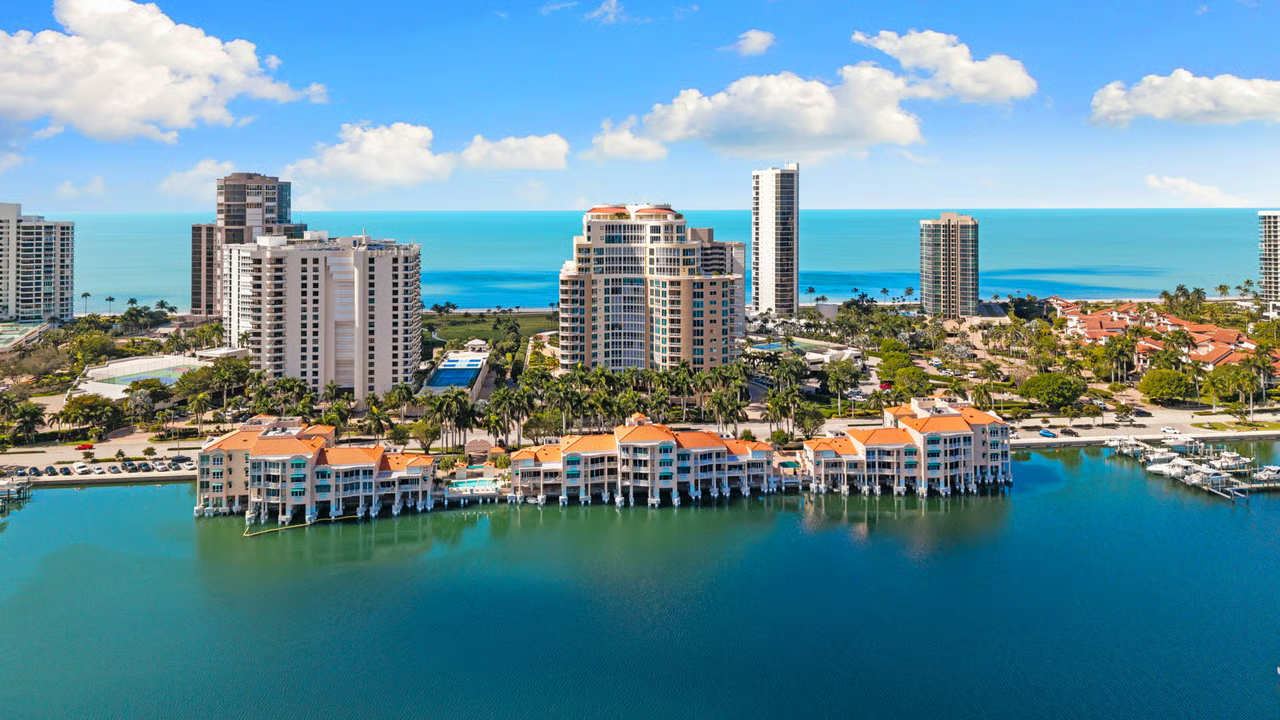
Moving to Naples, Florida, offers a unique blend of sun-soaked beaches, upscale amenities, and a vibrant community. To ensure a seamless transition, it’s essential to understand various aspects of life in this coastal paradise. Partnering with experienced professionals, such as Naples FL real estate agents Laurel McGarel Group, can provide invaluable insights into the local real estate market. The Laurel McGarel Group focuses on luxury real estate throughout Naples and Southwest Florida, drawing on extensive local market knowledge and experience with high-end residential properties. The team works with buyers and sellers across a variety of transactions, providing guidance that reflects current market conditions and the unique characteristics of the region’s luxury housing market.
Understanding the Cost of Living
Naples boasts a high quality of life, which comes with a corresponding cost. Housing prices are notably above the national average, with median home prices ranging from $600,000 to $700,000. However, Florida’s absence of state income tax can offset some expenses. It’s essential to budget for property taxes, insurance, and maintenance to avoid surprises. For a detailed breakdown, refer to this comprehensive guide.
Other everyday costs, such as groceries, utilities, and transportation, are also slightly higher than state and national averages. The city offers plenty of options for different budgets, but planning for these costs is crucial for a comfortable transition. Many residents find that the long-term tax savings, along with access to exceptional amenities, provide excellent value overall. Additionally, if you are relocating from a high-tax state, you may find that Florida’s overall cost structure, even with premium real estate, offers long-term savings and attractive financial benefits.
Choosing the Right Neighborhood
Naples comprises diverse communities, each offering unique lifestyles:
- Old Naples: A walkable area with historic charm and proximity to the beach.
- Park Shore and Vanderbilt: Beachfront locales with luxury residences.
- Gated Golf Communities: Inland neighborhoods featuring golf courses and resort-style amenities.
- Condo Communities: Maintenance-free living options ideal for seasonal residents.
Exploring these neighborhoods will help you find a perfect fit for your lifestyle. More insights are available in this relocation guide.
When choosing a neighborhood, consider factors such as proximity to work or school, access to parks and recreational spaces, and the social atmosphere you prefer. Many communities in Naples are known for active homeowners’ associations and community events, making it easy to get involved. Condominium associations may offer amenities such as fitness centers, pools, and social clubs, which can enhance your living experience, especially if you’re seeking low-maintenance living or a tight-knit community feel. Some neighborhoods also offer boating access or private beach clubs, appealing to water enthusiasts and those wanting resort-style luxury at home.
Employment Opportunities
While Naples is renowned for its retirement appeal, it also offers employment opportunities, particularly in the tourism and hospitality sectors. The healthcare industry is robust, with facilities such as NCH Healthcare System and Physicians Regional Healthcare System offering numerous positions. Remote work is also popular, thanks to the city’s reliable infrastructure.
In addition to healthcare and hospitality, financial services and real estate remain prominent industries in Naples. There are also many opportunities for entrepreneurs and small business owners, as the local economy encourages innovation and growth. Professional networking groups, business associations, and seasonal job fairs are common and help newcomers integrate into the job market. With a continual influx of new residents, services catering to home improvement, wellness, and recreation are also in demand, generating entrepreneurial possibilities.
Educational Institutions
For families, Naples provides access to quality education. Collier County Public Schools is an A-rated district, serving approximately 48,000 students. Additionally, numerous private and faith-based schools cater to diverse educational preferences.
Families relocating to Naples will find a wide selection of educational resources, including Montessori, preparatory, and international schools. Advanced placement and gifted programs, as well as strong athletic and arts offerings, are available in many public and private institutions. Higher education opportunities also exist, with Florida Gulf Coast University and Hodges University nearby, as well as community colleges serving adult learners and offering workforce development programs. These factors make Naples an appealing destination for professionals and families alike.
Healthcare Facilities
Naples is well-equipped with healthcare services. The NCH Healthcare System operates two hospital campuses, and the Physicians Regional Healthcare System has two campuses as well. These facilities offer a wide range of specialties, ensuring residents have access to comprehensive medical care.
Additionally, Naples features numerous specialty clinics, family practices, and urgent care centers throughout the area, offering everything from primary care to state-of-the-art cardiac and orthopedic services. There are also many wellness centers, pharmacies, and senior care services, reflecting the city’s commitment to supporting an active, healthy population. Comprehensive healthcare options allow both retirees and families peace of mind regarding medical needs.
Transportation and Accessibility
Several airports serve Naples:
- Southwest Florida International Airport (RSW): Located about 45 minutes north, offering numerous domestic and international flights.
- Naples Airport (APF): In-town airport catering to private and charter flights.
- Punta Gorda Airport (PGD): Approximately an hour north, providing low-cost carrier services.
Within the city, having a personal vehicle is beneficial due to limited public transportation options.
While public transit is limited, Naples is well-maintained for drivers, with convenient access to I-75 and US-41. Dedicated bike lanes and walking paths let you enjoy the city’s scenic views on foot or by bike, especially in central neighborhoods. Ride-sharing services like Uber and Lyft operate in the area, providing flexible transportation for those who prefer not to drive. Naples’s infrastructure also supports electric vehicles, with charging stations becoming increasingly available in public and private locations.
Embracing the Lifestyle
Naples offers a plethora of recreational activities:
- Beaches: Pristine white-sand beaches like Vanderbilt Beach and Clam Pass Park.
- Golf: Over 80 championship golf courses catering to all skill levels.
- Arts and Culture: A vibrant arts scene with galleries, theaters, and music venues.
- Dining: A diverse culinary landscape featuring both casual and fine dining options.
Engaging in these activities will help you integrate into the community and enjoy the Naples lifestyle.
Local parks and nature preserves, such as Corkscrew Swamp Sanctuary and Naples Botanical Garden, invite residents to connect with nature and enjoy the mild year-round climate. The city hosts numerous festivals and farmers’ markets, fostering a strong community spirit. Water sports, such as boating, paddleboarding, and fishing, are favorite pastimes, with easy access to the Gulf of Mexico and dozens of inland waterways. Whether your passion is fitness, creativity, outdoor adventures, or social gatherings, Naples offers abundant opportunities for personal enrichment and relaxation.
Partnering with Local Real Estate Experts
To navigate the Naples real estate market effectively, consider collaborating with experienced professionals. The Laurel McGarel Group, a team of dedicated Naples, FL, real estate agents, offers in-depth local market knowledge and personalized service. Led by top-producing, award-winning real estate professional Laurel McGarel, the group specializes in luxury properties across Naples and Southwest Florida, providing clients with a white-glove approach and results-driven mindset. Their expertise can help you find a home that aligns with your preferences and needs.
Leveraging the expertise of experienced agents can also provide access to exclusive listings, early insights about properties coming to market, and assistance with negotiations and inspections. Understanding the nuances of Naples’s micro-markets, such as waterfront lots, gated communities, or new construction, can save time, reduce stress, and ultimately lead to a more successful purchase. Real estate agents offer valuable guidance on local regulations, association rules, and transitioning utilities, ensuring every detail of your move is accounted for. Partnering with trusted professionals turns relocating into an exciting journey of discovery and opportunity in one of Florida’s premier destinations.
By considering these factors and leveraging local resources, your move to Naples can be both smooth and rewarding.

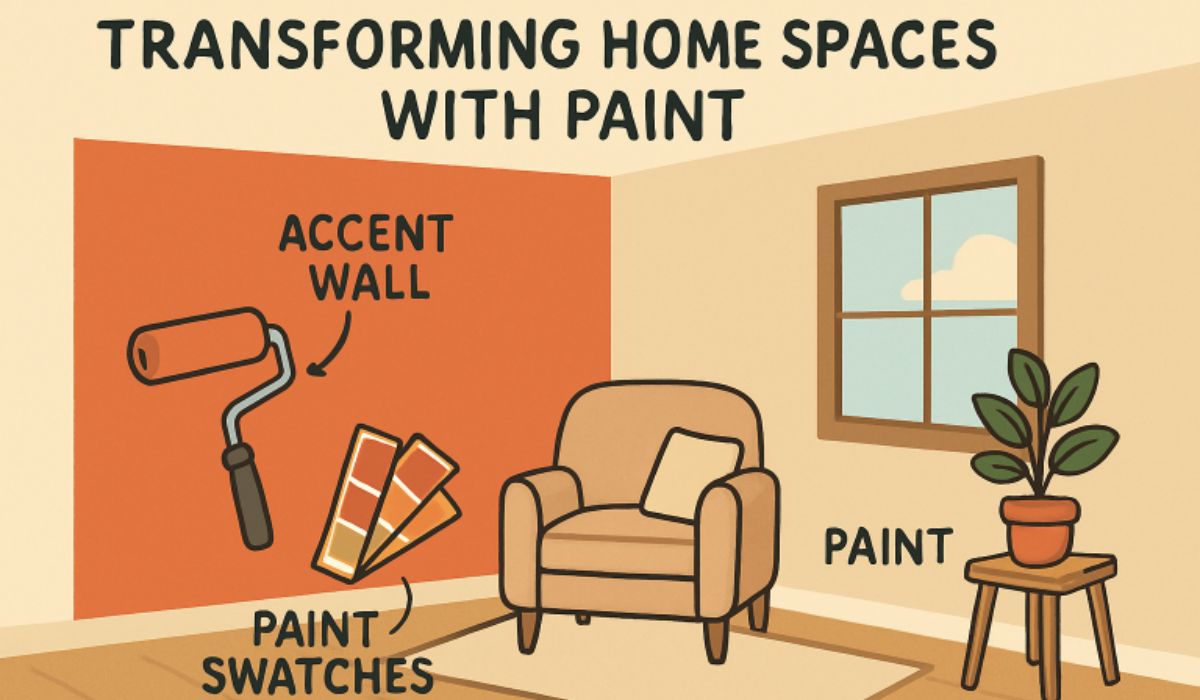
Why Paint Matters for Home Transformation
Refreshing your home with paint isn’t just about color—it’s about making spaces feel new, welcoming, and reflective of your style. A professional paint job can enhance property value, make small rooms appear larger, and create the desired ambiance. Experts say a well-done paint job is a cost-effective upgrade. For reliable, innovative house painting in Louisville, hiring skilled professionals guarantees impressive results and lasting quality. Whether tackling a single accent wall or a whole-house transformation, house painting Louisville services deliver expertise, beautiful finishes, and peace of mind throughout the process. Professional painters also provide valuable advice on color selection and maintenance, helping homeowners achieve their desired aesthetic. Using high-quality materials and modern techniques, they ensure durability and a flawless appearance. Hiring experienced painters for your project can significantly enhance the value and curb appeal of your property.
Current Color Trends and Inspiration
Modern paint color trends continue to evolve, drawing inspiration from a range of sources, including calming natural palettes and dramatic, personality-rich hues. In 2025, homeowners are gravitating toward warm earth tones, tranquil greens, and bold, deep blues. These colors evoke comfort and relaxation—an especially welcome effect as more people continue spending time at home. Leading designers recommend consulting curated online resources and design publications for inspiration, such as this Architectural Digest feature on trending colors. Choosing a new palette is also an opportunity to reflect the changing seasons or personal milestones, keeping your home feeling fresh and vibrant throughout the year.
Choosing the Right Type of Paint for Each Room
The secret to a perfect paint transformation lies in more than just picking a stylish shade. Each room presents unique needs—kitchens and bathrooms require moisture-resistant, durable finishes, while living rooms and bedrooms can shine with softer, light-reflecting sheens. Semi-gloss is ideal for high-traffic zones and easy cleaning. Matte and eggshell finishes work wonders for concealing imperfections on walls, and specialty zero-VOC or low-VOC paints ensure healthier indoor air, particularly beneficial for children and individuals with allergies. Taking time to match paint formulations to the function and exposure of each room ensures both beauty and longevity.
Accent Walls and Focal Points: Simple Ways to Make Rooms Pop
One of the simplest yet most effective techniques to energize a room is the use of an accent wall. By painting a single wall or architectural feature—such as fireplaces, built-in bookcases, or even ceilings—homeowners can create instant drama and visual interest without overwhelming a space. Recent years have seen a surge in creative patterns with stencils, chevron stripes, geometric blocks, and mural effects. The key to success lies in balancing bold choices with the overall palette of the room and letting art or furniture serve as complementary accents. Coordinated decor and strategic color placement bring the whole look together.
Interior vs. Exterior Painting: Unique Challenges and Tips
Painting interior and exterior surfaces presents unique considerations for each. For the outdoors, weather durability is paramount—quality exterior paints, thorough surface cleaning, and meticulous priming keep façades looking sharp through sun, rain, and temperature swings. Safety comes first, too, with secure ladders and protective equipment. Indoors, painting is all about finesse: careful taping, dust control, and attention to detail around trim and corners comprise the difference between amateur and professional results. Across both areas, well-prepped surfaces set the foundation for a smooth, enduring finish, as recommended in Better Homes & Gardens’ top painting tips.
Eco-Friendly and Health-Conscious Options
With growing awareness about the health and environmental impacts of building materials, eco-friendly paint options have become more accessible and effective. Many leading paint brands now offer formulations that are low in volatile organic compounds (VOCs), thereby significantly reducing toxic emissions and odors. These innovations not only make for a safer home, especially for individuals with sensitive health conditions, but also help guard against environmental harm. According to the U.S. EPA’s Safer Choice program, choosing paints certified for fewer hazardous chemicals supports both family health and sustainability goals.
When to DIY and When to Hire a Professional
While painting a room may seem straightforward, achieving flawless coverage, crisp edges, and long-lasting results is often a matter of skill and the right technique. For smaller areas, basic touch-ups, or for those with experience, DIY painting can be a rewarding and budget-friendly option. However, more complex projects—such as multi-story exteriors, high ceilings, intricate trim, or surfaces requiring special preparation—are best left to qualified professionals. Hiring experts saves time, reduces stress, and typically provides warranties that protect your investment.
How to Maintain Beautiful Painted Surfaces
Maintaining fresh, vibrant painted finishes requires only minimal regular care. Gently clean walls annually with mild soap and a damp sponge. Promptly address stains or nicks, and devote special attention to high-traffic zones, which may require fresh coats every three to five years to maintain their best appearance. Regularly inspecting and touching up painted exteriors helps prevent peeling and extends the life of your investment, ensuring your home’s curb appeal and interior beauty for years to come.
YOU MAY ALSO LIKE: How m0therearf Redefines Smart Homes

Picture this: you’re in the middle of dinner, your phone buzzes with an unknown number—9253612736. You hesitate for a second, thinking it could be the doctor’s office or your kid’s school, but answer to hear only a robotic pause followed by a prerecorded pitch. Sound familiar? You’re not alone. Millions of Americans face this daily nuisance, turning our most personal devices into portals for spam. Today, we’re diving deep into what to do when numbers like 9253612736 appear on your caller ID, transforming frustration into actionable defense.
The Unwanted Guest: Understanding Robocalls Like 9253612736
Robocalls are the digital era’s telemarketers, but without the human courtesy. They use automated dialing systems to blast out thousands of calls per hour. The number 9253612736 has been flagged by numerous users as a source of such calls. These aren’t just annoying; they’re often gateways to scams aiming to steal personal information or money.
Why do they keep calling? It’s simple math for scammers. If they call 10,000 people and only 1% fall for their scheme, that’s 100 victims. They often use a tactic called “neighbor spoofing,” where they manipulate caller ID to show a number with your local area code, making you more likely to pick up. A number like 9253612736 might be spoofed, meaning the real caller is hiding behind it.
Your First Line of Defense: Don’t Answer and Don’t Engage
Your instinct might be to answer and tell them to stop, or to call back out of curiosity. Resist both urges.
- Do Not Answer: If you don’t recognize the number, let it go to voicemail. A legitimate caller will leave a message. Robocalls, especially from numbers like 9253612736, often hang up after a ring or two (a “wangiri” scam) or play a recording the moment you say “hello.”
- Never Call Back: Calling back an unverified number can lead to two bad outcomes. First, you confirm your number is active, putting you on a “sucker list” for more scams. Second, you might connect to a premium-rate line, leading to shocking charges on your bill.
Think of it like a doorbell. If you don’t know who’s there and they look suspicious, you wouldn’t swing the door wide open. Your phone is the same.
Taking Control: How to Block and Report the Number
Once you’ve identified a repeat offender, it’s time to take proactive steps. Here’s a clear, step-by-step approach.
Block the Number on Your Device:
This is your immediate, personal fix. The process is similar across most smartphones:
- On iPhone: Go to your recent calls, tap the (i) icon next to the number, scroll down, and select “Block this Caller.”
- On Android: Open your Phone app, tap the three dots or “Details” next to the number, and select “Block number.”
Report the Activity to the Authorities:
Blocking is good, but reporting helps fight the problem at a systemic level. It’s like reporting a pothole; it helps get it fixed for everyone.
- Federal Trade Commission (FTC): The primary consumer protection agency. You can report unwanted calls at donotcall.gov.
- Federal Communications Commission (FCC): The telecom regulator. They take complaints about spoofing and robocalls at fcc.gov/complaints.
- Your Phone Carrier: Major carriers like Verizon, AT&T, and T-Mobile have free tools and apps (like Call Filter, Call Protect, or Scam Shield) that can automatically identify and block likely fraud. Contact them and ask about your options.
Chart: The most common types of spam calls reported in 2023 show warranty scams, impersonator scams, and debt reduction offers lead the pack. Numbers like 9253612736 often fall into these categories.
Fortifying Your Digital Perimeter: Proactive Protection Tips
Reactive blocking is essential, but let’s build a stronger wall. Here are three actionable tips you can implement today.
- Enroll in the National Do Not Call Registry. It’s free at donotcall.gov. While it won’t stop illegal scammers, it will stop legitimate telemarketers, significantly reducing your overall call volume.
- Use Your Carrier’s Built-in Tools. As mentioned, these are often the most effective free filters. Spend 10 minutes today exploring your account settings or calling customer service to activate every layer of protection they offer.
- Consider a Third-Party App. For heavy spam targets, apps like Nomorobo, Hiya, or RoboKiller act as powerful spam filters for your phone. They use community reports and advanced algorithms to screen calls before they ever ring.
Busting Myths: What You Think You Know About Robocalls
Let’s clear up some common confusion.
- Myth: “If I press ‘9’ to be removed, they’ll stop.” Reality: This is a classic trick. It signals that your number is active and manned by a person, making you a prime target for more calls.
- Myth: “These calls are always from overseas.” Reality: While many operations are international, the scams themselves can be run from anywhere. The technology makes location irrelevant.
- Myth: “I have nothing they want, so I’m safe.” Reality: Even confirming your name or voice can be used in “voice phishing” or to build profiles for more targeted attacks later.
A Real-World Case: How “Startup ABC” (Almost) Got Scammed
Take the story of a small business we’ll call “Startup ABC.” The office manager received a call from a number similar to 9253612736, claiming to be from their internet provider demanding immediate payment to avoid service shutdown. Flustered and under pressure, they almost provided a credit card number. Luckily, they hung up, called the provider’s official number from their bill, and confirmed it was a scam. This “imposter” scam is one of the most prevalent and damaging, often using spoofed numbers to create false urgency.
Conclusion and Your 3-Step Action Plan
Dealing with numbers like 9253612736 is about reclaiming your peace. You don’t have to feel helpless every time your phone rings.
Here is your 3-step action plan to try today:
- Screen: Let all unknown calls go to voicemail. Period.
- Block: Immediately block any number that leaves a robocall or scam message.
- Report: File a quick report with the FTC and notify your carrier. It takes two minutes and helps the community.
By combining awareness with these simple tools, you can drastically cut down on digital noise and protect your personal space. Have you had a run-in with this number or similar scams? What strategies have worked for you? Share your thoughts and experiences below—let’s help each other stay safe!
You May Also Like: Midco Webmail Login: Your Gateway to Secure Email Access
FAQs
I already answered a call from 9253612736. What should I do now?
Don’t panic. Just hang up immediately if you haven’t already. Do not press any buttons or provide any information. Be extra vigilant for follow-up calls or phishing attempts via text or email, and consider enabling your carrier’ scam blocking if you haven’t.
Could 9253612736 be a legitimate number?
While possible, the overwhelming volume of user reports labeling it as a spam/robocall number makes it highly suspect. The safest practice is to treat it as unverified and avoid engagement. Legitimate callers will leave a clear voicemail.
Are there specific scams associated with this number?
Based on user reports, calls from this number often involve prerecorded messages about auto warranties, debt consolidation, or fake IRS/SSA threats. These are all hallmark signs of widespread phishing and impostor scams.
How effective is the National Do Not Call Registry against these calls?
It is very effective against legal telemarketers. However, illegal scam operations blatantly ignore the registry. Enrolling is a crucial first step, but it must be combined with blocking and reporting for illegal robocalls.
What’s the difference between reporting to my carrier and reporting to the FTC?
Reporting to your carrier helps improve their network-level blocking algorithms for all their customers. Reporting to the FTC helps federal investigators track, identify, and potentially prosecute large-scale illegal operations. Both are valuable.
If I block the number, will they just call from a different one?
Often, yes. Scammers use number spoofing, so blocking one number is a tactical move. The strategic solution is using carrier-level tools and apps that analyze call patterns to block large clusters of spam, even from new numbers.
Is it worth paying for a robocall blocking app?
For most people, free solutions (carrier tools, Do Not Call list) provide significant relief. If you receive an extreme volume of spam calls, a paid app can offer more robust features and customization, which may be worth the investment for your peace of mind.
Relocating to Naples, Florida: A Comprehensive Guide

Lessons in Leadership: Learning from the Automotive Industry’s Visionary Innovators

Top 5 Met Tower Installation Companies in 2026: Ensuring Accurate Wind Resource Assessment

The Ultimate Guide to Group Transportation Solutions

NBA 2K22 Clippers Dorna Enhances Realism
-

 Home Improvement1 year ago
Easy Ways to Clean and Maintain Your Foam Play Mat
-

 Celebrity2 years ago
Who Is Andrew Santino Wife? The Full Story
-

 Tech2 years ago
Explore iZoneMedia360 .Com Features & Benefits
-

 Entertainment2 years ago
Remembering Melanie Olmstead Yellowstone’s Unsung Hero
-

 Uncategorized2 years ago
Prairie Dog Guide: Habitat, Behavior, and Conservation
-

 Celebrity2 years ago
A Deep Dive into Jeremy Allen White Movies and TV Shows
-

 Business2 years ago
How Influencersginewuld Shapes the Future of Branding
-

 Apps & Games2 years ago
The Pizza Edition Games: A Perfect Slice of Fun and Flavor